MH-6682Retail Media & Commerce
Retailers Raise Prices 10-20% Before Holiday Sales, Researcher Says
Retailers hike prices 10-20% before holiday sales, then deepen discounts, says Binghamton's Jintao Zhang — and shoppers rarely remember the original price.
Wire notes
- Retailers raise prices 10-20% a month or two before holiday sales, per Binghamton University's Jintao Zhang.
- Tensile pricing on a single product type reduces customer trust and repeat website visits, Zhang's research found.
- "Three for $3" outperforms "buy two, get one free" even with identical savings, according to his research.
- Red prices act as a stop sign, making shoppers ignore other deals and perceive the store as discount-free.
- Waiting one or two days after carting an item online can trigger a coupon, Zhang says.
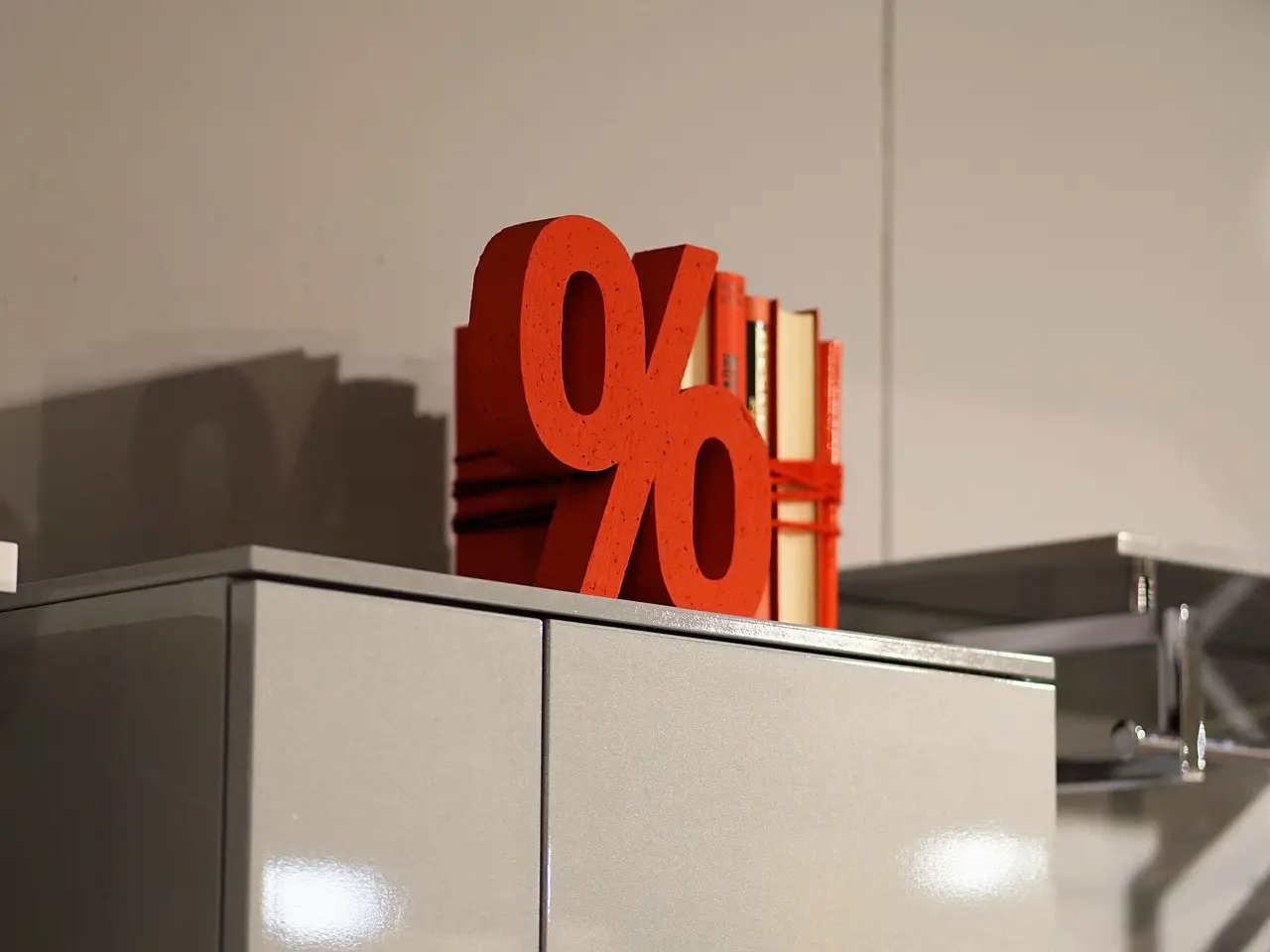
Retailers routinely raise prices by 10% to 20% a month or two before holiday sales, then deepen the discount, according to Jintao Zhang, assistant professor of marketing at Binghamton University. His claim frames the core question of the season: are holiday deals really deals?
Zhang studies how consumers respond to pricing information and digital marketing cues. In an interview with Binghamton University, he said genuine deals exist, but retailers exploit a simple blind spot: shoppers don't remember past prices.
"Consumers focus only on the nominal value of a discount — that it's 50% off or $40 off — and not on the difference between the original price and the sale price," Zhang said.
His advice: start tracking prices one to two months before Black Friday. Document the regular price, catch the increase, and don't fall into what he calls the retailers' trap.
Why holiday discounts hit harder
Holiday shopping has become a tradition, Zhang said. Years of promotion have trained shoppers to expect the biggest discounts during the holidays, which pulls purchases away from regular sales the rest of the year. If someone craves a deeper discount, they're more likely to buy during the holiday window.
What is tensile pricing — and when does it backfire?
Zhang's current research examines "tensile pricing": ads like "Save up to $20" or "Save up to 40% on the whole site." He expects it everywhere in Black Friday sales.
His recent findings cut two ways:
- Pairing tensile pricing with a large variety of products works well for retailers.
- Attaching it to a single product type — even one product in different colors — damages trust and makes customers less likely to revisit the website.
Retailers save web space with the single-product approach, Zhang said, but they pay for it in loyalty.
Do strikethrough prices and BOGO offers work?
A separate study by Zhang looked at strikethrough pricing — the crossed-out original price next to the sale price. It found shoppers are less likely to buy, because the presentation makes it harder to process the discount. "Simply adding a strikethrough line on the original price will reduce the ease of that process," he said.
Buy-one-get-one-free promotions underperform too. In Zhang's research, a straightforward price offer beat BOGO even with identical savings. His example: if juice costs $1.50 a bottle, "three for $3" performs better than "buy two, get one free." It's easier for consumers to process.
Why red prices can hurt the whole store
Red sale signs are everywhere in December, but Zhang's research found a red price among other prices acts as a "stop sign" in shoppers' minds. People fixate on that single deal, stop scanning the rest, and end up perceiving the store as offering no discounts at all. That hurts overall business.
Online vs. in-store: does crowding change what we pay?
Behavior has shifted heavily toward online shopping since COVID, Zhang said. In person, shoppers can touch products, but crowd density changes decisions: in a crowded environment, perceived quality drops and people pay higher prices because they think the product is high quality. Zhang's explanation — crowded shoppers have fewer mental resources to evaluate anything.
One move that beats the retailers
Zhang's closing advice is blunt: think twice, because the feeling of getting a good deal is often the trap itself. "We need to calm down before making a real purchase," he said.
He also flagged one tactic shoppers can use against retailers. Put an item in the online shopping cart without checking out, then wait one or two days — a coupon may arrive, and the deal gets better.
via digitalinformationworld.com (Source)
More from James Calloway
Show full bio
Market editor covering technology and product news in marketing, advertising, marketing technology, media, SEO and search at Marketing Herald.
355 articles