Voices 2026 Experts Demand Safer Handling of Biometric Data
Experts at Voices 2026 called for alternatives to facial recognition access, minimum security standards and stronger consumer defenses as criminals sell access to leaked data for CPF scams.
Wire notes
- Voices 2026 panelists Patricia Peck, Celina Bottino and Renato Cunha discussed biometric collection, consumer rights and digital fraud.
- Brazil's LGPD treats biometric data linked to a person as sensitive personal data.
- LGPD Article 46 requires technical and administrative measures against data loss and unauthorized access.
- Criminals charge other fraudsters monthly fees for access to systems that query leaked data.
- Patricia Peck says the ANPD must specify practical minimum security requirements for devices and data-processing flows.
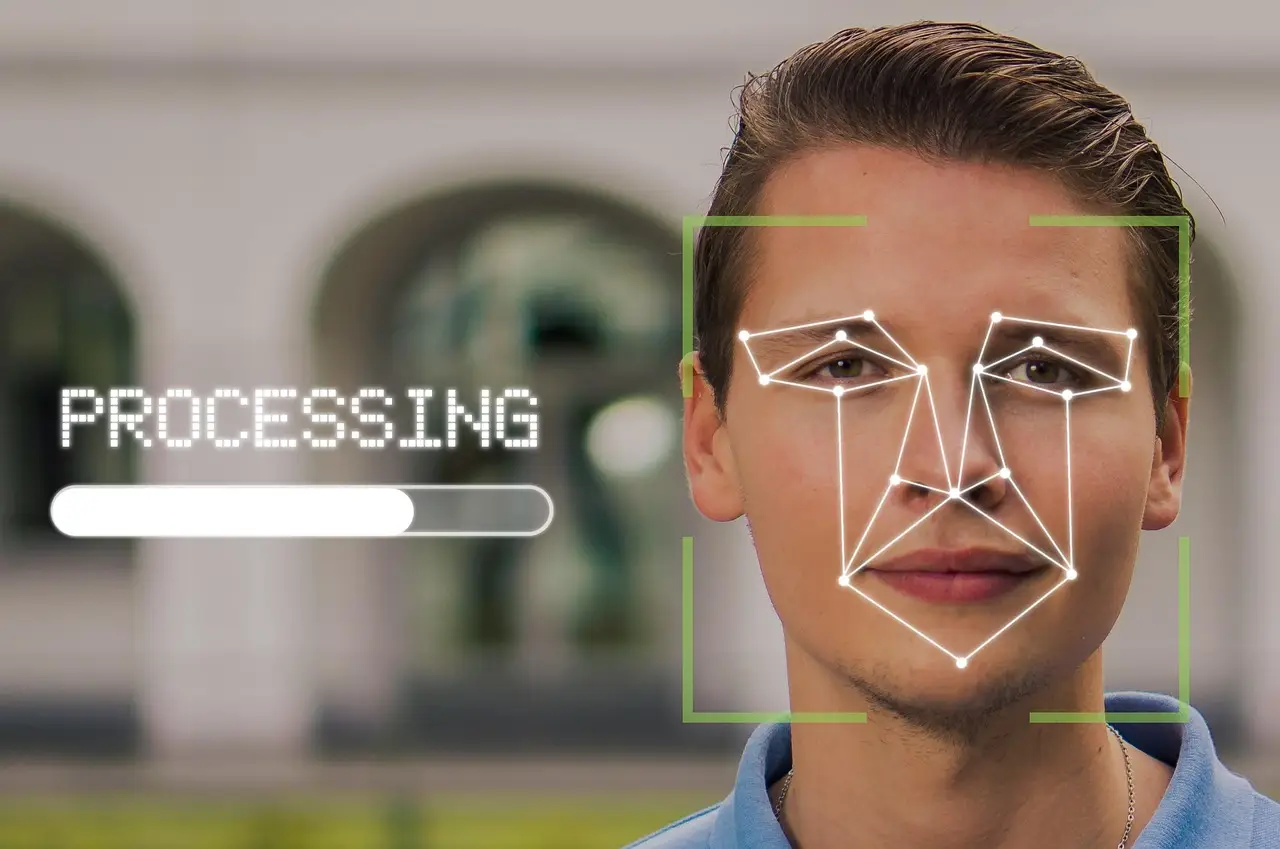
Brazil's Lei Geral de Proteção de Dados (LGPD) classifies biometric data linked to a person as sensitive personal data, requiring stricter rules than for ordinary personal data.
At Voices 2026, attorney Patricia Peck, CEO of Peck Advogados and a CNCiber member, argued for minimum security requirements. Instituto de Tecnologia e Sociedade do Rio (ITS Rio) project director Celina Bottino focused on consumer choice, while digital-security and fraud-prevention influencer Renato Cunha examined criminal data markets. TechTudo editorial coordinator Gisele Barros moderated.
The panel considered three routine pressure points: a photo sent to an artificial intelligence (AI) tool for an internet trend, a CPF requested during a purchase, and biometric collection at a residential building entrance.
What can an AI tool do with a photo?
The discussion did not produce a product-specific answer. The panel report named no AI service and cited no retention period, deletion policy or independent audit. It therefore moved from what users might fear to the legal and operational controls around collection.
Name, CPF (Brazil's individual taxpayer identifier) and address count as personal data. Political opinion, sexual life and biometric information tied to a person fall under the LGPD's more restrictive category of sensitive personal data.
The law permits data processing under different legal grounds:
- Processing may be necessary to meet a legal obligation or perform a contract.
- People can withdraw consent when the company uses it as the legal basis.
- Individuals can ask which entities received their data.
- When a company seeks consent, people can ask about the consequences of refusing.
In practice, choice can remain narrow. Some websites withhold access to their service when users refuse to provide requested data. Bottino said that limitation carries more weight as everyday activities become more dependent on digital platforms.
For a building using facial recognition, Cunha said residents who prefer not to provide biometric data should have another way in. He also noted that people requesting an alternative are sometimes treated as a nuisance. The panel offered no technical option or verification method.
Takeaway: A legal right to refuse matters little if rejecting biometric data means losing access to a building or service.
What should minimum security rules require?
Peck said protection must begin in device design and in how companies collect, store and use information.
Peck stated: “Segurança tem que vir de fábrica, mas temos que ter um modelo de requisito mínimo de segurança aplicado e embarcado, seja nos dispositivos, seja nos fluxos de tratamento de dados.”
Her English formulation was that minimum security must be applied and embedded in both devices and data-processing flows.
Article 46 of the LGPD requires technical and administrative measures to protect personal data against risks including loss and unauthorized access. The law also allows the Agência Nacional de Proteção de Dados (ANPD), Brazil's national data-protection agency, to establish minimum technical standards.
Peck said those standards remain underdefined in practice. The panel report did not explain what specific devices and institutions must meet.
Takeaway: Minimum security is not yet an operating standard until the ANPD specifies what devices and institutions must actually do.
How has fraud become a service?
Renato Cunha summarized the criminal shift in a short line: “O golpe virou um serviço.” In English, the point is that fraud has become a service.
Criminals charge other fraudsters monthly fees for access to systems that query leaked data. That access lets them tailor false messages about:
- Parcels allegedly held at customs.
- Threats to block someone's CPF unless the person makes an urgent payment.
Bottino advised consumers to ask why a company wants a particular piece of data and what it will use the information for before responding to a message. She said urgency forms part of the scammers' approach. Fear of an imminent problem can drive impulsive behavior, she warned, so recipients need to stay alert.
Bottino also said people with less access to guidance about fraud may face greater exposure. She recommends sharing examples of fake messages with family and friends so they can recognize a scam before clicking a link or making a payment.
Takeaway: The next test for companies using facial recognition or AI image tools is whether people can decline biometric collection without losing access and whether minimum security covers devices and data flows; the panel provided no ANPD specification or enforcement timetable.
via oglobo.com (Source)
More from Amara Osei
Show full bio
News editor covering people, launches and day-to-day practice in marketing, advertising, marketing technology, media, SEO and search at Marketing Herald.
409 articles
More on the wire
- Brazil gives schools 12 months to meet new AI-in-education rules
- Brazilian Right Attacks Big Tech Antitrust Bill as Censorship
- Tinder fined €11 million by Irish regulator over data access failures
- Fundo Brasil Puts R$1.6 Million Behind Fight Against Digital Racism
- Criminal Networks Migrate to Lesser-Known Platforms After ANPD Bans Discord Livestreams