Prison-visit vlogs by inmates' partners draw millions of views
Brazilian women with imprisoned husbands, known as 'cunhadas', are drawing millions of views with vlogs on prison-visit meals, dress codes and searches — and building businesses on the audience.
Wire notes
- One video by Auanny Oliveira, 23, passed ten million views on prison-visit routines.
- Oliveira started filming in 2022 after her husband's arrest and has since opened an online clothing store for cunhadas.
- Micaeli Vitória Santos began posting after her husband's arrest in September 2025 and travels nine hours to visit him in São Paulo.
- Publishing images of restricted prison areas is not permitted, according to criminal law professor Jenifer Moraes.
- The vlogs collectively draw millions of views on Instagram and TikTok.
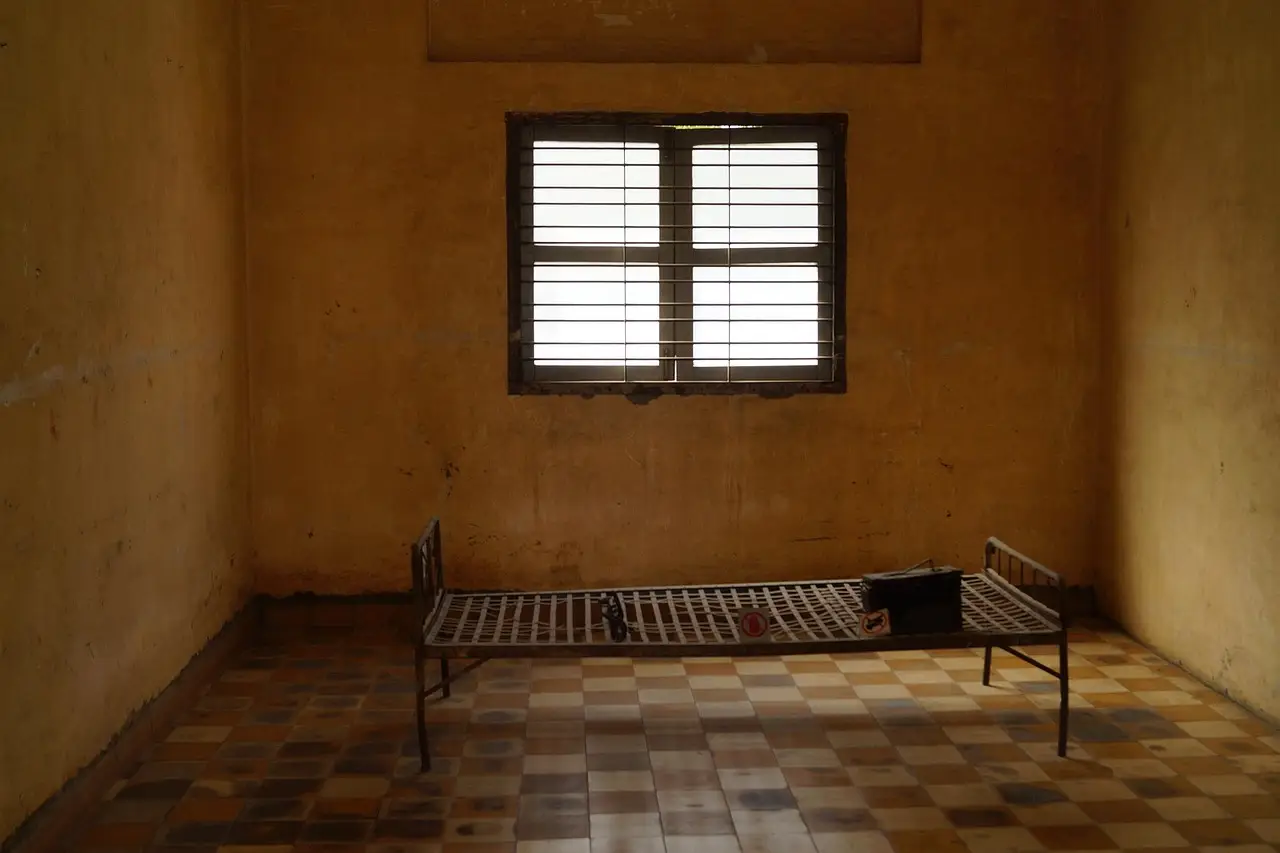
One video by 23-year-old Auanny Oliveira, showing how to prepare meals and navigate searches for a Brazilian prison visit, has passed ten million views. She is part of a wave of women known online as "cunhadas" — sisters-in-law — whose vlogs about visiting imprisoned husbands now rack up millions of views on Instagram and TikTok.
The videos document a rigid routine. Women prepare the "jumbo", the name given to the meals carried into prisons, and pack food designed to last until the next visit. They record their outfits: makeup, styled hair, clothes adapted to prison rules such as leggings and colorful blouses, and the large bags the units permit. The reasons for the detentions are never disclosed in the posts.
How did the trend start?
Auanny Oliveira, from Vitória, began filming in 2022. She was about to give birth when she learned her husband had been arrested. Working at a company at the time, she struggled to find basic information about how the prison system worked — what a hearing was, how the body search on entry operated.
— Não é romantização do crime, só mostramos nossa rotina com objetivo de ajudar outras mulheres. Quando fui pesquisar o que era audiência e como era a revista para entrar na prisão, não encontrei nenhum vídeo. Nossa vida não é fácil, mas nossas dicas ajudam — she said, adding that she has received criticism, including from her own family.
The audience became a market. Oliveira, who says she dreamed of running a business, opened an online clothing store aimed at other cunhadas.
Micaeli Vitória Santos, 29, followed a similar path. Her husband was arrested in September 2025, the month her son was born. Two months later she traveled alone to visit him in São Paulo, nine hours from her home. Without family support, she found community among other cunhadas and started posting her daily work routine in the Brás district, childcare and the trips to the penitentiary.
— Sou sozinha e sempre quis ser um pouco "blogueira". Comecei a postar meu dia a dia no Instagram e os vídeos viralizaram. Desde então, é uma distração. Recebo apoio, mas também muitas críticas — she said.
What does the exposure cost these women?
Nayara Pereira, a psychologist and coordinator of psychology at the Hospital Universitário Evangélico Mackenzie in Paraná, said the incarceration of a family member typically triggers isolation and withdrawal from traditional support networks. Social media can become a virtual space of identification with women living the same suffering, providing a channel for listening and mutual validation. But she warned the exposure carries consequences, including difficulty entering the job market and the exposure of children.
— Para algumas, a exposição pode ter a função de suporte comunitário; para outras, pode envolver dinâmicas ligadas à visibilidade. Curtidas, visualizações e comentários podem favorecer a busca recorrente por reconhecimento — Pereira said.
Why does the algorithm amplify it?
Catarine Birk, a social media specialist, said curiosity about a little-known world and identification among people in similar situations explain the videos' reach. She cautioned against romanticization.
— Vemos o presídio no noticiário pelo lado do crime. Quando uma mulher mostra sua rotina, isso tem muita força. O algoritmo não faz julgamento moral, mas entrega o que prende a atenção e provoca comentários e compartilhamentos. Esses vídeos têm isso — Birk said.
The law adds one boundary. Jenifer Moraes, a criminal law professor at the Universidad de Salamanca in Spain, said the videos themselves are not an irregularity, but publishing images of restricted prison areas is not permitted. For brands and platforms, the cunhada phenomenon shows how lived-experience content around institutional barriers — however sensitive — builds audiences the algorithm will keep serving.
via oglobo.com (Source)
More from Tom Whitfield
Show full bio
Staff writer covering companies, deals and strategy in marketing, advertising, marketing technology, media, SEO and search at Marketing Herald.
430 articles
More on the wire
- Sabrina Sato becomes partner in women's football project 'A Torcida Delas'
- Brazilian Influencer Rhayssa Martins Puts Her Twins Before the Feed
- Criminal Networks Migrate to Lesser-Known Platforms After ANPD Bans Discord Livestreams
- Globoplay Taps Iran Malfitano for 50-Episode Vertical Novela
- Fundo Brasil Puts R$1.6 Million Behind Fight Against Digital Racism