MH-1804PR & Comms
Monumental's AJ Jones II: 'The Future of Sport Is Women'
Monumental Sports comms chief AJ Jones II on women's sports' 46 billion watched minutes, synthetic audiences, AI-powered 'street to seat' fandom and D.C. messaging.
Wire notes
- Nielsen counted 46 billion minutes of women's sports watched in 2025; 33 billion by mid-year.
- 84.6% of Capitals game attendees wear the jersey of a Russian-born player, per Jones.
- Fortune 500 backing of women's pro sports doubled from ~6% to ~13% (Gather research).
- Monumental tested 10 years of messaging on synthetic audiences to refine global social content.
- 41.3% overlap between food-network subscribers and Monumental streaming subscribers informed the Aramark partnership.
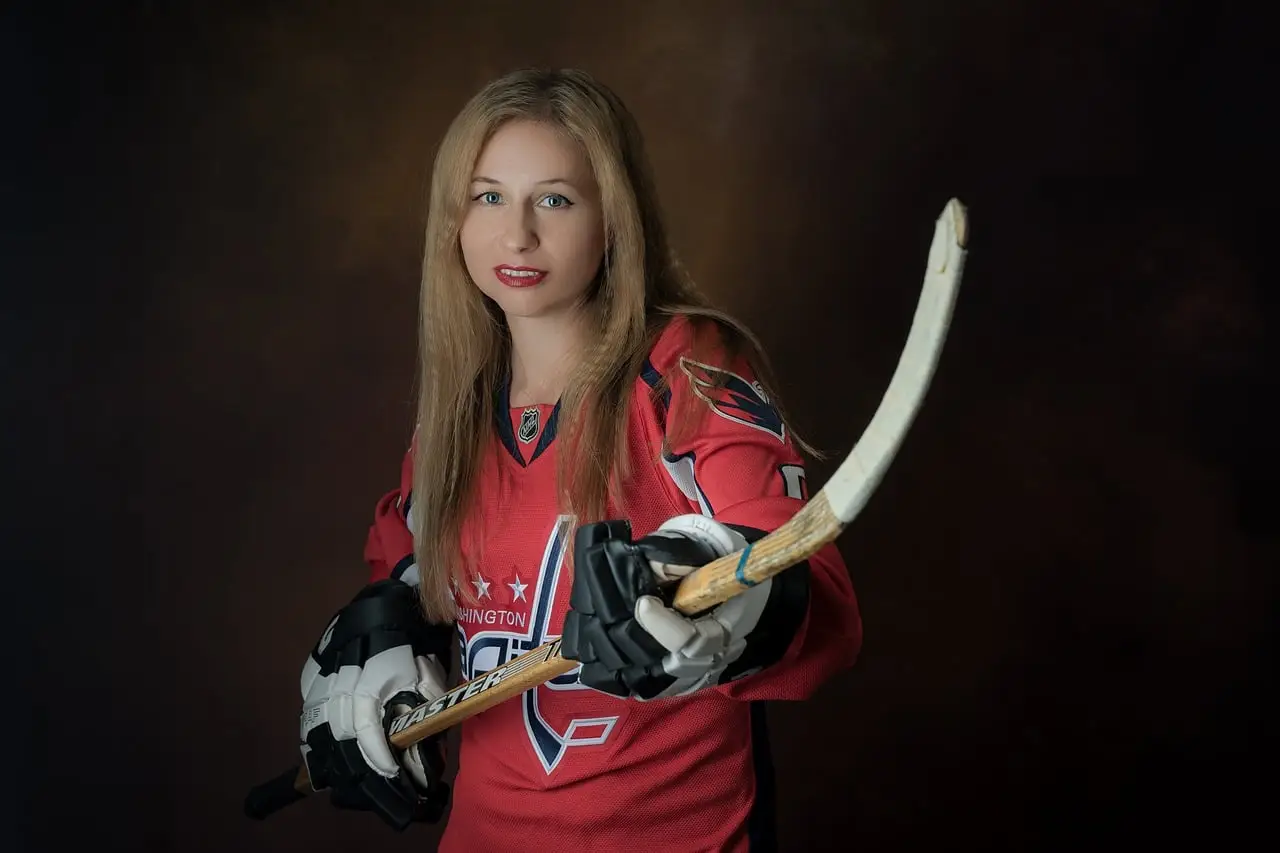
Fans watched 46 billion minutes of women's sports in 2025, according to Nielsen — and AJ Jones II, Executive Vice President and Chief Strategic and Corporate Communications Officer at Monumental Sports & Entertainment, is building his messaging strategy around that number. In an Oct. 14 fireside chat with PRNEWS Managing Editor Nicole Schuman at the Mid-Atlantic MarComm Summit, Jones laid out how he runs communications for the Washington Capitals, Wizards, Mystics, Team Liquid and Capital One Arena, after previously leading global communications and corporate affairs at Starbucks.
What changes when you leave the attention economy?
At Starbucks, Jones said, "my whole orientation was: How do I intervene and disrupt a pattern so that you will convert to do something different, and then create a new pattern?" Sports operate in what he calls the experience economy (a model with four pillars: education, entertainment, aesthetic and escapism). There, the job is transmitting value across the two and a half hours a fan spends in the building.
His framing of loyalty is blunt. "'Fans' is short for 'fanatic,'" Jones said. "People actually change teams less than they change religions. You can take it to the bank." That durability shifts the communications task toward personalization — merchandising in particular — and toward logos as cultural artifacts. The Yankees logo, designed by Tiffany's, is now worn globally by people who don't follow the team.
Why does women's sport keep coming up?
Jones repeated a claim he has made at other conferences: "The future of sport is women." His supporting figures:
- Ten women's leagues have launched since 2024.
- College women's sports viewership has grown 33%.
- Nielsen counted 46 billion minutes of women's sports watched in 2025; halfway through this year, the count stood at 33 billion.
- Fortune 500 involvement in women's pro sports has more than doubled, from about 6% of top companies to roughly 13%, per research from Gather.
He flagged fragmentation — across youth-to-pro pipelines, globalization and athlete influence — as the constraint holding growth back. Monumental hosted Professional Women's Hockey League games that set a record sellout and, in his words, was the highest-rated experience within the building. He also argued women disproportionately enter sport through adjacent content such as "Drive to Survive" and "Quarterback," which he credits for F1's current attendance and viewership growth. The caveats: he cites no independent audit of the synthetic-audience method behind his claims, and the Nielsen figures are his own relay of the data.
How do you message globally and locally at once?
Jones requires three distinct tracks — local, national and global. His example: 22,000 people will fill Capital One Arena for a Capitals game, and 84.6% will wear the jersey of a Russian-born player amid peak Russia–U.S.–Ukraine tensions. Eight of the last eight NBA MVPs were foreign-born. He will travel to Mexico City on Nov. 7 for a sold-out NBA game between the Indiana Pacers and the Denver Nuggets drawing 40,000 people. Owner Ted Leonsis chairs the NHL board and sits on NBA and WNBA executive committees.
To test which messages travel, Monumental loaded ten years of messaging into a synthetic-audience system (AI-modeled crowd simulations used in place of panel research) and repositioned social content for players, teams and executives accordingly. Jones did not describe how the synthetic audiences are validated against real ones.
What does D.C. demand from a communicator?
Jones said his team asks not what fits today but "how well will that message age over time." Live example: when U.S. Customs and Border Protection, a Monumental advertiser, faced heightened public controversy, the team kept the account. "It is not incumbent upon us to make a judgment call about whether these people should advertise," Jones said. Fans and players raised sensitivities, which he said the team takes in rather than marginalizes. Monumental has sat through seven presidencies; each new one gets a letter offering service. Leonsis's line, per Jones: "We're not red or blue; we're red, white and blue."
How is ROI measured — and where does AI fit?
Beyond consumer lifetime value and brand advocacy ratios, Monumental tracks H2H (human-to-human) interactions: whether social content drives people to attend events together. On food, streaming content from food channels has eclipsed drama subscriptions over the last six years, and the crosswalk showed 41.3% overlap between people holding at least two food-network subscriptions and Monumental streaming subscribers — informing the Aramark gourmet partnership.
AI has been in sport nearly 20 years, Jones said, but on the fan side it powers a "street to seat" journey: the system remembers your last five orders, your preferred spot, even "your preferred bathroom area," and greets you with warm peanuts and lime. The data collecting that convenience goes largely undiscussed — a gap worth watching as personalization deepens.
via marcomsummit.co (Original)
More from Amara Osei
Show full bio
News editor covering people, launches and day-to-day practice in marketing, advertising, marketing technology, media, SEO and search at Marketing Herald.
184 articles
More on the wire
- NWSL's Goldstein: The Asset-List Sponsorship Model Is Dead
- US Open Influencer Backlash Pushes Brands to Set Creator Rules
- MLS CMO Radhika Duggal: World Cup Lessons in Data and Creativity
- F1's U.S. Viewership Hits a Bumpy Stretch: What Brands Should Know
- Volkswagen CMO Rachael Zaluzec Ties Brand to U.S. Soccer, NBCU