MH-7535Retail Media & Commerce
J.C. Penney bets real shoppers can cut through holiday deal fatigue
J.C. Penney is countering holiday deal fatigue with 97% of in-store items on sale, weekly cheat sheets, real-shopper ads and Harry Potter pop-ups as second-quarter sales fall more than 8%.
Wire notes
- J.C. Penney will put 97% of its in-store items on sale from Nov. 5-11.
- J.C. Penney says 92% of consumers are confident it offers good deals, while Akeneo data finds only 32% completely or mostly trust retailers on fair or competitive prices.
- Deloitte projects average holiday spending of $1,654, up 4%; 38% of shoppers plan five or more savings strategies and will spend 12% more on average.
- J.C. Penney’s second-quarter total net sales fell more than 8% year over year to $1.3 billion.
- “Really Big Deals” runs every Thursday through Dec. 13; Black Friday deals run Nov. 20-29.
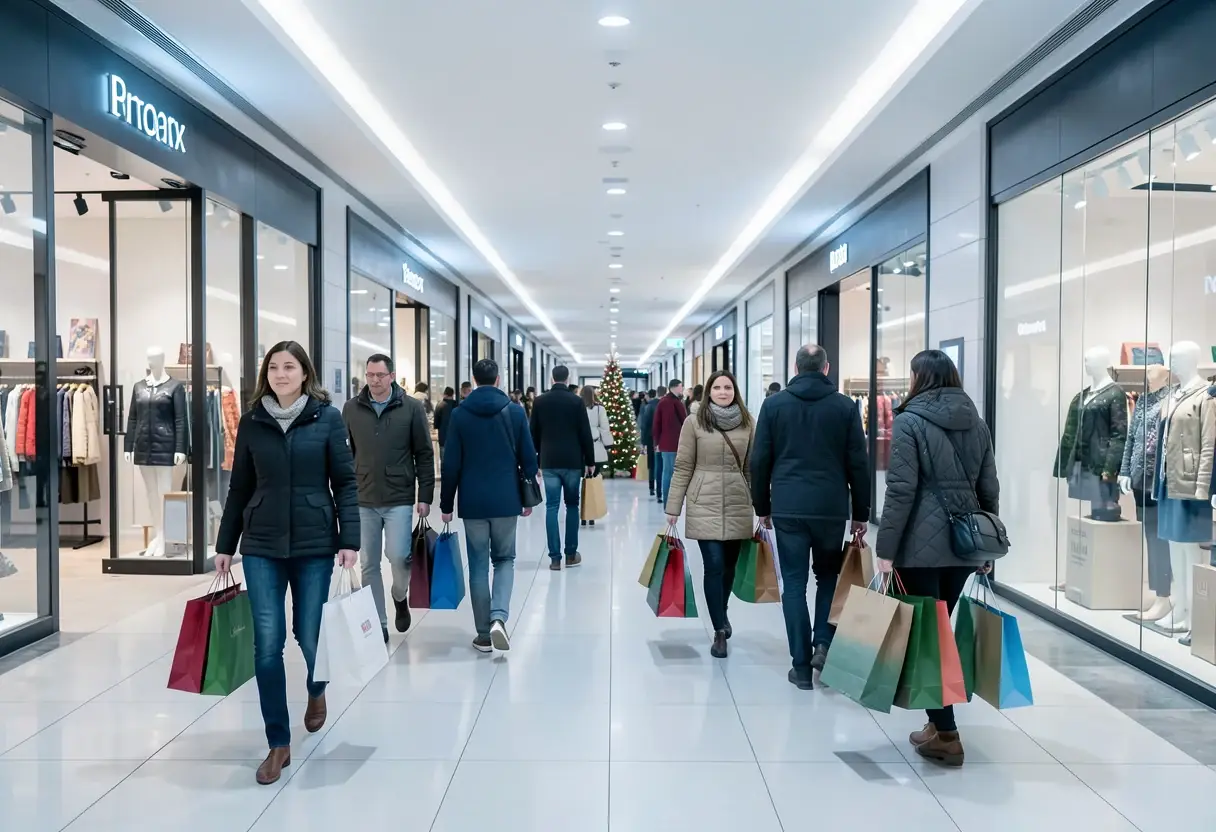
J.C. Penney will put 97% of its in-store items on sale from Nov. 5-11, anchoring a holiday campaign built around value, no-fuss savings and an effort to counter deal fatigue.
Details shared with Marketing Dive say the campaign launched Monday across television, online video, audio and paid social. It spotlights real shoppers whom the retailer calls “deal-scoring” and adds a weekly deals cheat sheet, in-store activations and the returning “Really Big Deals” promotion.
How does J.C. Penney answer deal fatigue?
The 15-second spot “Party Fits” takes place in Crown Point, Indiana, and stars local barber Raemonie. It shows three holiday looks she purchased for a total of $168. The J.C. Penney spot’s voice-over says: “Meet Raemonie — she was worried about having enough outfits for all of her holiday parties. Now, thanks to J.C. Penney, she’s worried about having enough holiday parties for all her outfits.”
The spot extends the “Yes, J.C. Penney” platform the company launched in 2025. Agency Mischief created the campaign, which follows a back-to-school effort that cast real teachers.
Marisa Thalberg, executive vice president and chief customer and marketing officer at parent Catalyst Brands, contrasted the work with fantastical holiday television campaigns. She said the retailer’s approach stays grounded in real people and real life and argues that they deserve better deals.
Real-life proof is the campaign’s central creative device.
Why do shoppers distrust retail prices?
The strategy responds to an environment in which economic uncertainty has flooded shoppers with deals and left many questioning whether advertised savings are genuine. Akeneo data cited in the campaign press details found that only 32% of shoppers completely or mostly trust retailers to offer a fair or competitive price.
J.C. Penney supplied a more favorable measure: 92% of consumers say they are confident the retailer gives them good deals. The campaign will use weekly price guides and in-store activity to make that confidence easier to act on.
The retailer is trying to make price trust visible, not merely louder.
What offers run through the holiday?
Details shared with the brand lay out a dense promotional calendar:
- Nov. 5-11: 97% of J.C. Penney’s in-store items will be on sale.
- Every Monday: A cheat sheet will highlight the week’s top deals throughout the season.
- Every Thursday through Dec. 13: The “Really Big Deals” offer will run.
- Nov. 20-29: Black Friday deals will be available.
- Nov. 27: Surprise giveaways will appear in stores at various points during the day.
To seek added foot traffic, J.C. Penney partnered with Warner Bros. Global Consumer Products on Harry Potter pop-up events and a version of the Hogwarts Express train for select stores. A limited-time capsule will add clothing and home items to the promotion.
Multiple dated offers give shoppers reasons to visit stores throughout the holiday season.
Why does the campaign matter for sales?
Deloitte’s annual holiday survey expects consumers to spend an average of $1,654 this season, up 4% from the prior year as shoppers anticipate higher prices. It also finds that 38% plan to use five or more money-saving strategies; on average, that group will spend 12% more than other shoppers.
The holiday season carries added importance as J.C. Penney remains under sales pressure. The retailer posted second-quarter total net sales down more than 8% year over year to $1.3 billion, a weaker result than department-store peers including Kohl’s and Macy’s.
Deals have long anchored the retailer’s marketing. Earlier this year, J.C. Penney remade Paris Fashion Week with a runway show that replaced haute couture with its own looks and displayed prices on stage. In August, it parodied off-price retailers to promote quality despite low prices.
Thalberg said the latest effort is meant to reinforce that shoppers do not have to choose between fashion and affordability. “We understand our customer,” she said. “Our customer is everyone, real people, real working middle class American families who are trying to make ends meet, and we are very cognizant and empathetic of the economic pressures that Americans are facing.”
Through Dec. 13, J.C. Penney will test whether dated discounts and Harry Potter traffic can lift sales after a weak second quarter; the promotional scale is clear, but the holiday outcome is not.
via Retail Dive (Source)
More from Tom Whitfield
Show full bio
Staff writer covering companies, deals and strategy in marketing, advertising, marketing technology, media, SEO and search at Marketing Herald.
224 articles
More on the wire
- JCPenney Bets on Real Shoppers to Cure Holiday Deal Fatigue
- Kohl's, J.C. Penney and Saks Face Make-or-Break Holiday
- Target Bets on 8,000 New Gifts and $5 Price Points for Holiday
- 28% of Holiday Budgets Will Be Spent by End of October
- Reese's Crowns America's 'Trick-or-Treatiest Street' in Halloween Push