MH-5403MarTech & AI
Google Switches Gemini On by Default in Workspace Gmail
Google is rolling out Gemini thread summaries and Help me write to all Workspace users aged 18-plus — switched on by default, with admins able to opt out organisation-wide.
Wire notes
- Google extends Gemini email summaries and Help me write to all Workspace users aged 18 and over
- Both features are on by default; admins can disable them organisation-wide
- Rollout has started and completes worldwide within the next couple of weeks
- Google is deploying the non-personalised version of Help me write
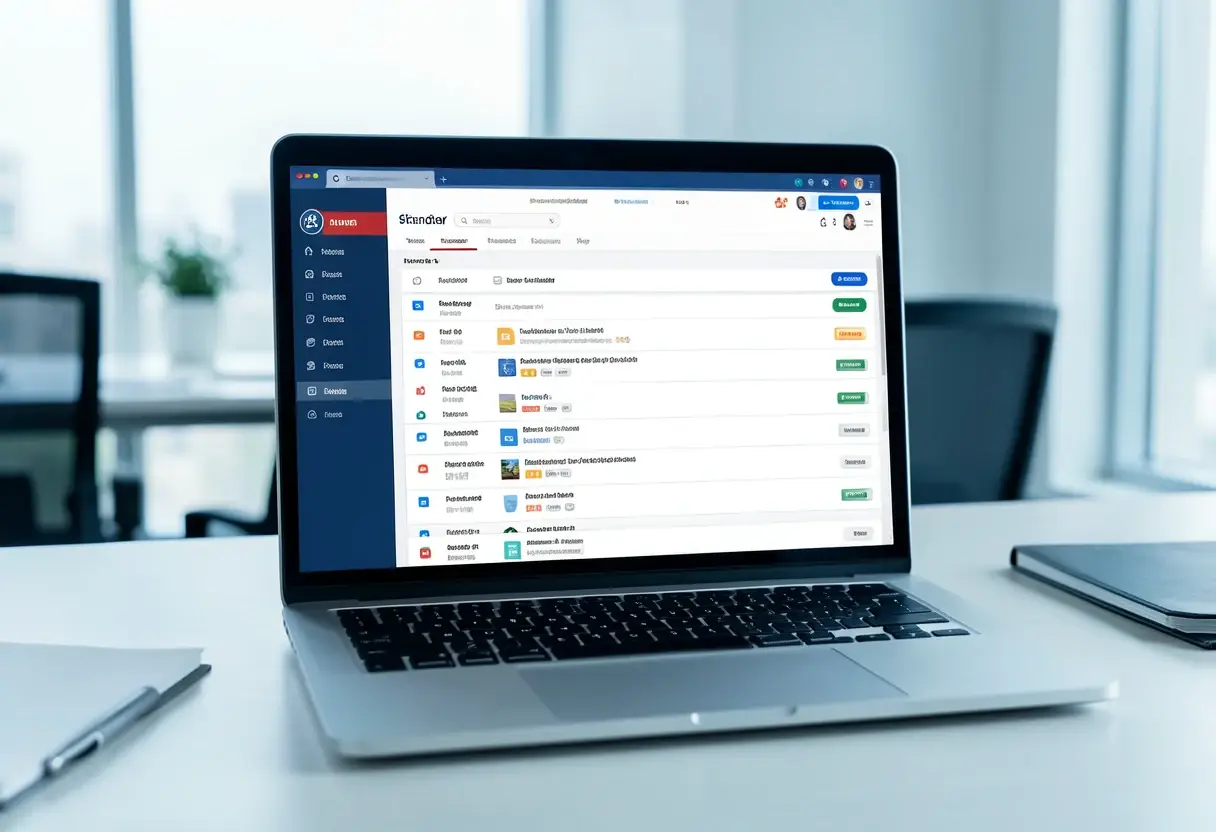
Google is switching Gemini on by default. The company is extending two AI tools in Gmail — conversation summaries and the Help me write drafting assistant — to every Google Workspace user aged 18 and over, covering both employer-provided and school accounts.
The rollout has already started and should reach Workspace customers worldwide within the next couple of weeks, according to Google.
What are the two features?
The first tool, AI Overview, condenses long email threads into a short recap of the key points. Anyone returning to a sprawling reply chain can catch up without reading every message. The second, Help me write, drafts new emails from simple instructions or reworks existing text. Asking for a polite follow-up after a job interview is enough to produce a usable draft.
Google is deploying the non-personalised version of Help me write — the standard drafting tool, not one tuned to an individual user.
Why does the default matter?
Until now, these features were limited to personal Gmail accounts and certain Workspace editions, which left many business and education users without them. The opt-out design is the most notable detail. Users can switch the tools off, and Workspace administrators can disable them across an organisation, overriding personal settings.
Still, opt-out rather than opt-in signals Google's priorities clearly. Companies with strict rules on where sensitive correspondence goes will want to check their admin consoles soon, because many employees will simply use whatever appears in their inbox.
How does this compare with Microsoft?
The move removes the split between personal and business Gmail and brings Google closer to Microsoft. Microsoft has spent the past few years pushing Copilot summaries and drafting deep into Outlook (Microsoft's enterprise email client). The two companies are racing to make AI a standard part of everyday email.
Google's argument is that inboxes keep growing, and summarising and drafting tools save time for professionals, educators and students. Long threads are tedious, and routine replies eat up time. The 18-and-over age limit matters most in education: it brings university students and staff in while keeping younger pupils out.
What could go wrong?
The open question is trust. Thread summaries are only useful if they are accurate. A summary that drops a deadline, misreads a decision or leaves out an important caveat could cause more trouble than skimming the emails yourself.
AI-drafted replies raise a softer problem. Workplace email could start sounding the same everywhere, as more messages come from the same model with the same polished tone.
Google has not published adoption targets or accuracy benchmarks alongside the announcement — the kind of detail that would let buyers judge the tools before they land in employees' inboxes.
How many people keep the tools switched on, and how many organisations quietly turn them off, will say more about Gemini's place in Gmail than any announcement.
By Amara Osei
via absolutegeeks.com (Source)
More from Amara Osei
Show full bio
News editor covering people, launches and day-to-day practice in marketing, advertising, marketing technology, media, SEO and search at Marketing Herald.
286 articles
More on the wire
- Google Antigravity Adds Knowledge Work Interface for Non-Coders
- Google Brings Gemini to Apple CarPlay as Android Auto Cuts Off Older Phones
- Google’s AI Search Shift Raises School Antitrust Concerns
- Google ties K-12 Search access to school AI opt-in
- Generative UI Is Live in Google and ChatGPT — and No Website Is Inside It