MH-6308MarTech & AI
Ring's $250 Flying Drone Cam Lands After Six Years of Delays
Ring's $250 Drone Cam ships in late January after two scrapped designs; the brand also launched a $1,000 Astro-based security rover aimed at businesses, not homes.
Wire notes
- Ring Drone Cam launches late January at $250, six-plus years after its 2020 announcement
- The drone flies 5-8 minutes and needs about 8 minutes of charging per flight minute
- Ring Rover Cam, a rebuilt $1,000 Astro robot, ships mid-December for business use
- Drone Cam weighs 165 grams, captures 2K video with a 148-degree field of view
- Outdoor flight is blocked in software to comply with FAA regulations
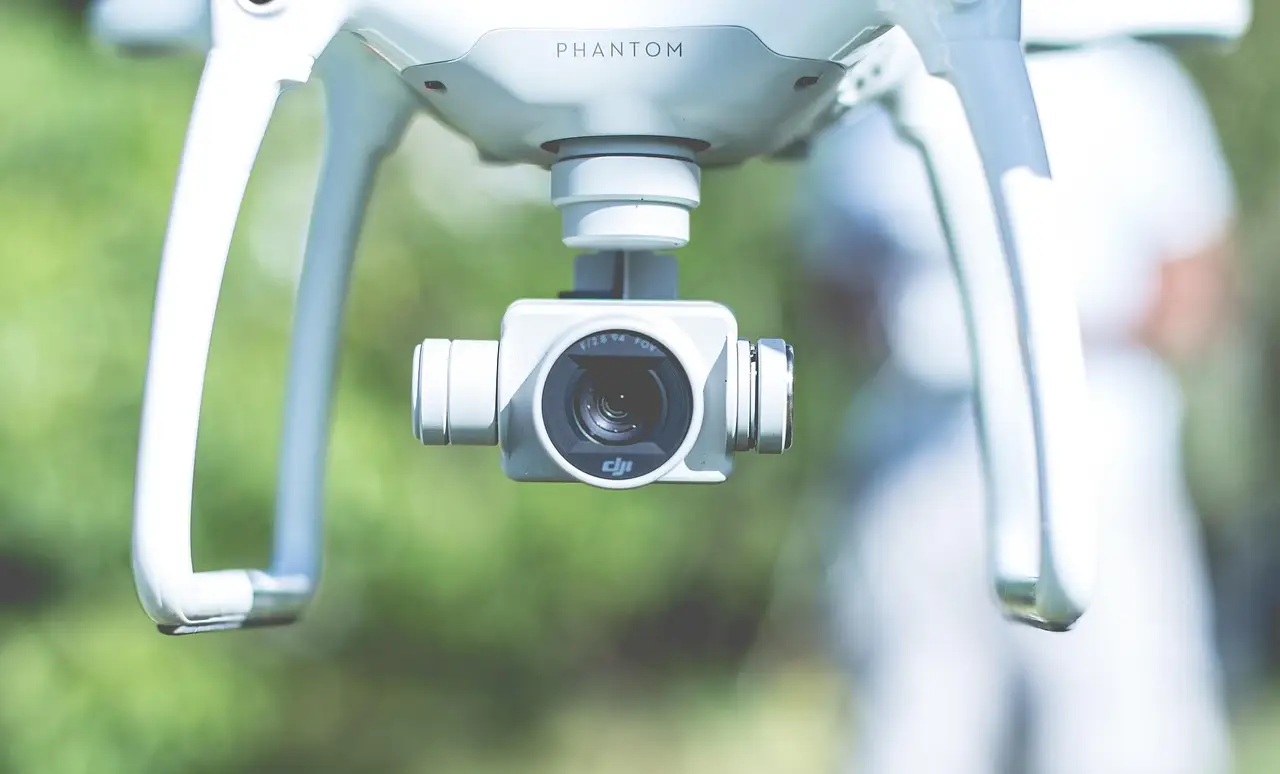
Amazon's Ring unit has shipped its flying home security camera more than six years after first announcing it — and at $250, the Ring Drone Cam reaches consumers in late January with a design its engineers rebuilt twice.
Ring unveiled the product Tuesday. The company originally announced a home drone in 2020 and planned to ship it in 2021. It abandoned that version and later scrapped a second attempt it worked on as recently as last year.
Why did the drone take six years?
Ring founder Jamie Siminoff, now an Amazon vice president, described the engineering problem at a media briefing as "a vicious cycle." Every added sensor demanded a bigger battery. The added weight demanded stronger rotors, which destabilized flight. "You basically keep fixing things that then break things and make them worse," Siminoff said.
The breakthrough came when Ring moved most computing to the cloud and used artificial intelligence (software that performs tasks normally requiring human judgment) to choreograph flight and core functions. An unconnected Drone Cam can take off and land, but nearly everything else — flight paths, responses to alerts from other Ring devices — requires AI and an active Wi-Fi connection.
Siminoff called the launch a "career highlight" in an interview and said Ring has solved the problems that defeated earlier prototypes.
What are the Drone Cam's limits?
The constraints are stark, and Ring discloses them plainly:
- Flight lasts five to eight minutes per charge.
- The drone needs roughly eight minutes of charging for every minute of flight.
- Outdoor flight is blocked in software because it would violate US Federal Aviation Administration rules.
- The camera captures 2K video across a 148-degree field of view.
- The device weighs about 165 grams (0.36 pounds).
Users define safe flight zones and paths during setup. If the battery dies or the connection drops, the drone lands at a spot it has learned is safe. It flies scheduled patrols, carries LED spotlights to deter burglars at night, and launches automatically to investigate notifications from Ring sensors and alarms. Ring positions it for brief check-ins, not continuous surveillance.
At the briefing, Ring demonstrated preproduction samples on predefined routes; journalists could not pilot them. The drone is rugged enough to survive a few tumbles but loud, Siminoff acknowledged. On pets: many ignore it, he said, but others "don't love it."
What is the $1,000 Rover Cam?
Ring also introduced the Rover Cam, a $1,000 security robot shipping in mid-December that repurposes Amazon's Astro robot. Most internal hardware is unchanged, Siminoff said. Astro sold for as much as $2,350 and never caught on with consumers.
Siminoff expects the Rover Cam to serve mostly business and manufacturing sites and conceded it remains too expensive for most households. It streams 4K video while moving, covers zones up to 5,000 square feet, runs 30 minutes per patrol, and has a periscope camera for a higher view. A new "Light Tower" projects a ring onto the ceiling so users can track it out of sight.
Both devices carry privacy measures. Recorded video defaults to "TAKE" encryption (Throw Away the Key Encryption), the drone's camera switches off in its dock, and LEDs signal recording.
Ring is exploring further robotics hardware, but Siminoff set a hard bar: "It's very easy to fall into the toys business when you get into robotics. We don't have any interest in doing that." Whether a five-minute-flight drone clears that bar will be tested when the first units reach customers in late January.
By Elena Vasquez
via latimes.com (Source)
More from Elena Vasquez
Show full bio
Senior reporter covering technology and product news in marketing, advertising, marketing technology, media, SEO and search at Marketing Herald.
280 articles
More on the wire
- Lowe's Pilots Drone Delivery Near Charlotte With Wing and DoorDash
- Amazon Ad Revenue Growth Slows to 12% as Prime Day Shift Bites
- Amazon Replaces Ad Console With AI Agent Platform
- Cyclon Sells a $699 AI Phone That Wants to Replace You, Not Just the iPhone
- Alphabet's Wing Hires Minjae Ormes as Head of Marketing