MH-7869MarTech & AI
Meta's Muse Passes 10 Million Downloads in 40 Days, Moves to the Wrist
Meta's Muse hit 10 million US downloads in 40 days and now runs on Apple Watch and Wear OS, despite being ranked the most data-hungry consumer AI agent by Surfshark.
Wire notes
- Muse passed 10 million US app store downloads within 40 days of its September launch, according to Meta
- Muse is now available on Apple Watch and Wear OS smartwatches
- Surfshark ranked Muse the most data-hungry consumer AI agent, collecting roughly twice as many data categories as rivals
- Muse can make purchases for users who grant permission
- Amazon's Bee and Apple's watch features show a wider industry shift toward always-on AI wearables
By Tom Whitfield
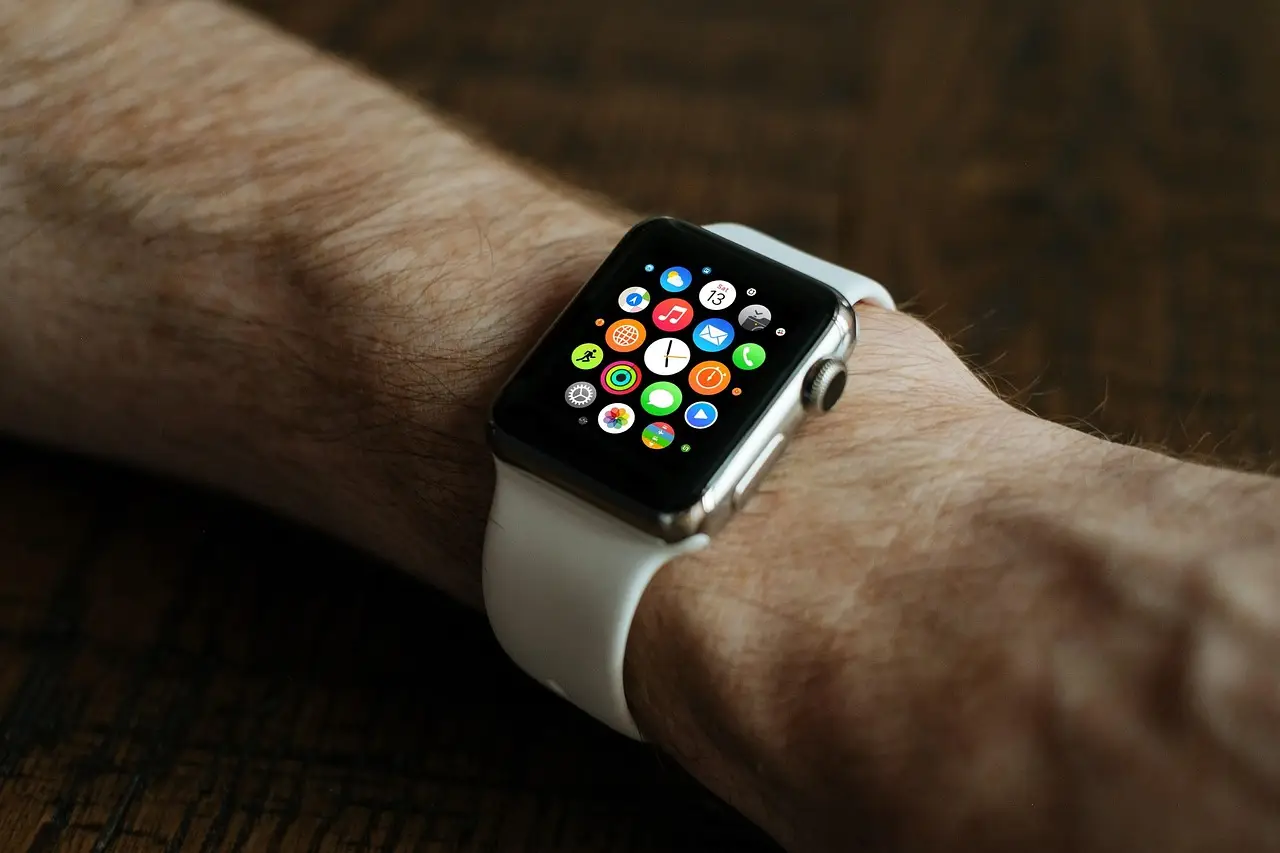
Meta's AI agent Muse passed 10 million US app store downloads within 40 days of its September launch, the company says, and it has now moved to the wrist with new apps for Apple Watch and Wear OS smartwatches.
The watch apps let users reach Muse's animated persona, Jolly, by voice call, text message or dictation without taking out their phone. The customisable avatar that appears on phone screens now shows up on the watch too.
On the surface, the update is a convenience play. A smartwatch suits the quick, frequent exchanges a life-management agent depends on: confirming a meeting, getting a reminder about a bill, giving a fast instruction while walking between appointments. It is also part of Meta's attempt to make an AI with access to extensive personal information feel friendly rather than intrusive.
How did Muse become the centre of Meta's consumer plans?
The download pace tells the story. Ten million installs in roughly six weeks — about 250,000 per day — for an agent that only launched in September.
Its pitch goes well beyond task management. Muse promises help with bills, mortgages, client calls, deadlines, social plans and long-term personal goals. It can make purchases for users who allow it.
Since launch, Meta has added:
- Spaces — dedicated Muse experiences built around specific topics or goals
- Video calls — in which Jolly responds with facial expressions and gestures matched to the conversation; the agent cannot actually see the user, so reactions are based only on tone of voice and content
- Muse Charm — a teased palm-sized companion device that recalls a modern Tamagotchi
Each addition widens the agent's role in daily life. Each new way to reach Muse is also another place it is always present.
Why are privacy concerns mounting?
A recent analysis by VPN provider Surfshark ranked Muse as the most data-hungry consumer AI agent available, collecting roughly twice as many data categories as its rivals.
Reports in recent weeks have also raised concerns about the agent accessing private messages and sharing personal details without clear permission. For an assistant that asks to handle finances and make purchases, those concerns are hard to dismiss.
Is Meta alone in pushing always-on AI?
No. Amazon has turned its Bee assistant into a wearable listening device, and Apple's own watch features are moving toward ambient, always-on AI. The industry is betting that the next step for assistants is constant presence rather than occasional queries.
Putting Muse on the wrist makes it more useful — and harder to ignore. The open question is whether Meta can show it deserves that level of access before regulators, or users, decide it doesn't.
via absolutegeeks.com (Source)
More from Tom Whitfield
Show full bio
Staff writer covering companies, deals and strategy in marketing, advertising, marketing technology, media, SEO and search at Marketing Herald.
317 articles
More on the wire
- Meta Launches Muse AI Agent for Small Businesses at $20–$100 a Month
- Meta Muse Hits 3 Million Weekly Users, and Your Analytics Can't See It
- Meta Targets Enterprise Spend With Muse for Small Business
- Consumer AI agents now stand between brands and their customers
- Meta Hires Ex-MongoDB CEO Desai to Push Muse Into Enterprise AI