MH-4734Content Marketing
UNICEF USA CMO Shelley Diamond Turns 'Badass Do-Gooders' Into Brand Strategy
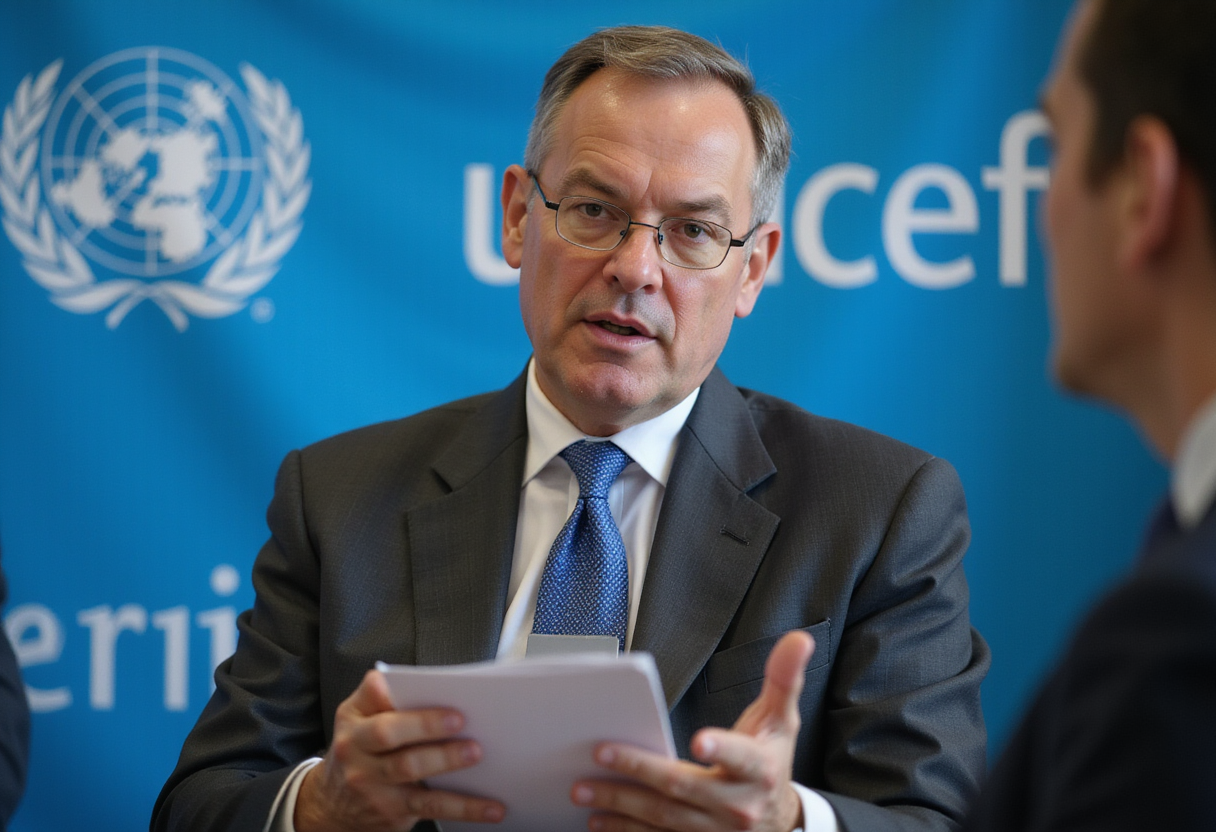
UNICEF USA CMO Shelley Diamond, entering Ragan's Top Women in Marketing Hall of Fame on Oct. 22, explains her trust-relevance-reach strategy for the nearly 80-year-old brand.
Wire notes
- Shelley Diamond, CMO of UNICEF USA, joins Ragan Communications' Top Women in Marketing Hall of Fame at the awards ceremony in New York City on Oct. 22.
- UNICEF is nearly 80 years old; Diamond describes it as probably the world's largest children's humanitarian organization.
- Her framework rests on trust, relevance and reach, applied to a nonprofit the same way as commercial brands.
- The Trick-or-Treat orange box program moved online after schools stopped distributing the boxes due to teacher workload.
- Two women at Xerox — the CEO and head of marketing — pushed for Diamond's promotion to managing director earlier in her career.
By James Calloway
Shelley Diamond, CMO of UNICEF USA, will be inducted into Ragan Communications' Top Women in Marketing Hall of Fame at an awards ceremony in New York City on Oct. 22. Her marketing problem is one most brands would envy and fear at once: near-universal recognition, and almost no understanding of what the organization actually does.
"We have a brand that is very trusted, but not particularly relevant," Diamond told Ragan in an interview ahead of the ceremony. "Everyone knows us, but no one really knows us and what we actually do."
That gap, she argues, is a marketing problem — and she runs it like one.
What's the strategy?
Diamond applies the same three principles she used on commercial brands: trust, relevance and reach.
- Trust: UNICEF already has it, built over nearly 80 years.
- Relevance: the harder task. Donors care about children in their own communities first. "A child is a child wherever they are," Diamond said. "We just want to give you some information so you could care about children all over the world, and that's marketing."
- Reach: earned media, ambassadors and influencers — because, as she put it, "you don't have the money to be able to beat any other brands."
Her differentiation pitch is blunt: "We probably are the world's largest children's humanitarian organization, period, full stop." But, she added, "people don't know it."
Who are the 'badass do-gooders'?
Diamond's answer to the differentiation problem is storytelling about the people on the ground.
"It's the nurses that helicopter into northern Nigeria, where they put their life at stake in order to safely deliver babies," she said. "We may be an old brand, like 80 years old, but in our thinking, we are forward thinking."
She calls the approach delivering aid "at the speed of need." The goal: when audiences see it, they stop thinking of UNICEF as "that little orange box, that thing I remember from my childhood" and start seeing "an incredibly forward-thinking, intelligent, differentiated, innovative brand that's also highly empathetic."
What happened to the orange box?
The Trick-or-Treat for UNICEF box remains a double-edged asset. It's a child's first philanthropic act and a nostalgia trigger for parents — but schools no longer distribute the boxes, because teachers don't have time.
UNICEF USA moved the program online. Families can order boxes directly and then show their children exactly where the money goes — the blanket, the safe drinking water. "We're making it more tangible by creating an online experience as well as offline," Diamond said.
Who shaped her career?
Two women at Xerox, one of Diamond's accounts earlier in her career — the CEO and the head of marketing — championed her when she had three small children and a new commute. When her agency tried to promote someone else, they intervened directly: "We want you to promote Shelly to be the managing director of our business."
"The two of them absolutely changed my life," she said.
Her drive, she said, traces back further: a mother born in Berlin who rebuilt a life in the U.S. with the community's help, and a family that taught her independence. "It just feels like it's what I was put on earth to do," she said.
The takeaway for nonprofit marketers: a trusted brand without relevance is unrealized equity, and Diamond is betting the stories of field workers — not the orange box — close that gap.
via ragan.com (Original)
More from James Calloway
Show full bio
Market editor covering technology and product news in marketing, advertising, marketing technology, media, SEO and search at Marketing Herald.
124 articles