MH-8865PR & Comms
Target Denies Cooperating With ICE. Why That May Not Matter
Target denies cooperating with ICE, but retailers likely need formal policies on law enforcement staging areas in their parking lots, whether they own or lease.
Wire notes
- Target has denied cooperating with ICE.
- Retailers that own or lease store property likely need formal policies on law enforcement staging areas in parking lots.
- The ownership structure — owned versus leased — affects how retailers can control access to their property.
- A formal policy addresses future requests consistently across locations; a one-off denial does not.
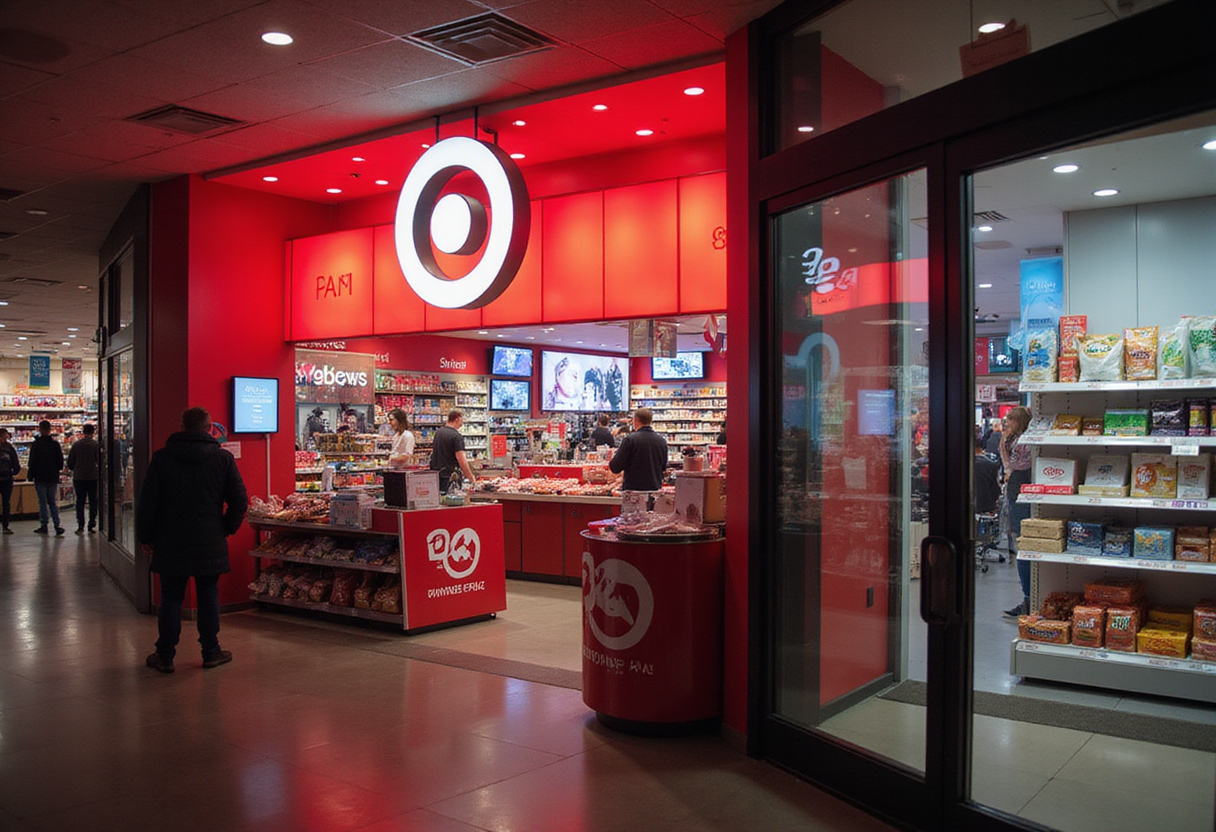
Target denies cooperating with ICE — but whether that denial holds may matter less than the policy vacuum behind it.
The dispute points to a structural gap in retail operations. Whether they own or lease store property, retailers probably need formal policies about whether law enforcement agencies can establish operational staging areas in their parking lots.
Why is a formal policy the real issue?
A denial of cooperation addresses a single incident. A written policy addresses every future request. Retailers without one leave store-level decisions — made by individual managers facing law enforcement at the door — undefined.
The ownership question adds a layer of complexity:
- Owners control their parking lots directly and can set binding rules on who may stage operations there.
- Lessees may face lease terms, landlord agreements or shared-property arrangements that complicate any unilateral refusal.
Both situations argue for the same fix: a documented, chain-of-command-wide policy on law enforcement access to retail property.
What does the staging-area question mean in practice?
Parking lots have become contested ground for retailers as immigration enforcement activity draws public attention. When enforcement vehicles use retail property as a staging area, shoppers may read it as corporate endorsement — accurate or not.
That is precisely why an explicit policy matters more than a reactive denial. A retailer that has already defined when, whether and under what conditions law enforcement may operate on its premises can respond consistently across hundreds of locations.
What should retailers do next?
The guidance implied by the episode is straightforward: retailers should decide the question in advance, in writing, and train store management accordingly. For chains that both own and lease, the policy should account for lease obligations and landlord relationships.
As enforcement operations continue to surface at retail sites, chains with formal access policies will be the ones able to answer quickly — and credibly — the next time the question lands in their lot.
via imgproxy.divecdn.com (Original)
More from James Calloway
Show full bio
Market editor covering media and advertising at Marketing Herald.
103 articles
More on the wire
- California Passes Compromise SB-690, Keeping CIPA Lawsuits Alive
- Walmart Tests Putting Marketplace Sellers' Goods in Stores
- Instacart Bets on Lower Markups to Drive Its Next Growth Phase
- Macy's Goes Consumer-Facing With DoorDash as Retail Media Deals Blur Lines
- Costco Rolls Out Nationwide Delivery via Uber and DoorDash