MH-8198Advertising & Media
Subaru and Toyota Sell Almost 62,000 US EVs as Rivals Retreat
Subaru and Toyota sold almost 62,000 U.S. EVs in the first nine months of 2026, more than double last year, as five affordable electric SUVs filled the gap left by retreating rivals.
Wire notes
- Subaru and Toyota sold almost 62,000 U.S. EVs in the first three quarters of 2026, more than double the year before
- The brands' new EVs are priced from $35,000 to $45,000, below the average U.S. internal-combustion car price
- Toyota sells two U.S. EVs for every one Ford sells
- Federal EV incentives expired in September; Rivian is the only other carmaker to post a year-to-date EV sales gain
- An electric three-row Toyota Highlander, sold by Subaru as the Getaway, arrives in spring 2027
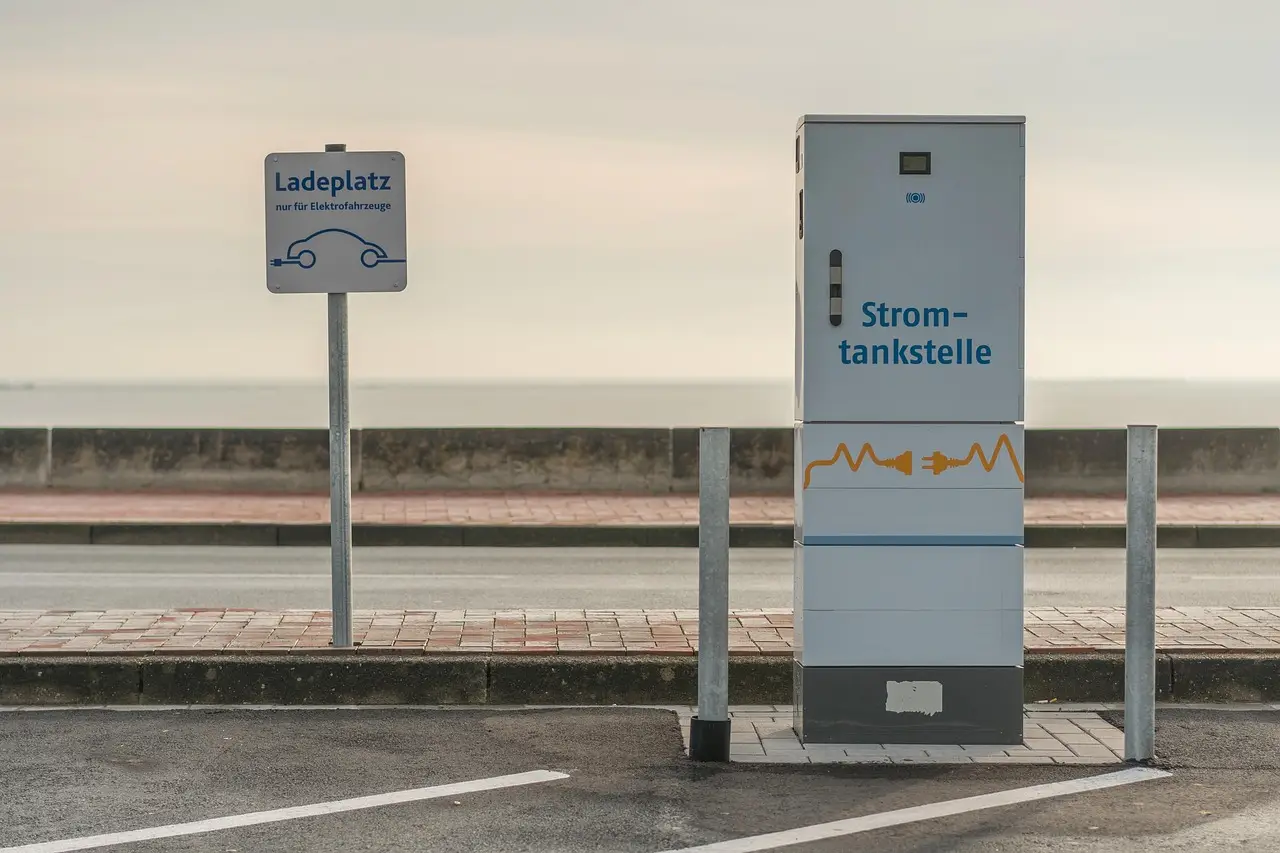
Subaru Corp. and Toyota Motor Corp. sold almost 62,000 electric vehicles in the U.S. in the first three quarters of 2026, more than double their year-earlier total, while most rivals cut EV models and production. The two Japanese brands, which entered the electric race late, added five new models and captured share that analysts say might otherwise have gone to larger carmakers now scrapping their battery lineups.
The brands still hold only 9% of the U.S. EV market and trail General Motors Co. But their sales are growing while competitors go in reverse. In the year to date, Rivian Automotive Inc. — which also launched a new truck — is the only other carmaker to post a gain in battery-powered sales.
"It's a reset for the EV market and it is resilience," said Stephanie Valdez Streaty, director of industry insights at Cox Automotive Inc. "And you start to see this divergence of who's winning the race and who's pulling back."
Why buyers are choosing these EVs now?
Federal incentives expired in September, cooling EV demand, but the market has since stabilized and the pool of electric-curious drivers is growing. Analysts say Subaru and Toyota are winning drivers squeezed by high gas prices — share that might have gone to rivals who killed their EVs.
Toyota, which owns 20% of Subaru, now sells two EVs in the U.S. for every one Ford sells. Valdez Streaty said the companies' new models — affordable SUVs — sit squarely in the sweet spot of the American car market.
The customer evidence backs the thesis. Karla Fisher, a Marine and retired engineer on the Oregon coast, had watched the EV market for more than a decade without finding a fit. Her requirements: at least seven inches of ground clearance, more than 250 miles of range, and a price at or below comparable gas vehicles. The Ford F-150 Lightning, Honda Prologue and Nissan Ariya — all since discontinued — failed the test.
"I have been watching the EV market for more than a decade," Fisher said. "Alas, no cars were produced that made sense to me as a consumer in all that time."
She bought a Subaru Trailseeker in September and has already driven 2,000 miles to trailheads, fishing holes and campsites. She calls it her "most favorite car of all time."
How much luck, how much strategy?
The boom required as much luck as planning. Developing a new car from sketch to assembly line takes years; killing one takes weeks. When the U.S. EV market plummeted late last year, a cluster of models disappeared from production within weeks.
The Subaru and Toyota EVs, in development for years, happened to debut just as gas prices spiked and the EV field thinned.
"There's been so much volatility with EVs out there in terms of regulations that it's been an interesting go," said Timothy Tagye, vice president of field operations for Subaru of America Inc. "But our timing was good."
Why the prices stay low?
The two companies partnered on development of many of their latest EVs, sharing resources and splitting costs. Each brand styled its own exteriors, but much of the underlying machinery is shared.
Subaru spokesman Dominick Infante said that arrangement is the main reason sticker prices on the Subaru Trailseeker and Uncharted and the Toyota C-HR and bZ Woodland stay relatively affordable. All the new models are priced from $35,000 to $45,000 — well below what the average internal-combustion car sells for in America today.
"We do believe there's an EV future," Infante said.
What comes next?
Toyota has deliberately avoided betting on whether the industry's future is gas or electric. Its new EVs are simply another option alongside hybrids and gasoline-only vehicles, according to Owen Peacock, general manager of Toyota marketing and communications.
"Our multi-pathway strategy is really kind of 'let's serve everybody'," Peacock said, "versus, 'Let's move people from one to the next to the next.'"
Both brands now field electric SUVs in small, medium and large sizes — a Goldilocks spread. Next year each adds an extra-large offering: an electric three-row Toyota Highlander SUV, which Subaru will market as a new model called the Getaway, arrives in the spring.
For marketers, the lesson is concrete: as rivals exited, two brands with shared platforms, sub-$45,000 pricing and SUV body styles converted abandoned demand into doubled sales.
via latimes.com (Source)
More from Tom Whitfield
Show full bio
Staff writer covering companies, deals and strategy in marketing, advertising, marketing technology, media, SEO and search at Marketing Herald.
272 articles
More on the wire
- Amazon Gives Away 5-Year Purchase Data in Marketing Cloud
- Mercedes-Benz USA Uses iSpot Data to Calibrate Holiday Cheer
- DoorDash's $17 Billion Instacart Bid Redraws the Quick Commerce Map
- Only 10% of Consumers Start Product Discovery With AI, AlixPartners Finds
- AB InBev Cuts Invested Brands From 500 to 50 and Doubles ROI