MH-5662PR & Comms
Love Your Mind Drove 49% Rise in Help-Seeking in Under Five Months
"Love Your Mind" hit 50% awareness and drove a 49% rise in resource-seeking in under five months. Ad Council, Blank Foundation and WNBA's Jordin Canada explain how.
Wire notes
- "Love Your Mind" reached 50% awareness and increased resource-seeking by 49% in under five months
- The national campaign was localized for Georgia by the Arthur M. Blank Family Foundation with culturally relevant storytelling and athlete advocacy
- Speakers included Ad Council's Heidi Arthur, the Blank Foundation's Sherrie Mazur and Atlanta Dream guard Jordin Canada on Adspeak by ADWEEK
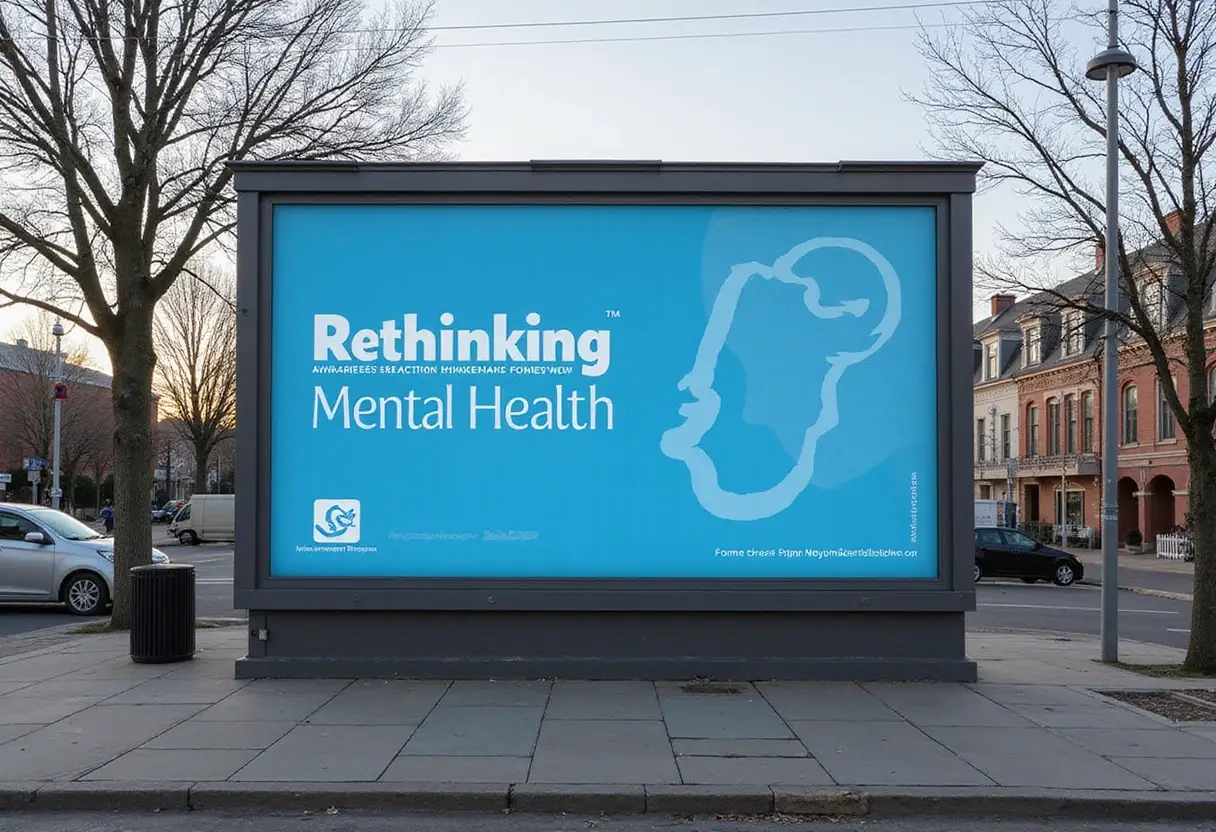
Awareness for the national "Love Your Mind" mental health campaign reached 50%, and resource-seeking behavior rose 49% in under five months — proof, its backers argue, that cause campaigns should be judged on behavior, not vanity metrics.
The numbers anchor the latest episode of Adspeak by ADWEEK, in which host Audrey Kemp talks with three communication leaders: Heidi Arthur, chief campaign and program officer at the Ad Council; Sherrie Mazur, managing director of communications at the Arthur M. Blank Family Foundation; and WNBA star Jordin Canada, a guard for the Atlanta Dream.
The conversation breaks down how "Love Your Mind" was localized for Georgia. The Arthur M. Blank Family Foundation adapted the national initiative for local communities through culturally relevant storytelling, trusted community voices and authentic athlete advocacy. Mazur's work, according to her role description, bridges philanthropy and grassroots activation by uniting diverse sports organizations and leveraging trusted local voices to destigmatize mental health conversations.
Athletes carried particular weight as messengers. Canada, a featured voice in the campaign, shares her personal experience of navigating pressure, vulnerability and the importance of seeking support as a professional athlete. The episode argues that vulnerability — not celebrity status alone — is what builds authentic credibility, and that athletes' influence works precisely because audiences see them as people who perform under sustained public pressure.
Underpinning the campaign is a "Brand Platform" approach: treating a cause campaign like a product brand. That discipline, the guests explain, keeps partnerships consistent across markets and messengers while allowing localization of the creative and media strategy.
Media strategy gets equal attention. The guests discuss how to choose high-traffic, high-dwell placements — airports are cited as a prime example — to reach broad, diverse audiences at moments when they are most receptive to mental health messaging.
Arthur oversees national initiatives like Love Your Mind at the Ad Council, where she works to transform empathy into measurable action. Her team leans on donated media and cultural influence, particularly through sports and trusted athlete voices, to drive behavioral change on critical social issues.
One warning runs through the discussion: brands risk tokenism on mental health if they go it alone. The guests advise partnering with clinical experts to keep messaging credible and grounded.
Measurement is the other fault line. Campaign success, they argue, should be tracked through actual behavior shifts and resource-seeking — whether people look for support — rather than impressions or reach. The Georgia results, with awareness at 50% and resource-seeking up 49% in under five months, are presented as the model.
For marketers, the takeaway is a transferable playbook: localize national creative through trusted voices, run the campaign with product-brand discipline, buy dwell-time media, and hold the work accountable for what audiences do — not what they see.
via Adweek (Source)
More from James Calloway
Show full bio
Market editor covering technology and product news in marketing, advertising, marketing technology, media, SEO and search at Marketing Herald.
155 articles
More on the wire
- NWSL's Goldstein: The Asset-List Sponsorship Model Is Dead
- BetterHelp Puts 10,000 Therapy Hours Behind Women's Mental Health
- NFL Wives Are Breaking the Arm-Candy Stereotype With Their Own Brands
- Cognitiv CMO Justine Frostad: Why Marketers Should Stop Hiding Their AI
- Advertising Week Turns to Gen Alpha: Five Paths for Marketers