Burger King Puts Its President On Camera To Sell $700M Turnaround
Burger King's new 60-second spot has President Tom Curtis admitting many locations are 'old, run-down' as the chain markets its $700 million turnaround and 'Sizzle' remodels.
Wire notes
- Burger King has invested $700 million in its turnaround, including about $200 million in its 'royal reset' of remodels.
- The chain has remodeled 60% of US locations; the completion target moved from 2028 to 2030.
- US same-store sales grew 8.4% in Q3, per parent Restaurant Brands International's latest earnings.
- President Tom Curtis has received roughly 120,000 customer calls since sharing his work number.
- Burger King lost its No. 2 US burger-chain spot in 2020 and reclaimed it in August.
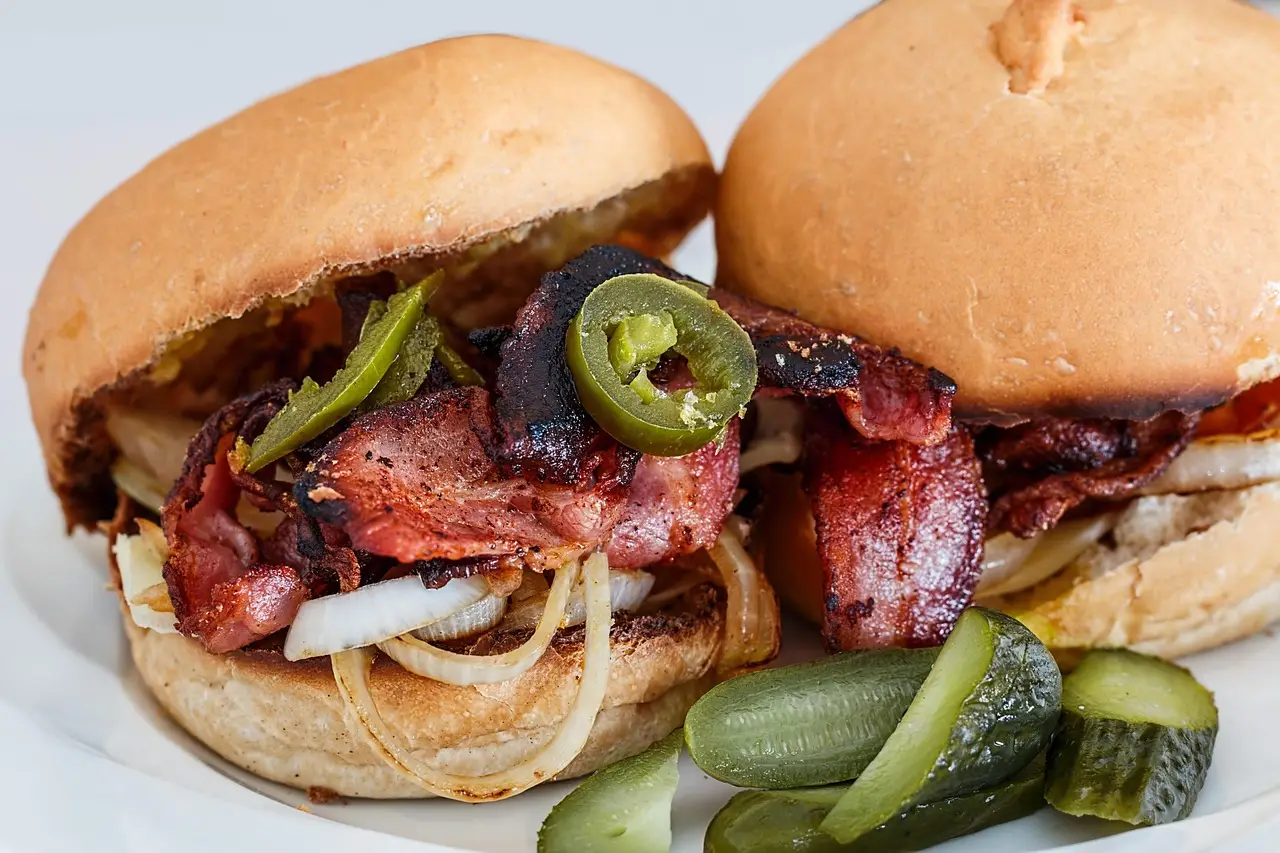
Burger King has spent $700 million on its turnaround — and its newest 60-second spot opens by admitting the dining rooms that money is fixing were not good enough. President Tom Curtis fronts the ad himself, posing the question: "Shouldn't a fast-food restaurant be somewhere you want to sit down and eat?" His answer is blunt. "Looking at some of our restaurants, you wouldn't think so," he says in the spot. "Too many are old, run-down, or just not good enough."
The campaign, created by agency BarkleyOKRP, promotes the quick-service chain's nationwide renovation push. Customers can submit feedback and lobby for their own location to be renovated at RebuildMyBK.com. It is the second time this year the chain has publicly asked for complaints; earlier in the year, Curtis gave out his work number to collect customer feedback directly.
How does the feedback play into the brand strategy?
"We see continued opportunities to take the feedback we're getting from our guests on things that we can do better—menu items, promotions, partnerships, our restaurants—that are part of the fourth chapter of our brand elevation," Joel Yashinsky, CMO of Burger King US and Canada, told Marketing Brew. "Marketing is telling the story, but it is a larger story."
That larger story is a comeback attempt rooted in listening. Burger King lost its position as the No. 2 burger chain in the US in 2020, and the company has since invested roughly $200 million in what it calls a "royal reset": $95 million for location refreshes and $105 million for more intensive remodels. The chain has also updated the Whopper, its packaging, and its chicken nuggets. In August, Burger King reclaimed the No. 2 spot.
"Guests are appreciating [that] one, we're listening to them; two, we're acknowledging our shortcomings; and three, we're acting upon what they're telling us," Yashinsky said. "That simple model is resonating because I think that's what people are looking for today from brands."
Why put the president on screen?
Curtis's accessibility anchors the push. Since he first made his phone number available, he has received roughly 120,000 calls from customers, the company said. "We needed [somebody] to say, 'The buck stops here, and there's accountability,'" Yashinsky said. "[It's] having the leader of the brand set that tone."
Not every chief executive translates to advertising, but Yashinsky called Curtis's style a "magical" part of the campaign. "Tom is humble, he's authentic, and real, and that comes across incredibly well and incredibly accurately in all of the content and the creative that's been developed," he said. Other employees will appear in the work alongside Curtis, including the head chef, the development team, and franchisees, according to Yashinsky.
The takeaway: Burger King is betting that visible executive accountability sells a renovation story better than polished brand claims.
What does the new design look like?
The redesign, dubbed "Sizzle," is built to make dining rooms inviting. Yashinsky cited the King's booth as a signature element: orange, seating eight, with "great lighting." The goal, he said, is spaces that are "comfortable and inviting" and create "an atmosphere that people are looking for." The emphasis on character is deliberate — redesigns across the fast-food sector have drawn criticism as soulless grey boxes, while retro designs like vintage Pizza Huts command loyal followings.
Burger King has remodeled 60% of its US restaurants so far. The chain originally targeted completion by 2028 but recently pushed the timeline to 2030, according to Bloomberg.
The results are already showing up in the numbers: Burger King posted 8.4% growth in US same-store sales in the third quarter, making it the standout in parent company Restaurant Brands International's most recent earnings. The longer remodel runway suggests the brand believes patience, paired with accountability marketing, will keep that momentum intact.
via bloomberg.com (Original)
More from Tom Whitfield
Show full bio
Staff writer covering companies, deals and strategy in marketing, advertising, marketing technology, media, SEO and search at Marketing Herald.
411 articles
More on the wire
- McDonald's Targets Billion-Dollar Media Network as It Rethinks Marketing
- How Omaha Steaks' 'No Bull' Campaign Lifted Conversions 46%
- McDonald’s sales fall as U.S. fast-food traffic slides
- Chef partnerships put a QR code, kitchens and free sandwiches on show
- Obama's Cheesecake Factory Jab Left a Comms Test: Nearly 150 Experts Weigh In