T-Mobile urges Washington to accelerate 6G spectrum allocation
T-Mobile’s Edward ‘Smitty’ Smith says Washington must accelerate 6G spectrum allocation, warning that current capacity cannot support edge AI, robots, drones and remote sensing.
Wire notes
- At Thursday’s Media Institute policy luncheon in D.C., T-Mobile called for faster 6G spectrum allocation and auctions.
- Smith said current spectrum “simply cannot support the capacity, critical businesses and applications.”
- He cited upcoming C-band 2.0 and 2.7 GHz mid-band spectrum.
- He proposed radar-like remote sensing, real-time traffic-light adjustment and edge connectivity for machines, robots and drones.
- Cable seeks more unlicensed and shared mid-band spectrum and says multi-gig symmetrical speeds can power the edge.
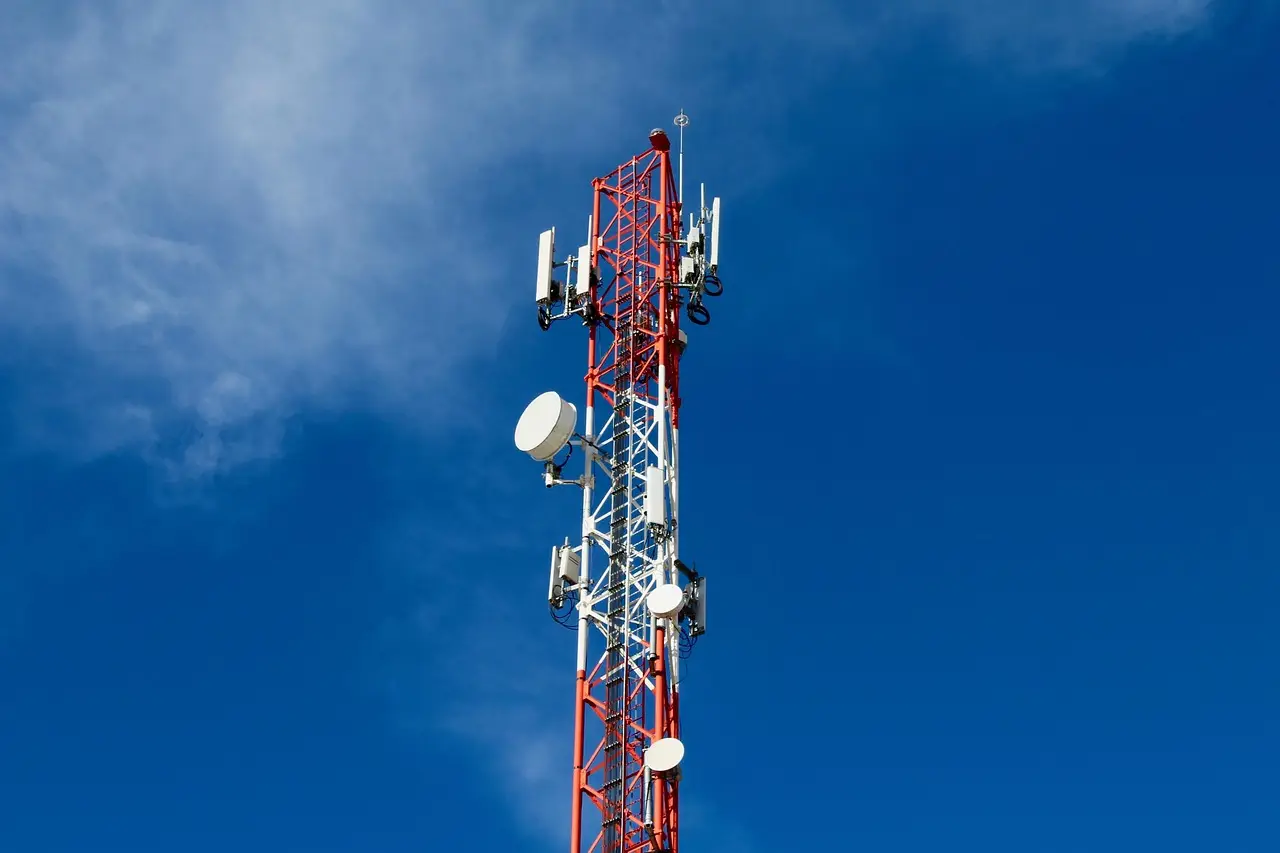
T-Mobile urged Washington on Thursday to accelerate 6G spectrum allocation and auctions, citing upcoming C-band 2.0 and 2.7 GHz mid-band spectrum.
The demand came at The Media Institute’s monthly public policy luncheon in Washington, D.C., where the wireless industry argued for more spectrum for 6G (next-generation wireless technology). T-Mobile’s remarks did not quantify the capacity shortfall or attach a launch date to the claim.
Cable’s parallel lobbying seeks to expand and protect unlicensed and shared mid-band spectrum. That shared focus links both industries to the edge, but it does not establish that the proposed uses are ready for deployment.
What does T-Mobile say 6G needs?
Edward ‘Smitty’ Smith, T-Mobile EVP and Chief Public Policy Officer, said, “Mid-band is the workhorse of modern wireless,” arguing that 6G could let base stations and radios carry communications while also behaving like radar.
That radar-like function could support remote sensing (detecting conditions in the physical world). Smith cited traffic lights that adjust in real time to address congestion.
These were proposed use cases, not announced services. The reported remarks did not specify a 6G timetable, spectrum requirement, performance benchmark or cost for the radar-like base stations Smith described.
Takeaway: Smith linked 6G’s physical-world uses to more mid-band spectrum, but supplied no delivery timetable or cost.
How does 6G connect to edge AI?
Smith framed 6G as infrastructure for the edge (computing performed close to the devices and machines that generate data). He said 6G could meet high-capacity needs at the edge as AI moves from the virtual world into physical operations.
His examples covered four areas:
- Remote sensing that detects conditions in the physical world.
- Traffic lights adjusted in real time to address congestion.
- High-capacity edge computing as AI moves into physical operations.
- Continuous communication for machines, robots and drones.
Smith did not quantify expected traffic from those devices or provide capacity estimates for the proposed applications. His case described a need, not a costed network plan.
Smith was more direct. “Washington must accelerate new spectrum allocation and auction because the spectrum we have today simply cannot support the capacity, critical businesses and applications,” he said.
He also urged Washington to stay on track for the upcoming C-band 2.0 and 2.7 GHz mid-band spectrum. The statement provided a clear direction for policy but no auction date, allocation volume or comparative capacity data for either band.
Takeaway: Smith says mid-band capacity is essential for edge workloads, but the size of that need remains unquantified in his remarks.
Why does cable care about the same spectrum fight?
Cable’s position overlaps with Smith’s on one point: both camps see the edge as a capacity challenge. Cable has argued that its multi-gig symmetrical speeds (equal upload and download rates) can power edge uses.
The shared use case helps explain why spectrum matters to both industries, even though their policy routes differ. Cable wants more unlicensed and shared mid-band spectrum; Smith wants faster new allocation and auctions.
The report did not supply a cable speed target, a detailed cable proposal or evidence comparing the two approaches. The overlap lies in the claimed need, not in demonstrated delivery.
Takeaway: Cable and T-Mobile agree that edge capacity matters, but they favor different routes to more mid-band spectrum.
What would make Smith’s case actionable?
The speech left several execution questions open: when 6G will arrive, how much spectrum it will require, and how Washington should allocate or auction the C-band frequencies Smith cited. The reported remarks supplied no answers to those questions.
That gap matters because Smith’s warning depends on both technical capability and a government process for releasing spectrum. More mid-band access will not itself prove that the remote-sensing and edge applications can operate as he described.
Takeaway: The next test is whether Washington turns Smith’s warning into a dated spectrum plan for C-band 2.0 and 2.7 GHz; his speech supplied neither a timetable nor capacity benchmarks.
via cablefax.com (Source)
More from Amara Osei
Show full bio
News editor covering people, launches and day-to-day practice in marketing, advertising, marketing technology, media, SEO and search at Marketing Herald.
362 articles
More on the wire
- T-Mobile Locks Mobile Ad Data To Vistar In Exclusive DOOH Deal
- Cable News Chains Midterm Plans to Streaming, Chatbots and Q&As
- Spectrum News Relaunches NECN Across Six New England States
- AI Agents Will Pick What Consumers Watch by 2027, Top Cable Execs Say
- FCC's 39% Broadcast Ownership Cap Repeal Heads to Court as Challenges Line Up