AMEC launches Value Through Data podcast on measurement
AMEC’s Value Through Data podcast starts with AI, input-based measurement and data interpretation. Johna Burke says the series will challenge assumptions, share evidence and define meaningful impact.
Wire notes
- AMEC launched the “Value Through Data” podcast series to examine measurement and better communications decisions.
- The first episodes cover two themes: AI’s impact on measurement and the shift from output-based to input-based systems.
- The episodes are available on YouTube, Spotify and Apple Podcasts, plus other podcast services.
- CEO and managing director Johna Burke says the series will challenge assumptions, share evidence and explore meaningful impact.
- AMEC invites communications-measurement innovators to contact its team to be considered as guests.
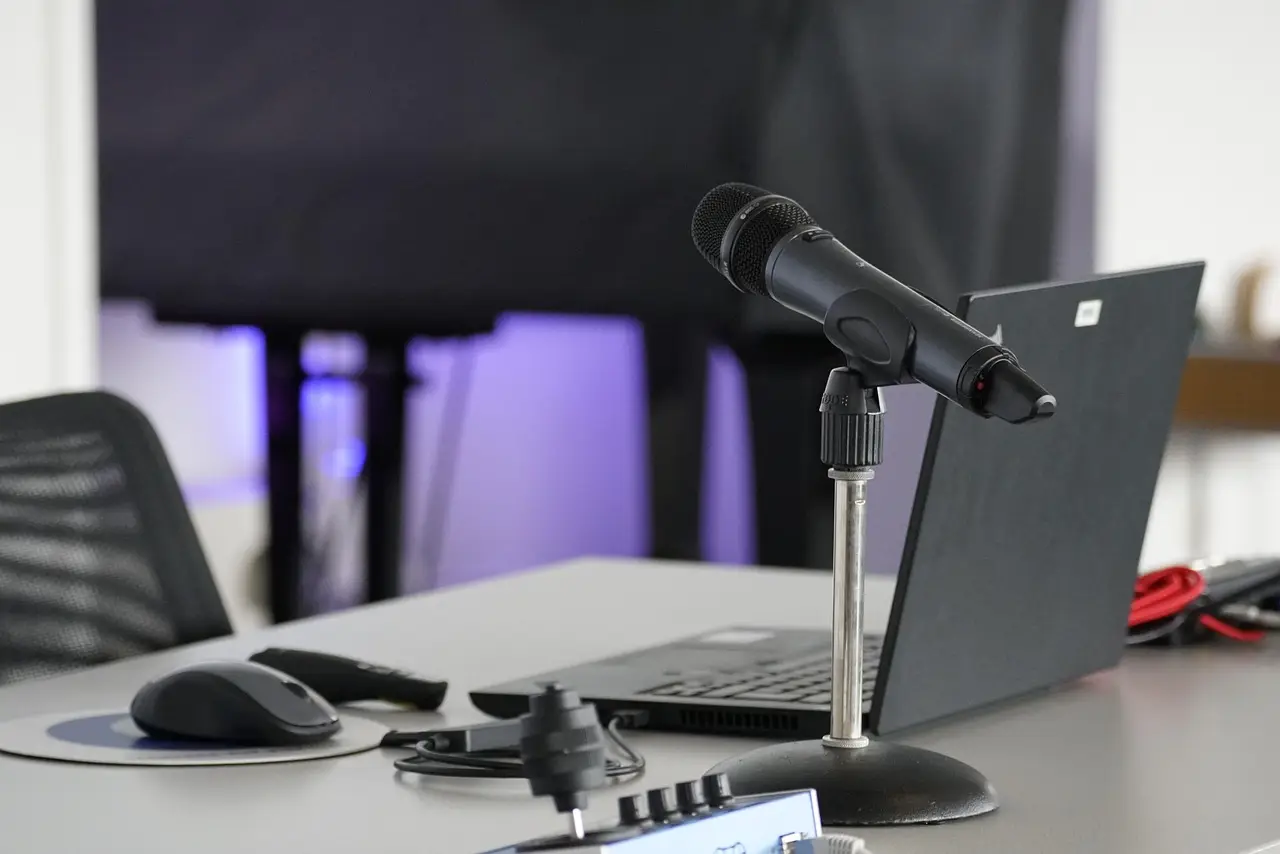
AMEC has launched “Value Through Data,” a podcast series about using measurement to improve communications decisions. Its first episodes address AI’s impact on measurement and the move from output-based to input-based systems.
AMEC, the international association for measurement and evaluation of communication, says the series examines how practitioners interpret data and use it to make better choices.
Johna Burke, CEO and managing director of AMEC, said: “There’s no shortage of data in communication. The challenge is knowing what it tells us, what it doesn’t and how to use it to make better decisions.”
Burke said: “That’s what Value Through Data is about. We’re bringing together people with different perspectives to challenge assumptions, share evidence and explore what meaningful impact really looks like.” AMEC’s stated editorial test combines plural perspectives, evidence and a clear definition of impact.
What does the launch change for measurement teams?
The practical change is a new discussion format for measurement teams. AMEC says the first episodes cover the impact of AI on measurement and the move from an output-based system to an input-based system. The announcement sets no new metric or reporting rule.
For practitioners, those topics create two prompts for evaluation reviews: how AI changes the evidence available to the team, and which inputs deserve attention before outputs are judged. The series offers a setting for evidence and debate rather than a prescribed answer. Its usefulness will depend on how directly those discussions connect to real measurement choices.
Users can find the first episodes on YouTube, Spotify and Apple Podcasts, as well as wherever they get their podcasts. AMEC’s distribution choice gives practitioners several ways to follow the series and compare its arguments with their planning and evaluation cycles. The emphasis remains on decisions informed by data.
AI appears in the launch as a measurement issue, not as a separate product announcement. AMEC identifies its impact on measurement as one of two subjects in the first episodes. No AI tool, vendor or automated workflow appears in the announcement; the stated emphasis falls on interpretation, assumptions and meaningful impact.
The output-to-input shift supplies the second major theme. AMEC says the first episodes cover movement from an output-based measurement system to an input-based system.
For practitioners, this reframes the starting point of a review: attention moves to the evidence and assumptions behind a result, not only the result itself. That is the practical meaning Burke assigned to using data to make better decisions.
AMEC also invites practitioners doing something innovative in communications measurement to contact its team to be considered as a podcast guest. The invitation gives AMEC a route to broaden the range of perspectives in the series and bring working experience to the measurement questions it plans to examine.
Burke’s description sets a clear editorial test: bring different viewpoints together, challenge assumptions, share evidence and examine what meaningful impact looks like.
Agencies, in-house teams and measurement specialists can use that test to judge how they apply the series to their own work. The practical value lies in a disciplined discussion of decisions and evidence, not in another claim that more data automatically produces clearer answers.
The next measure of the podcast’s success will be whether its discussions change how practitioners assess evidence and impact. AMEC has supplied the platform and the guest route; practitioners must bring working examples and evidence to the conversation.
via amecorg.com (Original)
More from Priya Raman
Show full bio
Correspondent covering people, launches and day-to-day practice in marketing, advertising, marketing technology, media, SEO and search at Marketing Herald.
370 articles
More on the wire
- Macnamara's Measurement Handbook: Five Lessons Comms Teams Can Use Now
- Nuveen Comms Chiefs: Outdated Channels Undermine Culture Claims
- Attribution Should Run Your AI, Not the Other Way Around
- Good comms work can hide a broken function, consultants warn
- 'Don't Outsource Your Judgment': Comms Leaders on AI