Alipay+ and WeChat Pay connect to Pix for Brazilian merchants
Alipay+ and WeChat Pay now connect to Pix, letting tourists scan Brazilian QR codes with their home apps. WeChat users pay in yuan; merchants receive reais.
Wire notes
- Weixin Pay announced its Pix connection on November 13; Ant International followed for Alipay+ on November 19.
- WeChat Pay users pay in yuan and Brazilian merchants receive reais after conversion.
- Alipay+ connects 2.1 billion user accounts to 150 million merchants globally across more than 50 payment services.
- Alipay+ already partners with 16 national QR-code payment systems in Asia, the Middle East and Latin America.
- A May 2025 currency swap framework between Brazil and China sets limits of R$ 157 billion and 190 billion yuan.
By Elena Vasquez
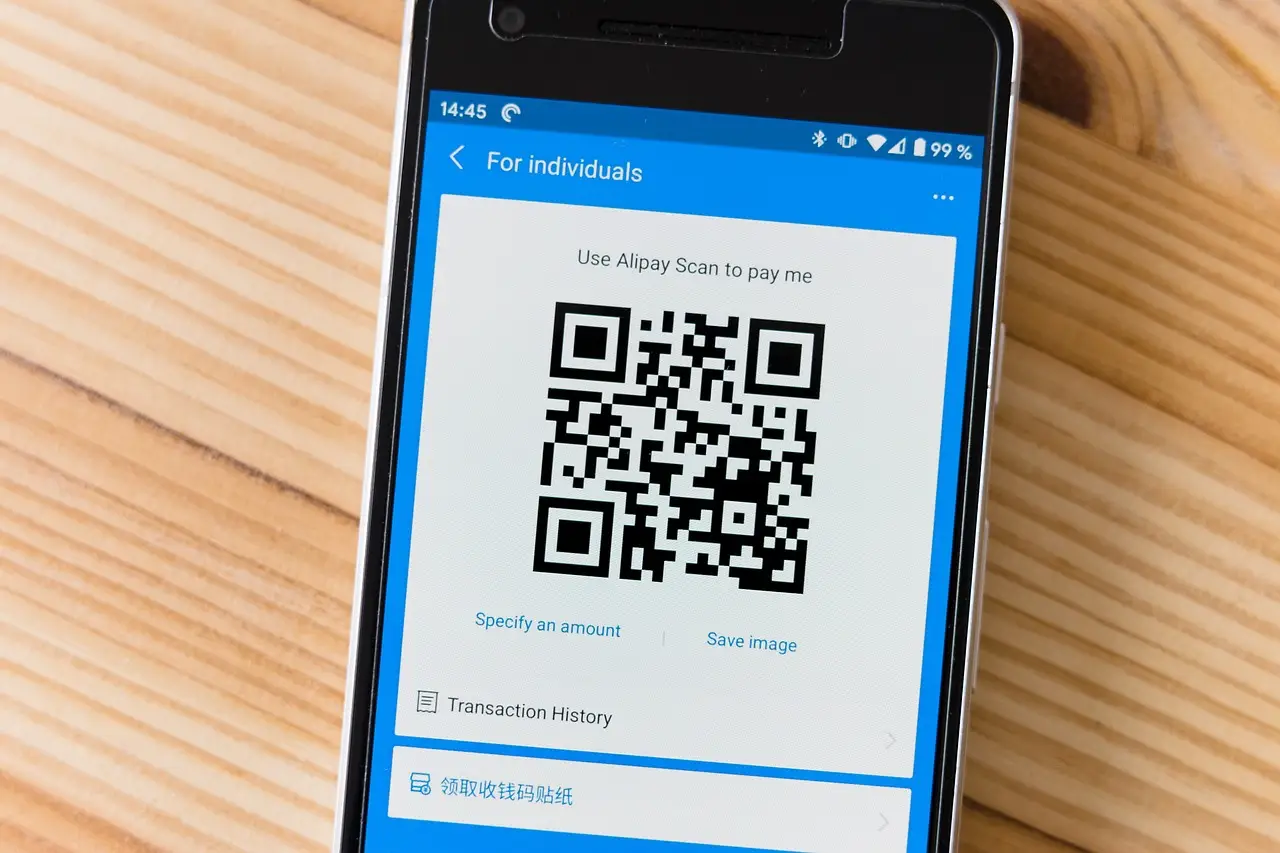
Tourists visiting Brazil can now pay with Alipay+ and WeChat Pay by scanning Pix QR codes, the two platforms announced in November. The integration removes the need for foreign visitors to download a Brazilian payment app or open a local bank account. Weixin Pay, the payment service inside the Chinese messaging app WeChat, announced its connection on November 13. Ant International, the operator of Alipay+, followed on Thursday, November 19. Both initiatives were built with local payment partners, according to the companies.
How does the payment flow work?
The mechanism differs between the two platforms. With WeChat Pay, Chinese tourists pay in yuan, China's official currency. The system converts the amount into reais, and Brazilian merchants receive the local currency directly. According to the company, the operation eliminates the need to exchange cash in advance or handle change during purchases.
The Alipay+ announcement is less specific. The company did not detail how currency conversion works or state which currency the consumer is charged in. It explains that the integration lets users of digital wallets and banking apps connected to its network pay by scanning Pix QR codes at Brazilian stores, restaurants and tourist attractions.
What scale does the Alipay+ network bring?
The two systems are structurally different. WeChat is a messaging app with an integrated payment service. Alipay+ works as a network that connects multiple digital wallets and banking apps, operated by Ant International across more than 50 payment services from different countries.
The scale is large. According to the company, the network links 2.1 billion user accounts to 150 million merchants worldwide. Those figures refer to the platform's global operation, not to Brazil specifically.
For Brazilian merchants that already accept Pix, the connection adds potential access to that user base without any new hardware. For travelers, it means continuity: they keep using the tools they already have on their phones, with no local account and no additional app.
The Pix integration also extends Alipay+'s international footprint. The network already maintains partnerships with 16 national QR-code payment systems across Asia, the Middle East and Latin America. Argentina and Chile count similar services among the countries in the region.
Why does the WeChat move matter beyond payments?
The WeChat announcement fits a broader pattern of financial convergence between Brazil and China. In January 2023, the central banks of both countries signed a cooperation memorandum on financial services, according to O Globo's report. The memorandum set out measures to facilitate operations in Chinese currency and expand information exchange.
In May 2025, Brazil's Conselho Monetário Nacional (the national monetary policy council) established the conditions for a currency swap agreement between the monetary authorities of the two countries. The proposal sets limits of R$ 157 billion in reais and 190 billion yuan. Its purpose is to make liquidity available to financial markets in situations of need.
For marketers, the immediate significance is transactional: Chinese travelers in Brazil can now complete purchases through the apps they already use, at any of the merchants accepting Pix. The deeper shift is infrastructure: two of Asia's largest payment ecosystems now plug directly into Brazil's instant payment rails, and the January 2023 and May 2025 agreements suggest regulators on both sides intend to keep widening that channel.
via oglobo.com (Source)
More from Elena Vasquez
Show full bio
Senior reporter covering technology and product news in marketing, advertising, marketing technology, media, SEO and search at Marketing Herald.
389 articles
More on the wire
- Fifa to Accept Pix Payments for 2027 Women's World Cup Tickets in Brazil
- Brazil's 'WhatsApp Bank' Magie Lands in Peru, Targets Majority Overseas Revenue by 2027
- Google Brings UCP Direct Checkout to AI Mode in Canada
- OpenAI Launches ChatGPT Wallet: AI Agents Shop Without Seeing Your Card
- Google UCP Update Lets Merchants Enable Cart Transfer to Site