MH-8829Advertising & Media
5.8 Billion Mobile Users: New Book Says AI Watched You First
Human Dot AI authors Joe Marchese and Jonathan Bing argue AI-driven ad tech spies on 5.8 billion mobile users, turning attention into the world's biggest business.
Wire notes
- 5.8 billion mobile phone users worldwide—70% of the planet—live a digital-first lifestyle
- Nearly half of all TV viewers have switched to streaming services such as Netflix and YouTube, per Nielsen
- Super Bowl commercials cost roughly $10 million per 30-second slot
- Human Dot AI by Joe Marchese and Jonathan Bing was published by Amplify Publishing in 2026
- Marchese founded true[X] and led ad revenue at Fox Networks Group; Bing held leadership roles at Netflix, 21st Century Fox and Vice
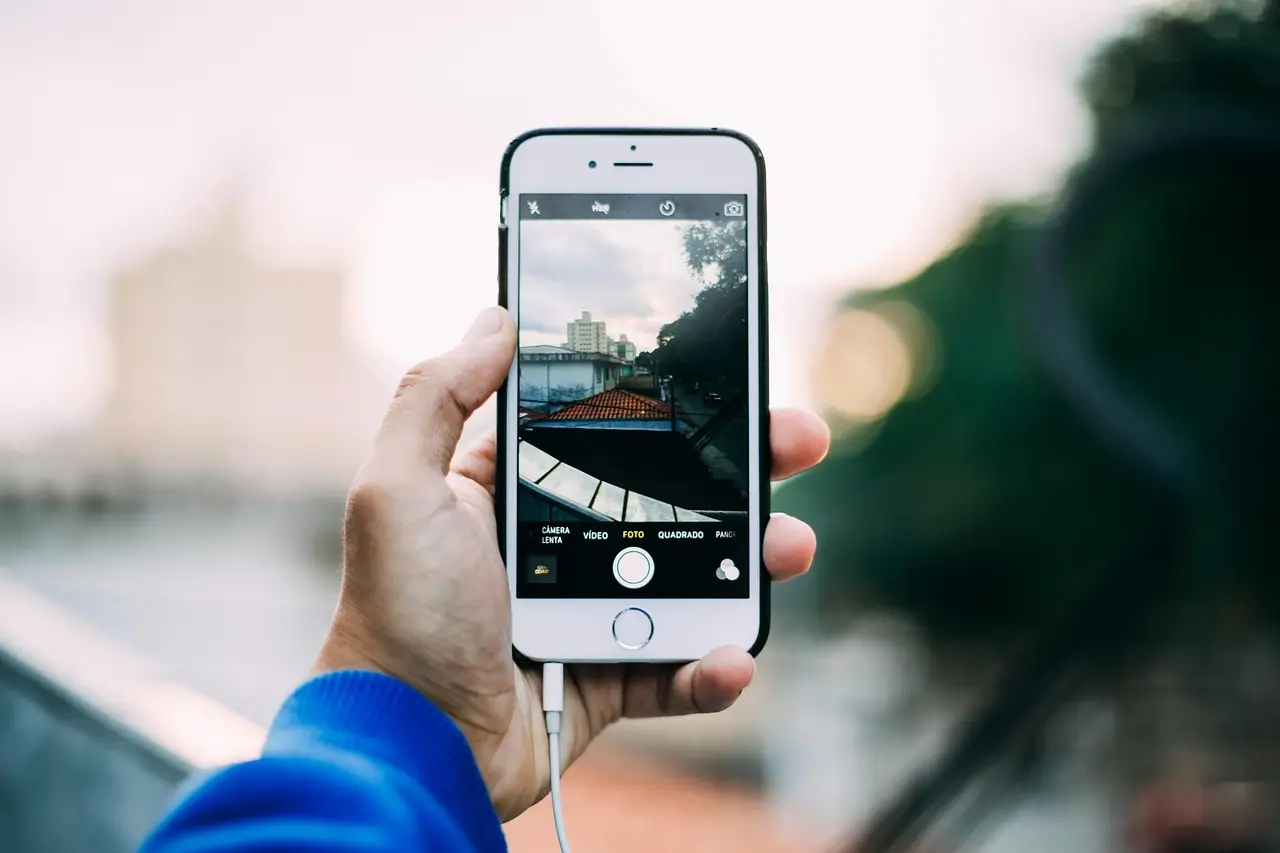
Some 5.8 billion people—70 percent of the planet's population—now live a mobile-first digital lifestyle, and a new book argues every one of them is being watched by advertising's AI.
Joe Marchese and Jonathan Bing make that case in Human Dot AI: How the Fight for Your Attention Became the World's Biggest Business, published in 2026 by Amplify Publishing. The book traces advertising from the Mad Men era of Madison Avenue to today's algorithm-driven feeds, and its thesis is blunt: AI-driven technology measures how you behave online, in the authors' words, "like a little spy watching your every move without your noticing."
Both authors carry serious industry credentials. Marchese is an entrepreneur and media executive, CEO of Human Ventures Holdings, co-founder of Casa Komos Brands Group and chairman of Groundswell. He founded true[X] and led advertising revenue at Fox Networks Group. Bing is a marketing and communications executive who held leadership roles at Netflix, 21st Century Fox and Vice, and has written for The New York Times, Los Angeles Times and Wired.
What changed between banner ads and feeds?
The early web was crude. Banner ads and pop-ups were, essentially, billboard marketing copied onto the World Wide Web, and a single image could take a minute or two to load pixel by pixel.
Then algorithms began scanning—and shaping—behavior. The length of time a user watched a video or stopped scrolling to "read more" became the metric for advertising effectiveness. Social media stopped being a place to connect and became a place to advertise, with ads embedded directly in the content. Consumer engagement became the name of the game, and pop-ups gave way to the gamification of social media consumption.
In a recent video call, Marchese admitted that consuming social media today "is like watching television"—but not the shared, synchronous experience of the pre-internet era. Asynchronous viewing has made watching programs isolating.
Where did the audience go?
According to Nielsen, the global leader in measuring audience behavior, nearly half of all TV viewers have switched to streaming services such as Netflix and YouTube. Live TV's hold now rests largely on events like the Super Bowl, where legendary commercials run at roughly $10 million per 30-second slot—often as memorable as the game itself.
The shift created two problems, the authors argue: a lack of editorial supervision and machines' lack of understanding of humans. Content is no longer about bringing people together but about keeping people engaged—and enraged.
Can algorithms replace human connection?
The authors' answer is no. "[N]o algorithm can replace what happens when people come together around something real—a shared experience, story, or glass," they write. An algorithmic life, they argue, flattens intimacy, commercializes our need for connection and monetizes the desire to love and be loved. An algorithm doesn't care why a user is engaged; it feeds more of the same.
The authors' stated goal is to "restore a sense of agency, choice, and control over the time and attention that algorithms are not designed to give you."
Their prescription is digital hygiene. Attention-grabbing is as old as the industry itself—from the town crier to the social feed, brands have yearned for attention. But the final decision, they write, still belongs to humans: we get to decide if we give it or not.
For marketers, the book's so-what is uncomfortable: the machinery built to capture attention may be the very thing eroding the shared human connection advertising was invented to speak to.
via psychologytoday.com (Source)
More from James Calloway
Show full bio
Market editor covering technology and product news in marketing, advertising, marketing technology, media, SEO and search at Marketing Herald.
288 articles
More on the wire
- Perplexity Moves to Strengthen Creator Marketing Leadership
- Gaming Site Turned Bot-Detection Tech to Find Its 18% Ad-Blocking Audience
- AI Visibility Draws $180M as ROI Measurement Still Lags
- Forbes joins Google's paid News AI pilot for citation data
- Agency Chiefs Name the One Change They Want in the Next Year