MH-8364Advertising & Media
Trade-show survival kits become hands-on brand experiences
Royston, Salesforce and Rootstock turn survival kits and self-care stations into practical trade-show brand experiences from NACS 2026 to Dreamforce 2025.
Wire notes
- At NACS 2026, Royston assembled a five-item branded survival kit with a QR code linking to its website.
- At ASCO 2026, organizers placed a Survival Station near registration for arriving attendees.
- At HIMSS 2026, Salesforce’s Self-Care Station offered trail mix and electrolytes.
- At Dreamforce 2025, attendees built survival kits from a curated selection of conference essentials.
By Tom Whitfield
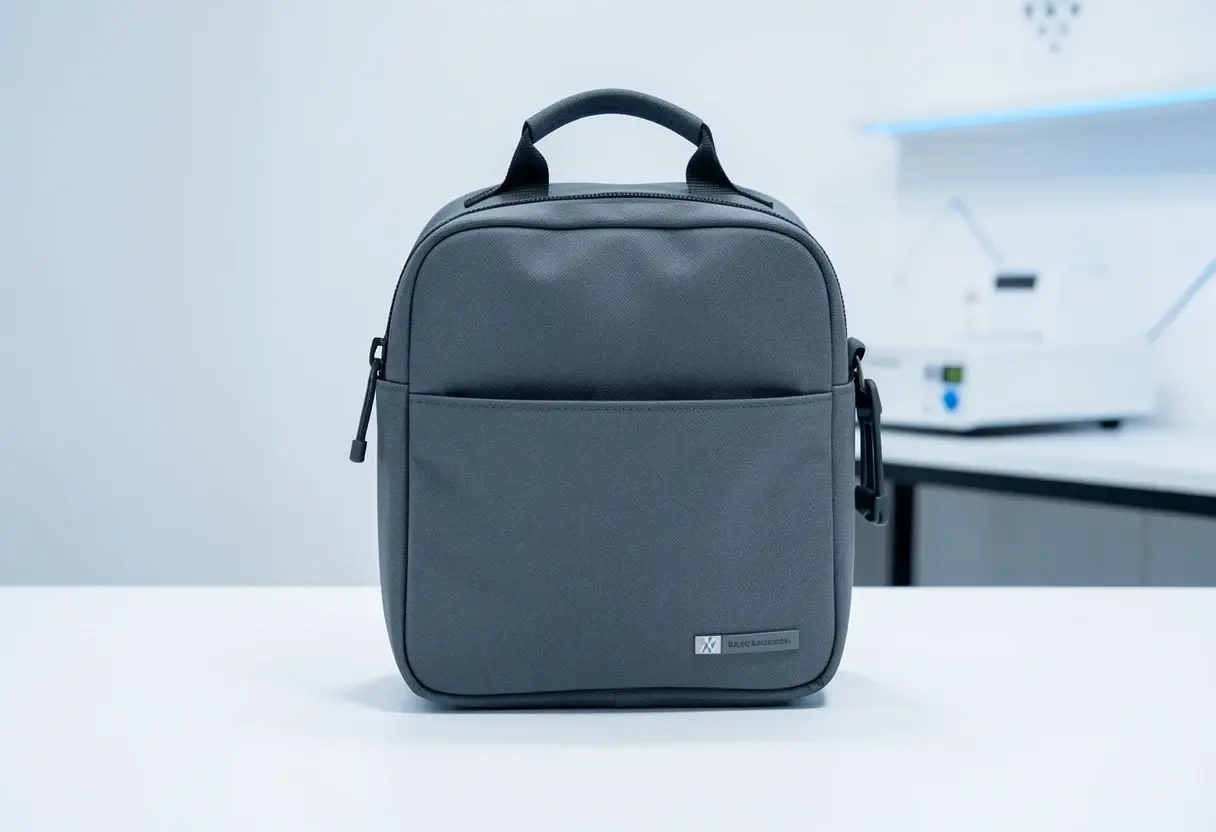
Five items made up Royston’s Tradeshow Survival Kit giveaway at NACS 2026: a branded green tea hand sanitizer, a mini lip balm, Tic Tac mints, Tylenol and Liquid I.V.
Royston, a modular and special cabinet solutions company, chose the kit rather than candy or plushies. A QR code on the back of the branded pouch linked to the company’s website.
Royston Group marketing manager Kim Jackson said: “We’ve done this show several times, and these things always come in handy.” She added: “The only thing we didn’t add was hangover relief, but Liquid I.V. pretty much covers that, too.”
Event Marketer identifies blisters from walking the show floor, coffee stains and the mid-afternoon energy crash as recurring problems during marathon trade-show days.
What makes an attendee survival kit useful?
Dayana Arzumanova, manager of meetings and special events at IAAPA North America, builds kits around a combination of:
- Emergency medicine, Band-Aids, and Tide to Go or stain remover sticks.
- Electrolyte packets and small snacks such as granola or protein bars.
- General event supplies such as pens and sticky notes.
Depending on the audience, she sometimes adds hair scrunchies and additional feminine hygiene items. Outdoor events call for sunglasses and sunscreen.
Arzumanova said: “I think that it’s always gone over really well because it’s those last-minute details that people tend to forget or leave out when packing and prepping.”
She typically orders branded merchandise from a provider but prefers to assemble the survival kits herself. She buys supplies from Target or the Dollar Store to add a personal touch and keep costs down.
“I like to think that making it yourself gives it that added touch, even if it requires a little extra time spent,” Arzumanova said. Her checklist focuses on the small gaps attendees tend to leave when packing and preparing.
How are brands turning attendee care into engagement?
At ASCO 2026, organizers placed a Survival Station near registration, making extra help readily available from the moment attendees arrived.
At HIMSS 2026, Salesforce took a similar approach with a Self-Care Station, where attendees could refuel with trail mix and electrolytes.
At Dreamforce 2025, Rootstock invited attendees to build their own survival kit from a “curated selection of conference essentials,” building engagement into care.
Together, the three examples make attendee care an active part of the event experience. The takeaway is plain: useful support placed where attendees need it can become a deliberate brand interaction.
Which tools do event professionals carry?
Event Marketer’s broader roundup includes power banks, box cutters, energy gels, personal lanyards and an “emotional support thermos” that holds hot and cold drinks.
Jordan Kaye, founder of Analog Events & Agent Analog, said: “I always have a pack of gummies, particularly Haribo twin snakes, in my backpack.”
MK Granados, director of revenue optimization, North America, at Informa Markets, does not travel to Las Vegas trade shows without a portable humidifier. She said: “I run it overnight in my room and at my computer when I’m stationary.”
Hairspray is a must-have for Marc Tannenhaus, senior production manager at MoonLab, because it helps gaff tape stick better to carpet. Tannenhaus jokes that carrying it is especially funny because he is bald.
The practical takeaway is straightforward: portability, job function and personal habit determine what people actually carry.
What should brands plan for next?
Brand planners can use Arzumanova’s baseline as a practical starting point: medical and stain treatment, hydration and food, general event tools, and audience- or venue-specific additions.
The NACS 2026, ASCO 2026, HIMSS 2026 and Dreamforce 2025 examples offer three delivery choices: a preassembled branded giveaway, a service station or a kit attendees customize.
The next wave of trade-show activations can pair immediate attendee relief with a deliberate brand action, as Royston did with a QR code, Salesforce with refueling and Rootstock with self-built kits. Royston’s QR-coded pouch, Salesforce’s refueling stop and Rootstock’s self-built kit offer a concrete model for future campaigns: solve an immediate need, then make the brand part of the solution.
via eventmarketer.com (Source)
More from Tom Whitfield
Show full bio
Staff writer covering companies, deals and strategy in marketing, advertising, marketing technology, media, SEO and search at Marketing Herald.
360 articles
More on the wire
- Jack in the Box Bets on Collectibles as Value Equation Shifts
- Food Brands Cling Onto Bag Charms as Branded Merch Goes Miniature
- Cotopaxi Drops New Products Every Other Day Ahead of BFCM
- Challenger CPG Brands Reshape Category Marketing as Deal Value Doubles
- Aperitivo Culture Becomes Experiential Marketing's Newest Alcohol Trend