Tallulah Willis deletes photo of father Bruce Willis, reigniting elder privacy debate
Tallulah Willis, 32, apologized for posting then deleting a photo of father Bruce Willis, 71, diagnosed with frontotemporal dementia, reviving debate on adult children exposing elderly parents online.
Wire notes
- Tallulah Willis, 32, apologized after deleting a photo of her father Bruce Willis, 71
- Bruce Willis is diagnosed with frontotemporal dementia
- The episode highlights 'reverse sharenting': adult children exposing elderly parents
- Nívea Bordin Chacur, CEO of Residencial Club Leger in São Paulo, provided the expert commentary
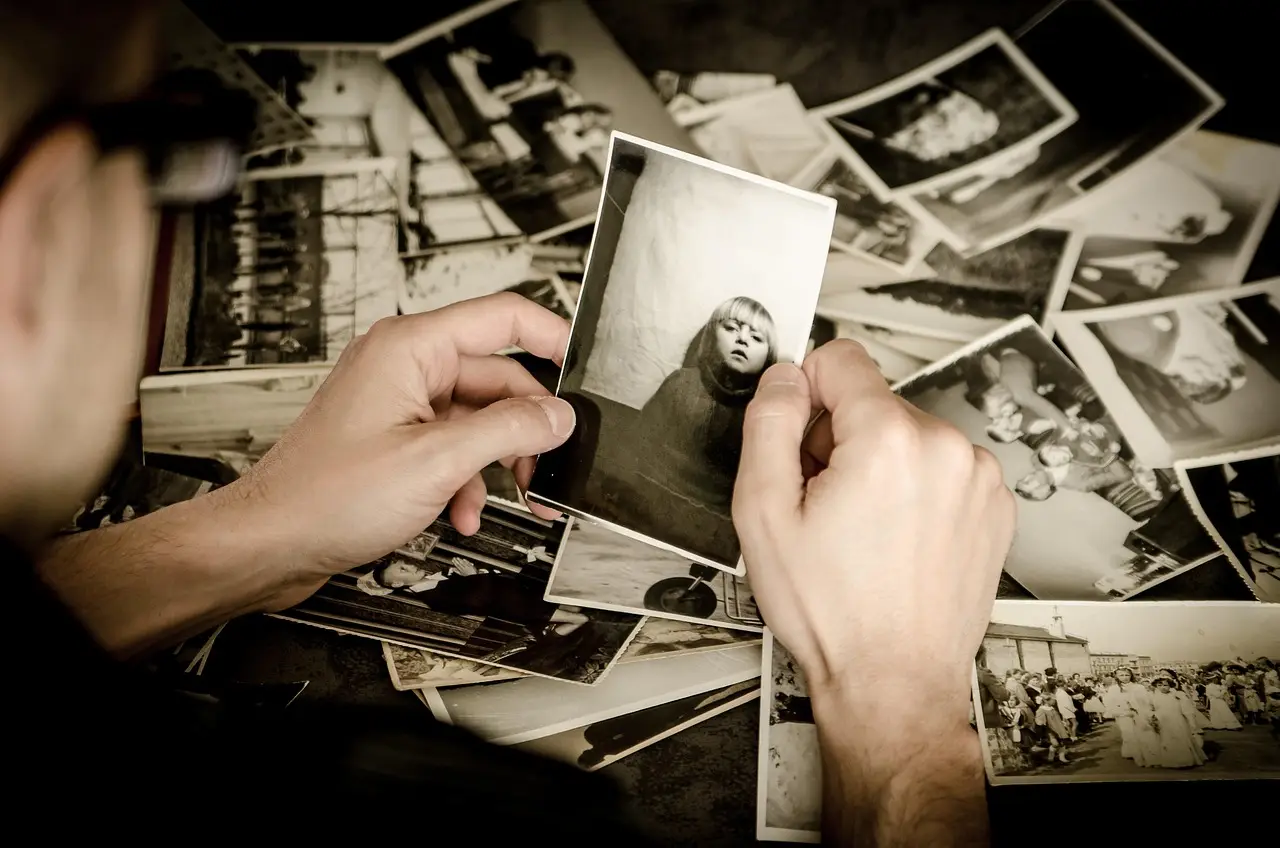
Tallulah Willis, 32, publicly apologized after posting and then deleting a photograph with her father, Bruce Willis, 71, because she judged she had shared an intimate moment that belonged to him alone. The actor has a diagnosis of frontotemporal dementia, and the episode has pushed a growing dynamic into public view: adult children exposing their elderly parents on social media.
Practitioners call the original phenomenon sharenting — parents over-sharing images and information about their children. In old age, the flow reverses. As parents age or develop health problems, children begin accompanying them to medical appointments, organizing medications and helping with daily activities. That closeness raises a boundary problem that many families have not yet named.
Nívea Bordin Chacur, a physician and CEO of Residencial Club Leger in São Paulo, frames the stakes directly: "Estamos falando de uma pessoa que construiu uma identidade ao longo de décadas, teve uma carreira, cultivou amizades e estabeleceu seus próprios limites de intimidade. Assumir a responsabilidade pelo cuidado dos pais não significa assumir o controle sobre a imagem deles."
What changes when cognition is impaired?
The question takes on another dimension when cognitive decline is present. Records of forgetting episodes, disorientation, emotional crises or caregiving moments can be published without the person portrayed understanding the reach of the exposure. What one family member reads as an affectionate memory or an attempt to share an experience may register, for the person in the image, as an invasion of privacy.
"Um vídeo que parece engraçado ou comovente para os filhos pode mostrar uma situação que os pais jamais escolheriam tornar pública. Mesmo quando existe uma perda de autonomia, é fundamental respeitar os valores, as preferências e a personalidade daquela pessoa", Nívea said.
What does this change for families who share?
Consent sits at the center of the answer. Difficulty communicating or a loss of autonomy does not mean the person has stopped having preferences about their own image. Before posting, the source advises families to weigh three questions: does the relative understand the situation, would they agree to publication, and what is the purpose of the exposure.
Where the goal is keeping relatives informed about health or sharing routine moments, private conversations and family group chats can serve that function without making the content accessible to a wider audience.
Nívea draws the operative line for caregivers: "Existe uma diferença entre dividir uma experiência como cuidador e expor a vulnerabilidade de quem está sendo cuidado. Os filhos têm o direito de contar suas próprias histórias, mas precisam compreender que a intimidade dos pais não pertence exclusivamente a eles."
The Willis episode, with a daughter correcting course in public, gives families a visible template for that judgment call before the next post.
via oglobo.com (Source)
More from Priya Raman
Show full bio
Correspondent covering people, launches and day-to-day practice in marketing, advertising, marketing technology, media, SEO and search at Marketing Herald.
421 articles
More on the wire
- Brazilian Influencer Rhayssa Martins Puts Her Twins Before the Feed
- Prison-visit vlogs by inmates' partners draw millions of views
- When Life Becomes Content: Virginia Fonseca and the Business of Intimacy
- Brazil's ANPD Upholds Discord Livestreaming Ban in Unanimous Ruling
- Viih Tube says leaving influencing feels like grief after 4 years of doubt