MH-9942PR & Comms
Subway's Internal Comms Playbook: Short Messages, Regional Relays
Subway caps franchisee messages at 150 characters, relays them through field staff and regional town halls, and sends breaking news via WhatsApp in Latin America.
Wire notes
- Subway caps franchisee messages at roughly 150 characters, per Mahogani Chery, senior director of global communications and culture.
- Subway operates almost 23 different markets in Latin America alone, each receiving region-specific daily messages.
- Corporate field staff reprint franchisee-feed posts during weekly restaurant visits as a backup channel.
- Latin American franchisees receive major news via WhatsApp links because they use the feed less often.
- Monthly town halls in each region, recorded for absentees, are run by regional presidents.
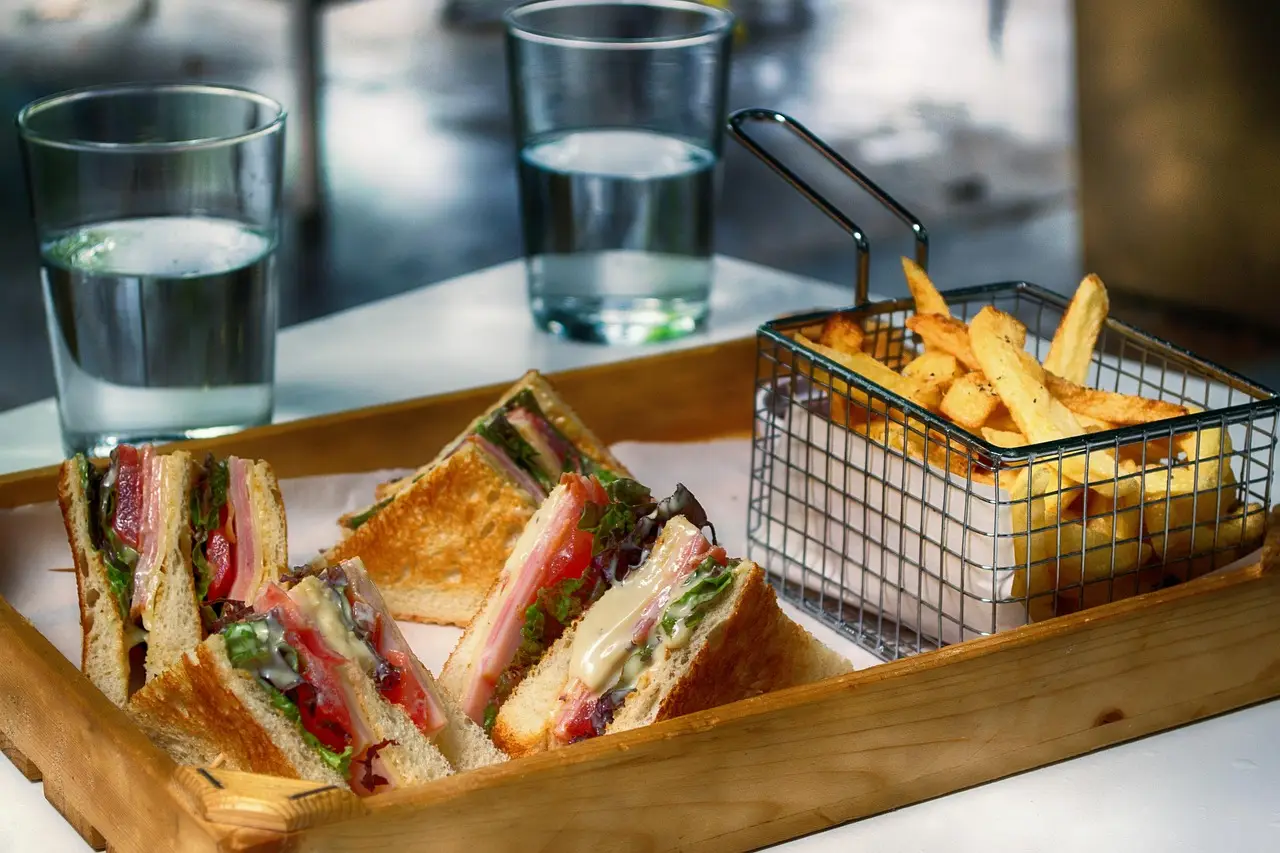
Subway's senior director of global communications and culture says franchisees want no more than 150 characters per message. "If it fits on Twitter, it fits in their world, because they don't want more than 150 characters," Mahogani Chery told Ragan. "They need to know what their main information is and how it's going to work for them. The days of long emails are over."
The constraint shapes how one of the world's largest restaurant chains runs internal communications. At Subway, most store operators do not work for the company writing the messages. Franchise owners hear about a headquarters initiative, then decide for themselves whether to run it.
"Every franchisee is different," Chery said. "When you have corporate stores, you can run your business the way that you want to. When you have multiple franchisees, what works for one franchisee may not work for another."
How does Subway segment its channels?
Employee channels — the company intranet and a global weekly newsletter — run separately from the messages that reach franchisees and their restaurants. Franchisee messages go out daily from regional leaders, and what lands in front of an owner depends on where they operate.
"There may be something happening in the U.S. that's not happening in Canada because our products change at each location," Chery said. "In Latin America, we have almost 23 different markets. There might be something happening in Colombia that's not happening in Mexico, and that's completely different from what's happening in Puerto Rico."
The takeaway: geography, not a single global calendar, drives the message schedule.
Who carries the message into the restaurant?
A post on Subway's franchisee feed is only the first leg of a message's trip. In the U.S., the same post goes to Subway's managers and directors of franchise performance — corporate field staff who visit restaurants through the week.
"When our franchisees get them, so do the people on the corporate side," Chery said. "As they make their field visits and market visits through the week, they are also disseminating this information into the restaurants. They can print out the information for the franchisees or restaurant managers so they can see what they missed. Franchisees can decide whether or not they're going to use that."
Looping field staff in at the same time as owners means every restaurant visit backs up the feed. Monthly town hall meetings add a safety net: the top leader in each region meets that region's franchisees. "You can or cannot join, and it will be recorded if you are not able to attend," Chery said. "If there's something that you happen to miss because there's too much on the feed, it will be given to you by our regional presidents."
Where do franchisees actually look for news?
Latin American locations get the same monthly town halls, plus one extra channel reserved for major news. "A lot of franchisees in Latin American countries do not go on the feed as much," Chery said. "They'll use a messaging service like WhatsApp. So we'll send a link saying, 'Hey, did you see this Halloween promotion?' which hits their cellphones immediately. If it's that important, we'll send it that way instead of following all the other channels."
The rule is to ask where owners in each market already look for news before deciding how to reach them — and the answer changes from one franchisee to the next.
"When I'm reaching out to the new, eager couple who really wants to make this successful, I can reach out to them through messaging apps and new-age technology," Chery said. "When I'm reaching out to older franchisees who have had 20 years of experience making their restaurant successful in their own way, you need to meet them where they are."
How does Subway handle messages that need depth?
Brevity governs every channel. Longer messages get routed through a link to more information. Chery also recommends video messages or printable tutorial guides, so owners don't have to sit at a laptop or stay on their phone to absorb the full scope of what corporate is telling them.
"I always say snackable, but make sure it's digestible," she said. "That way, people can take it, read it, digest it and move on for action or no action on their end."
For communications teams at franchised businesses, the model is blunt: segment by market, push through field staff, add regional town halls, deliver big news on the app owners actually use, and keep every message short enough to skim between customers.
via linkedin.com (Original)
More from Tom Whitfield
Show full bio
Staff writer covering companies, deals and strategy in marketing, advertising, marketing technology, media, SEO and search at Marketing Herald.
280 articles
More on the wire
- Subway CMO Jeff Klein on Growth in a Crowded QSR Field
- McDonald's Targets Billion-Dollar Media Network as It Rethinks Marketing
- Marriott Bonvoy Delivered a 15-Destination Creator Campaign in Four Weeks
- Versant and AMC Global Media Plot Their Escape Routes From Linear TV
- Ikea's CMO: LLMs Turn Every Corporate Word Into Brand Copy