MH-2998Retail Media & Commerce
Retro Consoles Hit R$100,000 as Brazil's Retrogaming Boom Outgrows the Pandemic
Retro console prices in Brazil have surged since the pandemic, with rare editions reaching R$100,000. Collectors aged 30-40 chase original hardware as physical media fades.
Wire notes
- Rare retro consoles in Brazil reach prices above R$100,000, dealers say.
- A boxed Super Nintendo sells for up to R$3,000; a loose unit R$300-R$700.
- One dealer sells about 200 original SNES cartridges per week via WhatsApp auctions.
- The SNES sold roughly 49 million units globally against the Mega Drive's 30 million.
- Sony will stop manufacturing physical PlayStation game discs in January 2028.
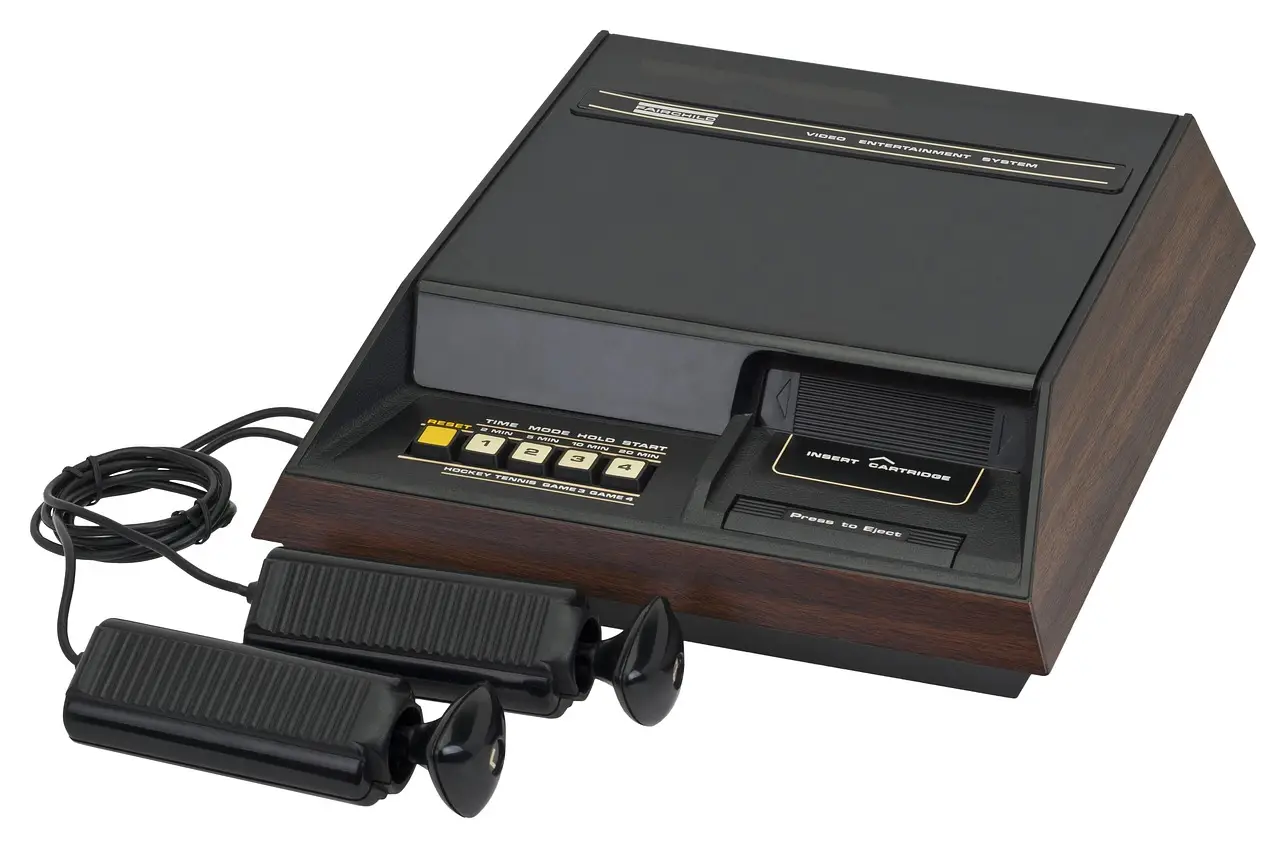
Rare retro consoles now change hands in Brazil for more than R$100,000, and dealers say demand has not stopped climbing since the pandemic. "Talvez tenha sido o mercado que mais avançou," said Elton Barrez, 49, owner of Casa do Videogame in São Paulo and one of the country's best-known retrogaming figures. "A pandemia alavancou o videogame retrô de uma forma absurda."
The boom has a precise inflection point. In March 2021, as vaccination slowed Covid-19, the US magazine Antique Trader put vintage videogames on its cover as "the next big thing." Valarie McLeckie, an executive at auction house Heritage Auctions, told the publication: "Nunca duvidei do potencial deste mercado, mas ninguém imaginaria que ele se desenvolveria a esse ponto e tão rapidamente."
Why did buyers come back?
Barrez, known in the community as Tiozão, points to lockdown time and nostalgia among buyers now aged 30 to 40. "As pessoas estavam em casa, sobrava aquele tempo que gastavam no trânsito. Só Netflix já não era suficiente," he said. "O retrô teve um crescimento muito maior do que os videogames atuais."
His shop sits in Brooklin, in southern São Paulo. Customers want original hardware despite emulators and cheap multi-game devices. "Você tem todos os jogos em emuladores, ou no celular, ou nesses pen drives da China que têm 75 milhões de jogos. Mas o sentimento é diferente com o console original," Barrez said. Many buyers could not afford consoles in the 1990s. Now they can.
Journalist Pablo Miyazawa, author of "Nintendistas," a history of Nintendo in Brazil, frames physical media as resistance to an all-digital market. Sony has said it will stop pressing PlayStation discs in January 2028. "Havia uma fila de 1.500 pessoas para comprar a versão física, e a digital já estava disponível," Miyazawa said of the remake launch of "The Legend of Zelda: Ocarina of Time." "As pessoas estão dando um recado para a indústria."
How high have prices gone?
Scarcity plus nostalgia has inflated prices across the board. Jailson Trino Lemos, 42, runs Patrulha dos Games, a WhatsApp community of more than 500 members, from Campo Grande and sells only Super Nintendo hardware and games.
- "Um Nintendo 64 edição especial do Pikachu, que você comprava não tem muito tempo por R$ 1 mil, hoje sai por R$ 3 mil," Lemos said.
- He sells roughly 200 original SNES cartridges a week. Auctions start at R$150, with R$5 increments, and can reach R$300. A lot of 30 "Donkey Kong" cartridges sold mostly above R$400 each.
- A loose Super Nintendo console fetches R$300 to R$700; a boxed one can reach R$3,000. Lemos plans to open a physical Patrulha dos Games store in São Paulo next year.
Mr. Games in Piracicaba, São Paulo state, stocks more than 300 consoles and 6,000 games. Owner Giovani Gandelim, 55, known as Gilão, lists the grails:
- Magnavox Odyssey, the world's first console, in its case: R$15,000
- Sega Dreamcast Resident Evil special edition: R$30,000 to R$40,000, with only 200 blue units made worldwide
- Neo Geo AES, boxed and complete: R$7,000 to R$12,000
Lemos adds an SNES Killer Instinct special edition at up to R$8,000, a special-edition Halo Xbox at up to R$80,000, and a Japan-and-Europe-only PlayStation 2 painted with automotive paint above R$100,000.
Does the Nintendo-Sega war still matter?
The 16-bit rivalry still shapes what sells. Nintendo, founded in Kyoto in 1889 by card craftsman Fusajiro Yamauchi, launched the Famicom in 1983. Sega, descended from US company Service Games, answered with the SG-1000 the same year and the Master System in 1985. Sega struck first in the 16-bit era with the 1988 Mega Drive; Nintendo counter-punched in 1990 with the Super Nintendo.
The Super Nintendo remains the collector's favorite. "Super Nintendo é um fenômeno. Se tiver dez aqui, vendemos os dez," Barrez said. Gilão prefers the Mega Drive but concedes the point: "O Super Nintendo é um pouco mais poderoso, de construção melhor." Globally the SNES sold about 49 million units against the Mega Drive's 30 million.
The next generation brought the Sega Saturn in November 1994 and the Nintendo 64 in 1996. Both lost ground to Sony's PlayStation. Barrez cites the math: a PlayStation CD held 700Mb against the Nintendo 64 cartridge's 64Mb, and pirated PS1 discs — three for R$10 against R$300 for a legitimate Saturn game — made the fight unequal.
Commercial failures at the turn of the millennium, the 1998 Dreamcast and 2001 GameCube, failed to dent Sony's lead. Yet the Dreamcast has its defenders. "Era à frente do tempo dele," Barrez said, noting its Windows operating system, online play and modem support. The lesson for marketers is straightforward: nostalgia, scarcity and the pending death of physical media have turned 1990s hardware into a durable, premium-priced category in Brazil, with dealers now expanding into physical retail.
via oglobo.com (Source)
More from Tom Whitfield
Show full bio
Staff writer covering companies, deals and strategy in marketing, advertising, marketing technology, media, SEO and search at Marketing Herald.
346 articles
More on the wire
- Fashion Brands Raid Their Own Archives to Win Gen Z
- A Laptop Sticker Auction Made $9,000. Now It Is a Marketplace.
- GTA VI Launches November 19 With $1 Billion Budget and $3 Billion at Stake
- 92% of Social Comments on Caixa's New Brand Are Negative
- Brands Ship Disposable Cameras to Escape Polished Social Feeds