MH-5061Advertising & Media
Republicans' $400 Million Anti-Trans Ad Blitz Failed, Pollster Finds
Republicans poured over $400 million into anti-trans ads. GQR polling shows 65% of voters wanted less trans coverage and only 3% of GOP voters cited the issue.
Wire notes
- Republicans spent over $400 million on anti-trans midterm ads: about $240M broadcast TV, $100M cable, $50M+ online, per HRC's AdImpact tabulation.
- GQR's election-eve survey of 750 voters found 58% called the GOP's focus on transgender people "strange and over the top."
- Only 3% of Republican voters named trans issues as a reason for their vote; 65% of all voters wanted to hear less about the topic.
- HRC says LGBTQ+ voters are 12% of the electorate and projected to reach 20% by 2040.
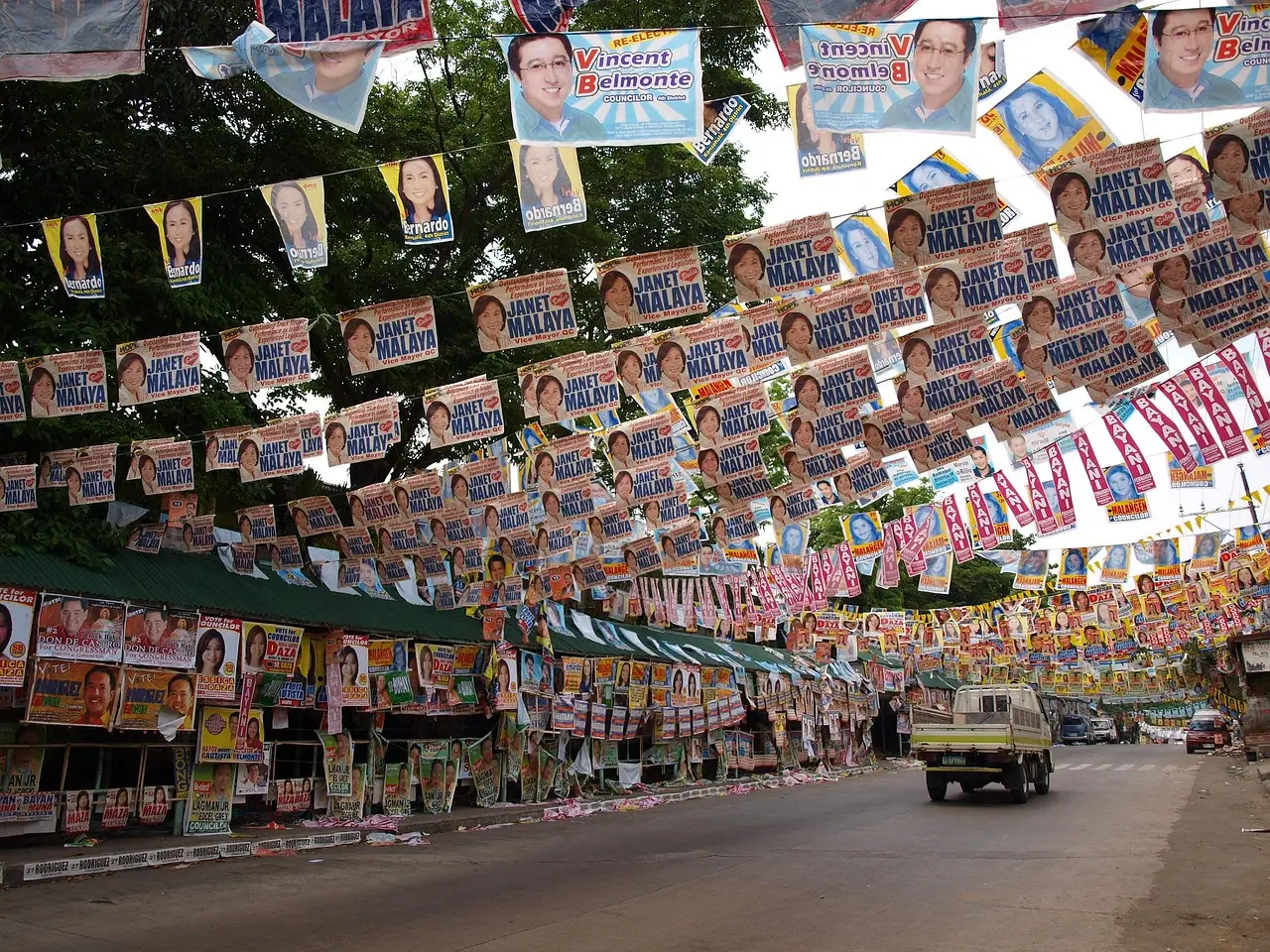
Republicans spent more than $400 million on anti-trans advertising in the midterm elections, and 58% of voters judged the party's focus as "strange and over the top," according to an election-eve survey of 750 voters by the polling firm Greenberg Quinlan Rosner (GQR).
"Anti-trans politics was a flop this election," Rep. Sarah McBride (D-DE), the first out transgender member of Congress, told a Monday press briefing. "They were a flop in 2025." The GQR findings, presented at the briefing by senior partner Anna Greenberg, were consistent with national exit polling.
What did the survey actually find?
GQR's survey tested reaction to ads criticizing Democrats for "allowing people who were born as men or transgender people to compete in women's sports" or "allowing gender changing surgery on children." Forty-seven percent of voters nationwide found the ads persuasive — including 72% in Ohio and 66% in Texas.
Persuasion did not translate into motivation. Asked why they backed Republican candidates, only 3% of Republican voters mentioned trans issues. Two percent cited trans women in sports. One percent mentioned gender-affirming surgery for children.
Oversaturation was the bigger problem. Sixty-five percent of voters said they wanted to hear less about trans issues; 14% wanted more. By contrast, 62% wanted more discussion of the cost of living, 62% of fraud and wasted taxpayer money, and 52% of politicians getting rich in office. Forty-two percent wanted more on data centers or Iran, 40% on AI, and 32% on immigration.
How big was the ad spend?
The $400 million figure comes from the Human Rights Campaign's tabulation of AdImpact data covering campaigns nationwide, an HRC spokesperson said. It breaks down into roughly $240 million on broadcast TV, $100 million on cable, and more than $50 million online.
"The other side bet on $400 million of anti-trans ads," HRC President Kelley Robinson said at the briefing. "It was an effort to distract voters from the affordability crisis, and it backfired." She noted that even Florida Gov. Ron DeSantis (R) said trans issues did not motivate voters.
"Not only [are anti-trans ads] ineffective," Greenberg said, "not only do a majority of people think it's strange and over the top, but most people don't want to hear anything else about it. And I think obviously the election results speak for themselves in terms of the power of that issue."
Why does the message still land in places?
The rejection of anti-trans ads did not extend to ballot measures. Colorado passed a gender-affirming care ban for trans minors by initiative, and both Colorado and Washington voted to bar trans children from school sports.
"We've made it through the battle, but we're not at the end of this war," Robinson said, predicting conservatives will keep weaponizing queer and trans lives for political gain.
She pointed to marriage equality as the template. That fight took roughly 30 years, spanning the federal Defense of Marriage Act and 36 statewide ballot measures in 32 states — 33 approved, three defeated — before the 2022 Respect for Marriage Act repealed DOMA. In the latest cycle, 60% of Virginia voters backed a constitutional amendment protecting marriage equality.
"I think that we'll be successful if we shorten the time that it takes to get to full equality for trans folks too," Robinson said.
What comes next for Democrats and HRC?
Over the next two years, Robinson listed congressional Democrats' top priorities:
- Passing the Equality Act, because "if you can be fired for who you are at work, that's an economic issue."
- Restoring funding for HIV care and research, housing, and Medicaid, starting with the December 11 funding deadline.
- Holding the Trump administration accountable, beginning with Defense Secretary Pete Hegseth's push to remove trans troops.
At the state level, she urged newly elected Democrats to strip anti-LGBTQ+ language from laws and constitutions. LGBTQ+ voters are 12% of the electorate today, Robinson said, and estimates put that at 20% — one in five voters — by 2040. The demographic shift only matters, she argued, if votes can be cast and counted.
via lgbtqnation.com (Source)
More from Tom Whitfield
Show full bio
Staff writer covering companies, deals and strategy in marketing, advertising, marketing technology, media, SEO and search at Marketing Herald.
299 articles
More on the wire
- $12 Billion of Political Ads Bought a GOP Wipeout in 2026
- Three of Four Candidates Behind 2026's Nastiest Ads Lost
- Data Center Messaging in Political Ads Jumped 61% Last Month
- Queer media pioneer Tracy Baim maps a survival plan for LGBTQ+ press
- 80% of COVID Stories on Hispanic People Cited No Latino Source