MH-4034Retail Media & Commerce
RadioShack finds new footing with retro electronics and 170 dealers
RadioShack now counts 170 authorized dealers and is primarily online. Three years into Unicomer ownership, the brand is drawing demand for retro-style products modeled on Realistic.
Wire notes
- RadioShack now has 170 authorized dealers and is primarily an online business.
- Unicomer Group, based in El Salvador, bought the brand in 2023.
- Retail Ecommerce Ventures acquired RadioShack in 2020, two years after its second bankruptcy.
- RadioShack had more than 7,000 stores at its peak, according to USA Today.
- After three years under new ownership, demand for retro products mimicking Realistic has been overwhelming.
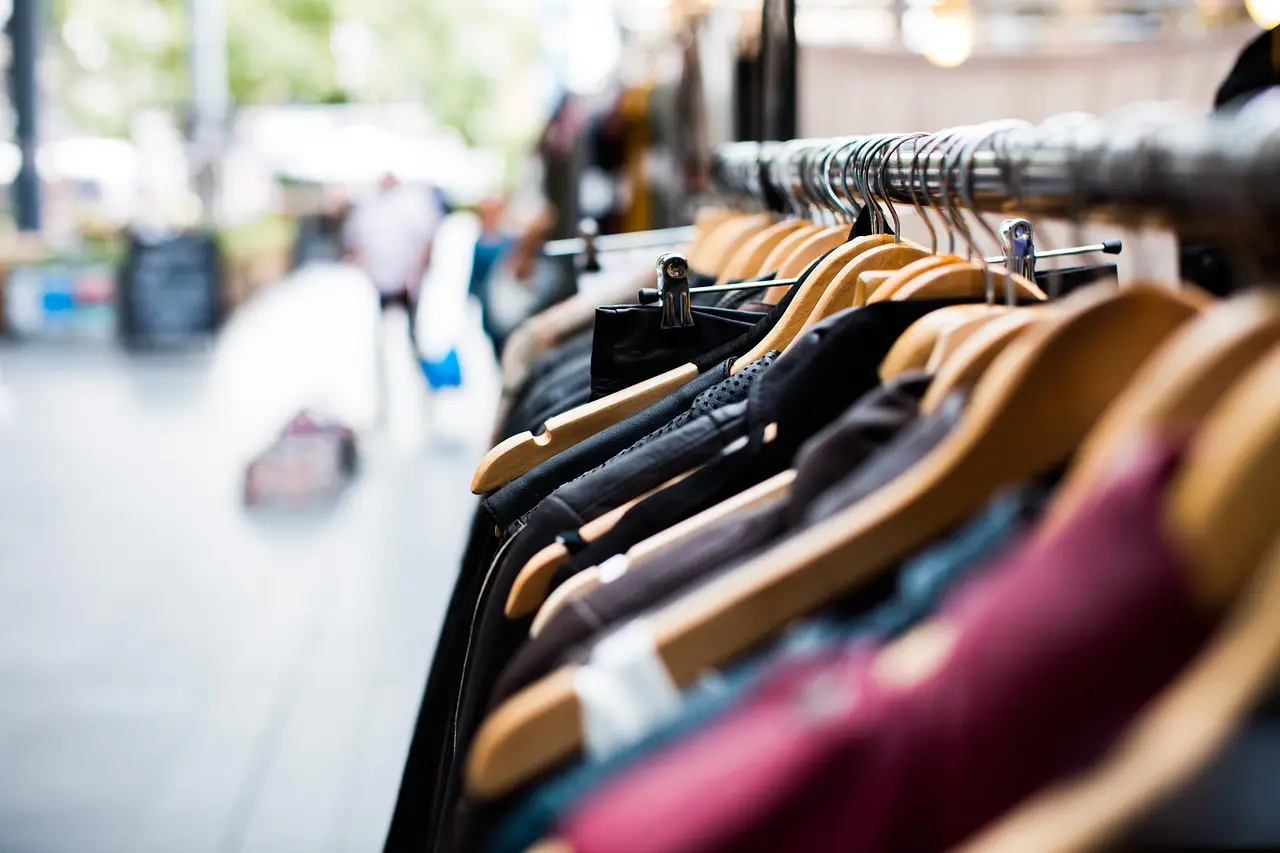
RadioShack now has 170 authorized dealers and is primarily an online business. USA Today previously reported that the company had more than 7,000 stores at its peak.
The account frames the turnaround around product demand rather than store expansion. Under current ownership, buyers have shown “overwhelming demand” for retro-themed electronics that mimic RadioShack’s former Realistic house brand, the report says. After three years under new ownership, the commercial case rests on renewed interest in products tied to the brand’s past.
Who controls RadioShack now?
Retail Dive reported that RadioShack franchisee Unicomer Group, based in El Salvador, bought the RadioShack brand from Retail Ecommerce Ventures in 2023. Retail Ecommerce Ventures had acquired the brand in 2020, two years after RadioShack’s second bankruptcy.
The current account describes three years under Unicomer as a period in which RadioShack has found its footing in retro-themed electronics. The ownership timeline shows a brand that has moved through two owners since 2020. The latest owner’s model pairs a smaller authorized-dealer network with strong demand for a distinct product theme.
Plainly, Unicomer bought RadioShack after a bankruptcy and found strong demand for products tied to its history.
Why are retro products central?
The source reports “overwhelming demand” for products modeled on Realistic, RadioShack’s former house brand. The description gives the current range a reference point in RadioShack’s own history, even though the report does not name the individual products driving demand.
For marketers, the two pieces work together: the product theme gives the assortment a clear identity, while the 170-dealer, online-led network defines the route to market. The underlying facts are simple: demand centers on retro products, and 170 dealers sell RadioShack products.
The current evidence breaks into four points:
- Demand: The source characterizes demand for retro products as “overwhelming.”
- Product cue: The retro electronics resemble those of the former Realistic house brand.
- Route to market: RadioShack has 170 authorized dealers and is primarily online.
- Missing proof: The report gives no sales total, revenue figure, dealer growth rate, store-opening count or online share.
The evidence establishes a strong demand signal, but not the financial size of the business. The report supports a conclusion about product appeal and distribution structure, not a claim about total sales performance.
How does this compare with the old network?
USA Today reported that RadioShack once had more than 7,000 stores at its peak. Today’s figure of 170 authorized dealers sits against that much larger peak, though the two measures cover different structures and should not be treated as a direct, like-for-like store count.
The source does not say how many dealers are franchised, how many opened after Unicomer took control or where any of them operate. Nor does it provide the online share of sales. Those omissions limit the precision of the turnaround story.
Even so, the scale shift is clear. RadioShack has moved from a peak network of more than 7,000 stores to a 170-dealer system that is primarily online. Its current proposition is not a return to the old store footprint; it is a smaller authorized channel tied to a focused retro range.
Plainly, the comeback is happening through 170 authorized dealers and online sales, not through a return to thousands of stores.
What would confirm the comeback?
The next phase needs harder evidence on three fronts: dealer growth, online revenue and sustained demand for Realistic-style products. The current report gives a strong qualitative demand signal but no unit sales, revenue or customer-retention figures.
Unicomer’s ownership makes the missing numbers more important. The company acquired RadioShack in 2023 after Retail Ecommerce Ventures bought it in 2020, two years after the second bankruptcy. The next test is whether the brand can retain dealers and online customers while turning strong interest in retro products into measurable, durable sales.
The evidence now supports a comeback built around product demand and a changed distribution model. It does not yet show the sales scale needed to call the turnaround complete.
via retaildive.com (Original)
More from James Calloway
Show full bio
Market editor covering technology and product news in marketing, advertising, marketing technology, media, SEO and search at Marketing Herald.
238 articles
More on the wire
- Walmart's Marketplace Grew Nearly 50% as Brands Multi-Channel for Holidays
- Owned-Channel Focus Slips Ahead of 2026 Holiday Season
- Challenger CPG Brands Reshape Category Marketing as Deal Value Doubles
- TikTok Shop Wants to Be More Than a Sales Channel, Marketers Say
- Ecommerce Agencies Buy Three TikTok Shop Specialists