Procon-RJ flags 261 irregular e-commerce sites ahead of Black Friday
Brazil's Rio de Janeiro consumer protection agency identified 261 suspicious shopping sites and fined 13 for violations days before Black Friday, citing discounts that never applied.
Wire notes
- Procon-RJ identified at least 261 suspicious shopping sites ahead of Black Friday.
- 13 sites were formally cited (autuados) for consumer rights violations, with the state consumer defense secretariat Sedcon.
- Inspections took place Tuesday, covering retail, telecom and tourism, including booking platforms and airlines.
- The non-recommended list was set to keep updating until the official Black Friday date on Friday.
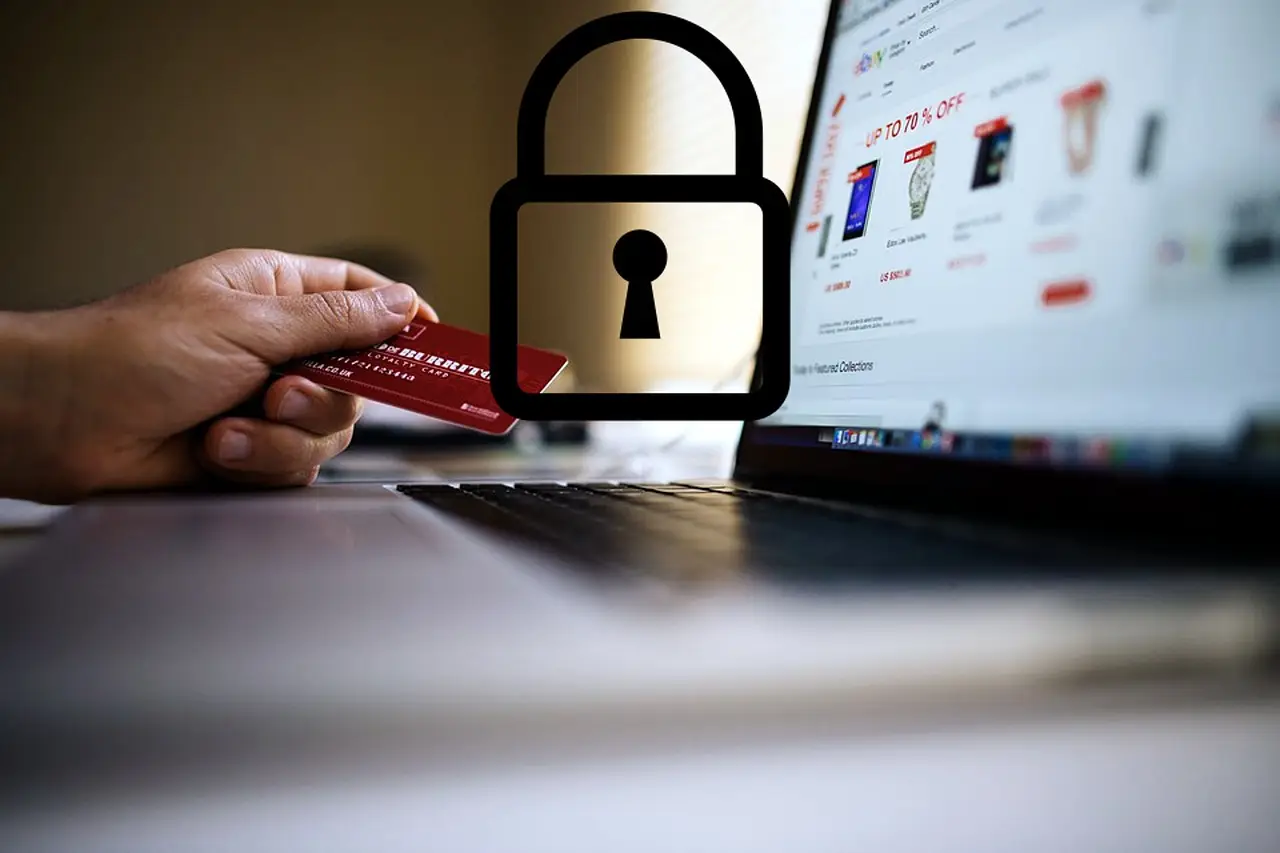
Brazil's consumer protection agency Procon-RJ flagged at least 261 suspicious e-commerce sites in a sweep run days before Black Friday, and formally cited 13 of them for consumer rights violations. The enforcement action, carried out jointly with the state consumer defense secretariat Sedcon, targeted retail, telecom and tourism companies, including accommodation platforms and airlines. The list of non-recommended sites was set to keep updating until Friday, the official date of the promotion event.
Inspectors carried out the sweep last Tuesday. What they found reads like a catalogue of conversion tactics that fail under scrutiny.
- Advertised discounts that did not apply at the moment of purchase.
- Promotional offers that stopped working when a consumer simulated a contract, a practice the agency said may constitute misleading advertising.
- Missing essential information, such as the supplier's CNPJ registration number and physical address.
- Service channels operating fewer hours than the law requires.
- Installment amounts displayed in larger type than the total product price, which can distort a buyer's perception of the real cost.
What does this change for brands?
The enforcement signals where Brazilian regulators draw the line during the country's biggest shopping event. Consumer agencies said the failures do not necessarily mean the sites are fraudulent, but they compromise transparency and can make post-purchase problem resolution harder. For legitimate merchants, that distinction matters: the sweep is aimed at compliance breakdowns, not just scams.
The post-sale experience came under particular scrutiny. At one inspected address, the consumer service (SAC) phone number could only be found after navigating multiple pages, was presented with instructions in another language, and carried an indication that the call would be charged at international rates. Some platforms offered no support of their own and directed consumers straight to manufacturers or sellers.
The consumer agencies also published practical guidance for shoppers, which doubles as an informal compliance checklist for retailers:
- Check the site's reputation on complaint portals such as consumidor.gov.br and confirm clear company information including CNPJ, address and phone number.
- Look for the HTTPS padlock in the address bar and watch for URLs that imitate major brands with small alterations. Free tools include Reclame AQUI's Detector de Site Confiável, Site Confiável, NordVPN's link checker and ESET Link Checker.
- Treat extremely low prices as a warning sign of possible fraud.
- Avoid purchases from public networks such as internet cafés and public computers.
- Never send document copies during a purchase, even if the seller requests them.
- Prefer credit cards, which offer protection against non-delivery and improper charges.
Procon-RJ said updates to the non-recommended list would be published through the official Black Friday date, meaning more citations could follow as inspections continue.
For marketing teams running Black Friday campaigns in Brazil, the message from Rio de Janeiro's regulators is operational: pricing display, discount delivery and service-channel accessibility are now enforcement triggers, not just UX details.
via oglobo.com (Source)
More from Priya Raman
Show full bio
Correspondent covering people, launches and day-to-day practice in marketing, advertising, marketing technology, media, SEO and search at Marketing Herald.
414 articles
More on the wire
- Fake GTA VI Preorder Scam Charges Real Price, Tests Platform Liability
- Brazilian Black Friday: order volume outruns ticket as shoppers trade down
- Black Friday 2026: 51% of Brazilian Capital Consumers Plan to Shop
- Brazil's Black Friday 2026 to move R$11.52 billion, CNC projects
- Court Suspends Caixa Ad Contracts Worth R$760 Million