MH-3082Retail Media & Commerce
Otiumberg Grew Sales 30% With Zero Investment and an 800-Strong Waitlist
Otiumberg, founded by sisters Christie and Rosanna Wollenberg in 2016, grew sales 30% last year with no outside investment and an 800-person waitlist for its £180 Roscida Heart earrings.
Wire notes
- Otiumberg grew sales by 30% last year with no outside investment.
- The £180 Roscida Heart earrings sold out on launch in August with an 800-person waiting list.
- Covid-era orders rose 80%, fulfilled by Rosanna Wollenberg from her flat.
- Sisters Christie and Rosanna Wollenberg founded the brand in 2016 from their London flat.
- Pieces are priced from £70 for a silver chain to £3,000 for a gold necklace.
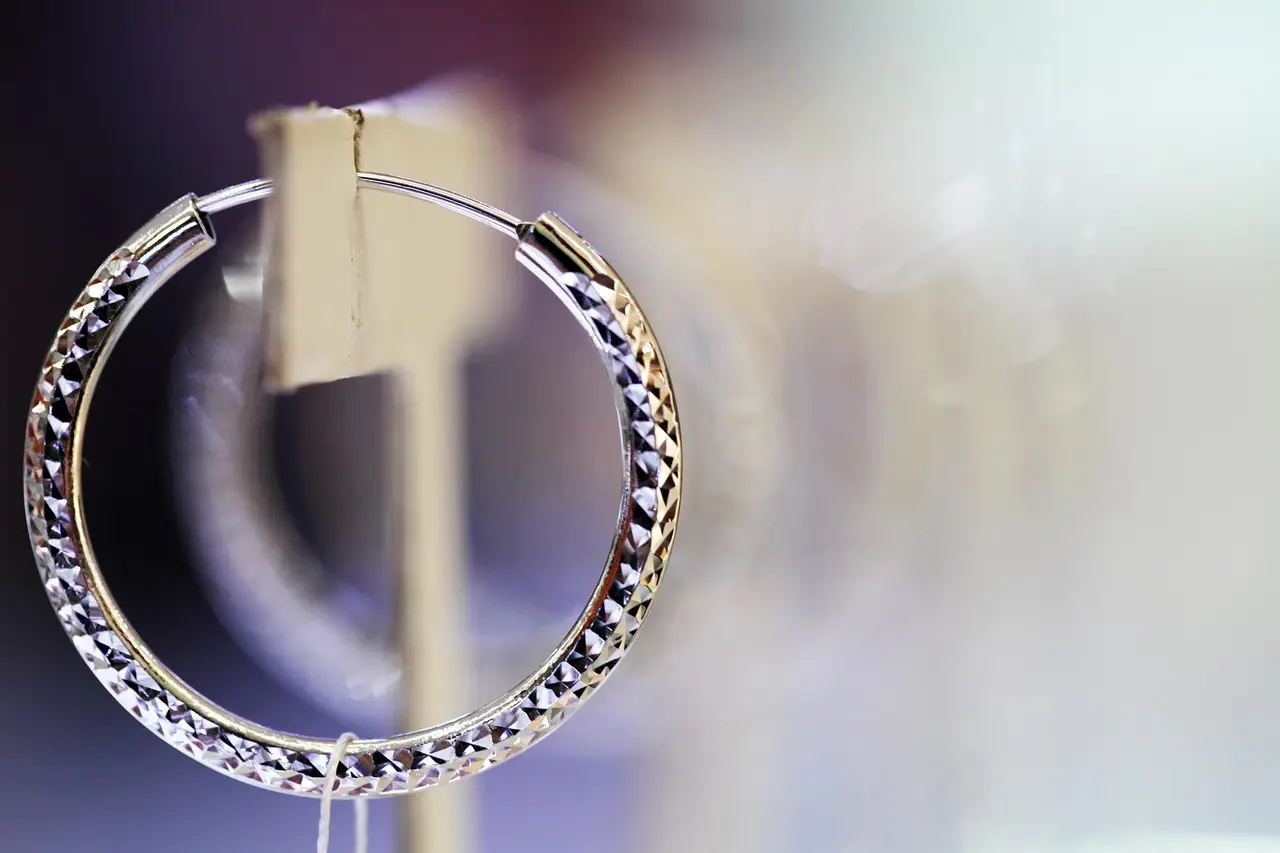
London jewellery brand Otiumberg grew sales by 30% last year without taking a single pound of outside investment, and its £180 Roscida Heart earrings sold out on launch in August with an 800-person waiting list.
Founders Christie and Rosanna Wollenberg launched the label from their London flat in 2016. Christie, now 41, had worked at Burberry and Louis Vuitton; Rosanna, 39, worked in art and branding in London and New York. "We wanted a brand that was somewhere between Tiffany and Topshop – but back then, there was nothing," Christie said.
The name combines the Latin oti, meaning leisure, with "berg" from their surname. The first collection covered vermeil, nine-carat gold and silver earrings, necklaces, cuffs and bracelets at accessible prices. "We aimed to be a designer brand for everyday wear," Christie said.
How Big Is the Business Now?
The sisters have just opened their second London store, on the King's Road. Their clients include Olivia Colman, currently a face of Miu Miu, and fellow actors Jessie Buckley, Paul Mescal and Margot Robbie. Customers range from 20-somethings to women in their seventies, buying pieces priced from £70 for a silver chain to £3,000 for a gold necklace. Current pieces include the Heart Loop drop earrings at £175, the Interlock pendant necklace at £190 and the Slim citrine domino ring at £495.
What Tested the Founders Early?
Christie had her first son two weeks after the first collection launched. "I was so tired," she said. One summer evening, counting stock in her flat, she left the doors open when she went to sleep. Waking to feed the baby, "I suddenly went cold. The jewellery wasn't there." Someone had climbed in and taken everything.
The sisters started out "as total outsiders who knew nothing" in a closed, male-dominated market, Christie said, and "you needed a lot of grit to make your way through and build contacts. We figured things out on the ground."
They have never taken investment. Both kept full-time jobs at the start; Christie had three babies in 10 years. During Covid, when orders rose by 80%, Rosanna fulfilled each order from her flat after coming home from work. "Our father is an entrepreneur and the son of immigrants, so he instilled a strong work ethic in us," she said.
How Did They Question the Market's Norms?
At launch, affordable jewellery meant vermeil (gold-plated silver) while high-end pieces sat at 18-carat and above. The sisters built an everyday line in nine-carat instead. "It has a beautiful, soft colour and it's super long-lasting," Rosanna said. They matched the vermeil gold to the nine-carat so customers could wear both together. On the trend for mixing silver and gold, Christie said: "That's something we've always done. I did that on my wedding band, way before Otiumberg."
Who Runs What?
The pair live next door to each other in mirror-image houses they designed and built in south London, and meetings often happen in their living rooms. Rosanna is head of brand and responsibility; Christie is creative director, drawing inspiration from how women wear jewellery "on the Tube or in a gallery". Otiumberg is a B Corp and uses recycled and single-mine-origin precious metals.
Products evolve organically. The Roscida collection began as a simple hoop, then expanded into black versions and fine jewellery. Some bestsellers are eight years old and designed to work with newer pieces. Every piece is tested for ease of wear. "If we don't love it, we don't wear it, then it doesn't get sold," Christie said.
The sisters say they have been their own customers from day one, and that focus on everyday wear at accessible price points has carried a decade of self-funded growth. With a second store open and waitlists still forming, the brand enters its tenth year on its own terms.
via graziadaily.co.uk (Source)
More from Tom Whitfield
Show full bio
Staff writer covering companies, deals and strategy in marketing, advertising, marketing technology, media, SEO and search at Marketing Herald.
336 articles
More on the wire
- Victoria's Secret Pink Launches 'Mini Bar' Beauty Collection With Nine Brands
- Sephora, Béis and Gap Marketers Explain Loyalty Without Virality
- TikTok Shop Wants to Be More Than a Sales Channel, Marketers Say
- Knix's ACOTAR Lingerie Line Sold Out 4 Styles in 12 Hours
- Tiffany bets half a million reais on Brazil as high jewellery sales surge