FAA Meltdown Shows Why Silence Is the Costliest Crisis Tactic
An FAA ground stop, bank outages and NSA failures put crisis communications to the test. Dan Rene says the White House reassurance campaign arrived days too late.
Wire notes
- Transportation Secretary Sean Duffy blamed aging switches, routers and telecom equipment for the FAA ground stop.
- The administration is seeking as much as $50 billion to modernize air traffic control.
- Homeland Security Secretary Markwayne Mullin said with '98% certainty' the incidents were not a cyberattack.
- Recent outages affected major banks, Apple, United Airlines and the NSA.
- L3Harris faces questions over its role in FAA telecommunications modernization.
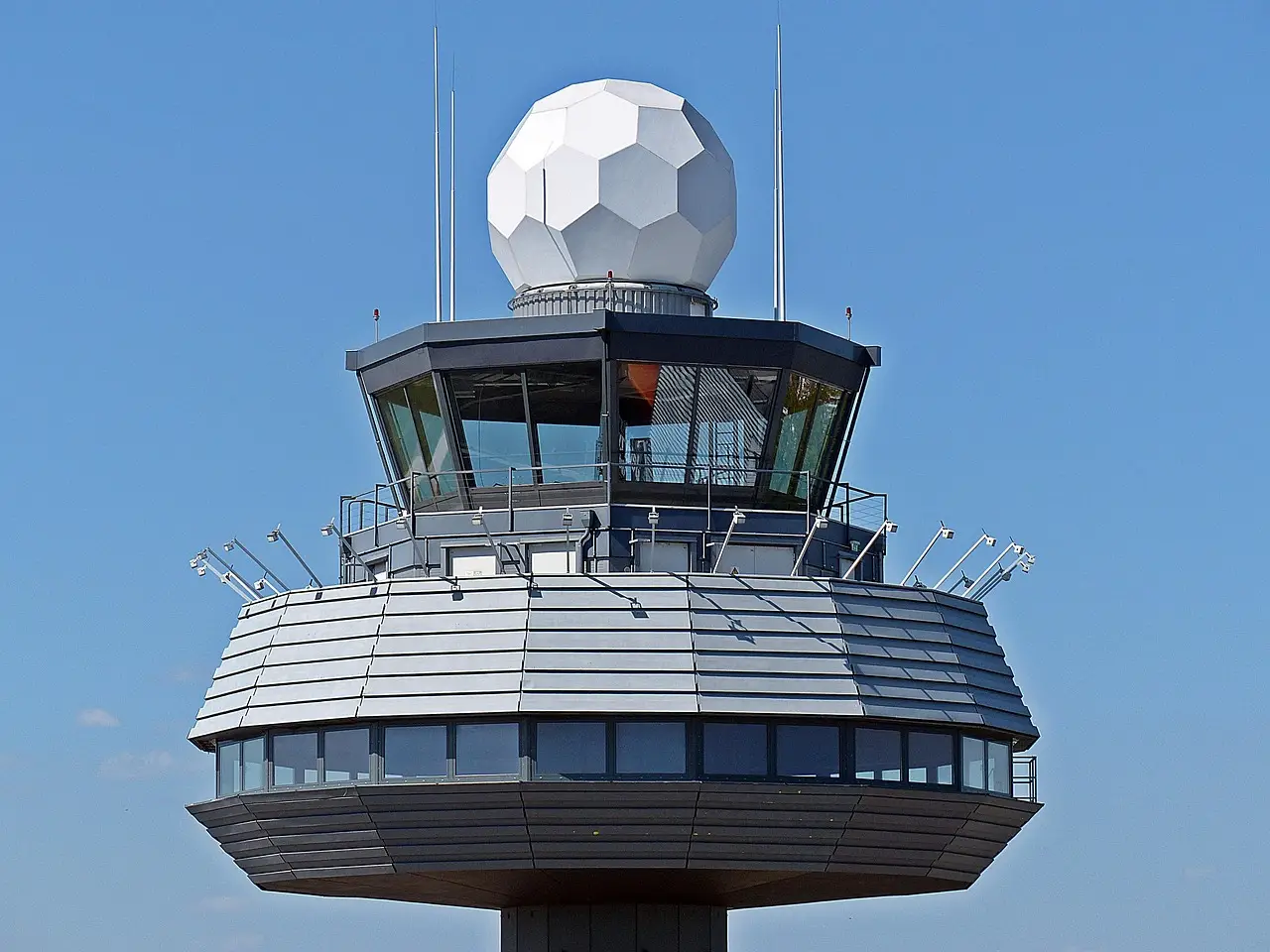
The FAA ground stop last week cost the administration days of credibility before senior officials finally delivered the one message that mattered: this was not a cyberattack. Strategic communications counselor Dan Rene, founder of Dan Rene Communications, argues the episode is a case study in how not to manage a crisis of confidence in critical infrastructure.
The disruption did not arrive alone. In recent days, outages and technical problems have hit major banking institutions, Apple, United Airlines and even the National Security Agency, according to Rene's account. Reports of hackers remotely manipulating commercial refrigeration systems overseas added further questions about the security of technology Americans rely on daily.
What happens when leaders go quiet?
Rene draws a hard line between communicating what you know and speculating about what you do not. No one should expect officials to manufacture answers while technicians are still diagnosing the fault, he writes. But a simple acknowledgment — multiple agencies working around the clock, safety as the priority, updates to follow — can carry a long way.
"In the absence of information, fear fills in the blanks," Rene writes. Social media supplied the answers officials did not: Was this a cyberattack? Foreign interference? A security breach? Even author Stephen King joked online about aliens having landed while airspace was closing.
The lesson for brands and agencies is structural, not rhetorical. A pattern of disruptions requires a pattern of responsible, transparent communication, Rene argues. Occasional statements and one-time assurances cannot rebuild trust when failures recur.
Who is accountable for the failure?
Transportation Secretary Sean Duffy attributed the outage to aging switches, routers and telecommunications equipment that had overloaded, creating inconsistent radar data and broken communications with aircraft. He briefed members of Congress and repeated the explanation at a press availability on Capitol Hill.
The administration is pointing to decades of neglected infrastructure and calling for as much as $50 billion to modernize the nation's air traffic control system. Duffy has argued previous administrations and Congress failed to address the problem. Rene is unmoved: blaming predecessors or contractors does not absolve today's leaders of responsibility to fix the systems they oversee.
L3Harris, involved in the FAA's telecommunications modernization efforts, has drawn questions about the transition from older equipment to newer technology. Rene calls finger-pointing at a contractor a leadership failure. "Accountability cannot simply be outsourced," he writes.
How did the reassurance campaign land?
The direct communication came late but eventually arrived. Homeland Security Secretary Markwayne Mullin told Americans to breathe and said he could state with "98% certainty" that the country was not experiencing a cyberattack, describing the incidents as "all individually unrelated."
Director of National Intelligence Jay Clayton went further: "Let me tell you what this is not, as far as we can tell … this is not a cyberattack, and this is not a coordinated effort by a nation state. We've looked very closely."
Secretary of State Marco Rubio gave a full statement at a media availability despite a summit with Russia and China demanding his attention. He acknowledged public fear and uncertainty.
"We have zero evidence or any reason to believe that any of these isolated or individual instances have anything to do with nefarious actors, with cyber hackers, with criminals, with another nation state, with a malign actor of any kind," Rubio said.
Rene credits these as precisely the direct communications Americans should have received much earlier.
What should communicators take from it?
The administration made mistakes along the way, Rene concedes, but the episode offers lessons for all communicators. The best crisis management begins before the crisis, with vulnerabilities identified, risks communicated and the public prepared for hard decisions. Silence over time can damage trust as much as silence during an emergency.
The real measure of success, Rene concludes, is whether these incidents produce better oversight, stronger infrastructure and a communications strategy that treats timely information as the public's right. Anyone can take credit when things go right. The true test of leadership is the response when they do not.
via prnewsonline.com (Source)
More from Elena Vasquez
Show full bio
Senior reporter covering technology and product news in marketing, advertising, marketing technology, media, SEO and search at Marketing Herald.
369 articles
More on the wire
- Four-Hour Ground Stop Exposed a Crisis Comms Gap Brands Should Study
- Deepfakes Outpace Verification: Crisis Comms Gets Pressure-Tested
- Deepfakes, Silence and Boring LinkedIn Posts: Austin Conference Reckons
- Microsoft outage: 140,000 failure reports, 430M seats locked out
- Data Center Backlash: PR Pros Say Comms Must Arrive Early