EU Council Chief Proposes 3% Big Tech Levy to Fund Bloc's Budget
European Council President António Costa proposed a 3% annual levy on big tech revenue from ads, digital intermediation and user data to fund the EU's 2028-2034 budget, alongside €204bn in cuts.
Wire notes
- Costa proposed a 3% annual levy on big tech net revenue from online ads, digital intermediation and user data.
- The tax would finance the EU multiannual budget for 2028-2034, presented on Saturday, June 21.
- The plan cuts €204 billion (R$1.33 trillion) from the European Commission's budget draft.
- France rejected the proposal as 'very disappointing' over Common Agricultural Policy concerns.
- The plan also includes an e-waste fee and higher tobacco taxes.
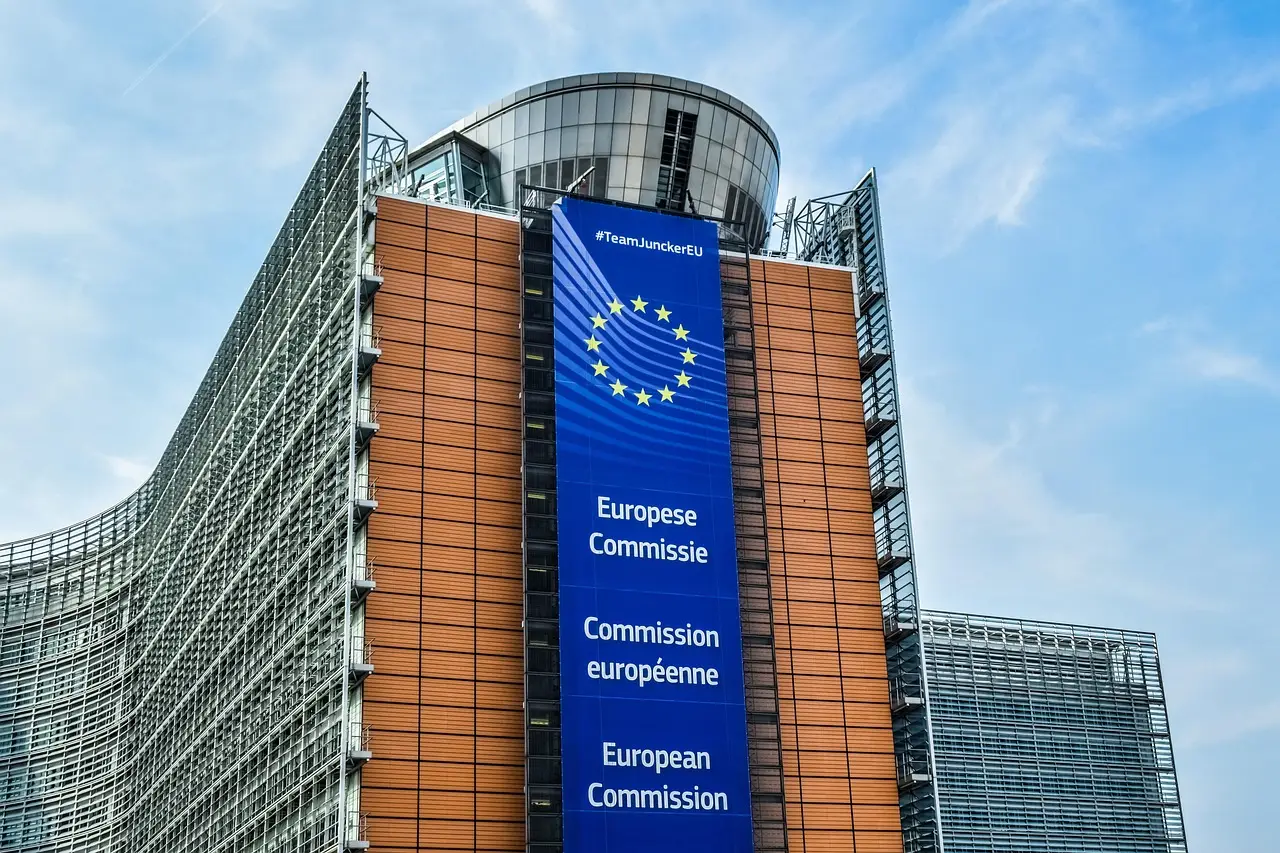
European Council President António Costa has proposed a 3% annual levy on the world's largest technology companies to finance the European Union's next long-term budget, covering 2028 to 2034. The Portuguese politician tabled the spending plan on Saturday, June 21.
Under the draft circulated by the European Council, big tech firms would pay a contribution equal to 3% of annual net revenue from three streams: online advertising, digital intermediation services and data generated by users. The documents were released by the Council itself.
What else does the plan tax?
The proposal reaches beyond technology. It includes:
- A fee on electronic waste
- Higher taxes on tobacco
- €204 billion (R$1.33 trillion) in cuts to the budget draft put forward by the European Commission, the EU's executive arm
The cuts land as the bloc races to strike a deal on its long-term finances before the end of the year. Costa, who represents the 27 member states, wants to balance national contributions with new sources of EU revenue.
How did member states react?
France rejected the proposal within moments of its presentation. The French government called it "very disappointing" and faulted it on farm policy.
"It does not achieve the intended objectives, especially with regard to the Common Agricultural Policy (CAP) and, in particular, guaranteeing income support for farmers," the French presidency said in a statement.
Costa struck a more optimistic note at a press conference in Brussels. "I think the proposal can bring us closer to a final agreement," he said.
Why does Washington matter here?
The levy is likely to meet resistance from US President Donald Trump. His administration has reacted sharply to EU fines and regulatory measures against major technology companies in the areas of competition and content regulation.
That friction sets up a second front for a proposal that already faces opposition inside the bloc. Costa must reconcile France's agricultural demands with the search for new revenue before the year-end deadline.
The takeaway: a 3% tech levy is now on the table as the EU's preferred new revenue source, but its fate hinges on bridging French farm objections and a probable confrontation with Washington.
via oglobo.com (Source)
More from Tom Whitfield
Show full bio
Staff writer covering companies, deals and strategy in marketing, advertising, marketing technology, media, SEO and search at Marketing Herald.
430 articles
More on the wire
- EU Draft Proposes 3% Annual Levy on Big Tech Revenue
- Brazil's Senate Leader Tables 3% Digital Tax on Big Tech Revenue
- Economists Urge Brazil's Chamber to Pass Bill Expanding Cade Powers Over Big Techs
- Real Madrid Targets €1.4 Billion Revenue and a World Record
- Brazil’s Big Tech bill targets competition, not content moderation