MH-8975MarTech & AI
Deepfake Faces Rated More Real, Especially by Older Adults
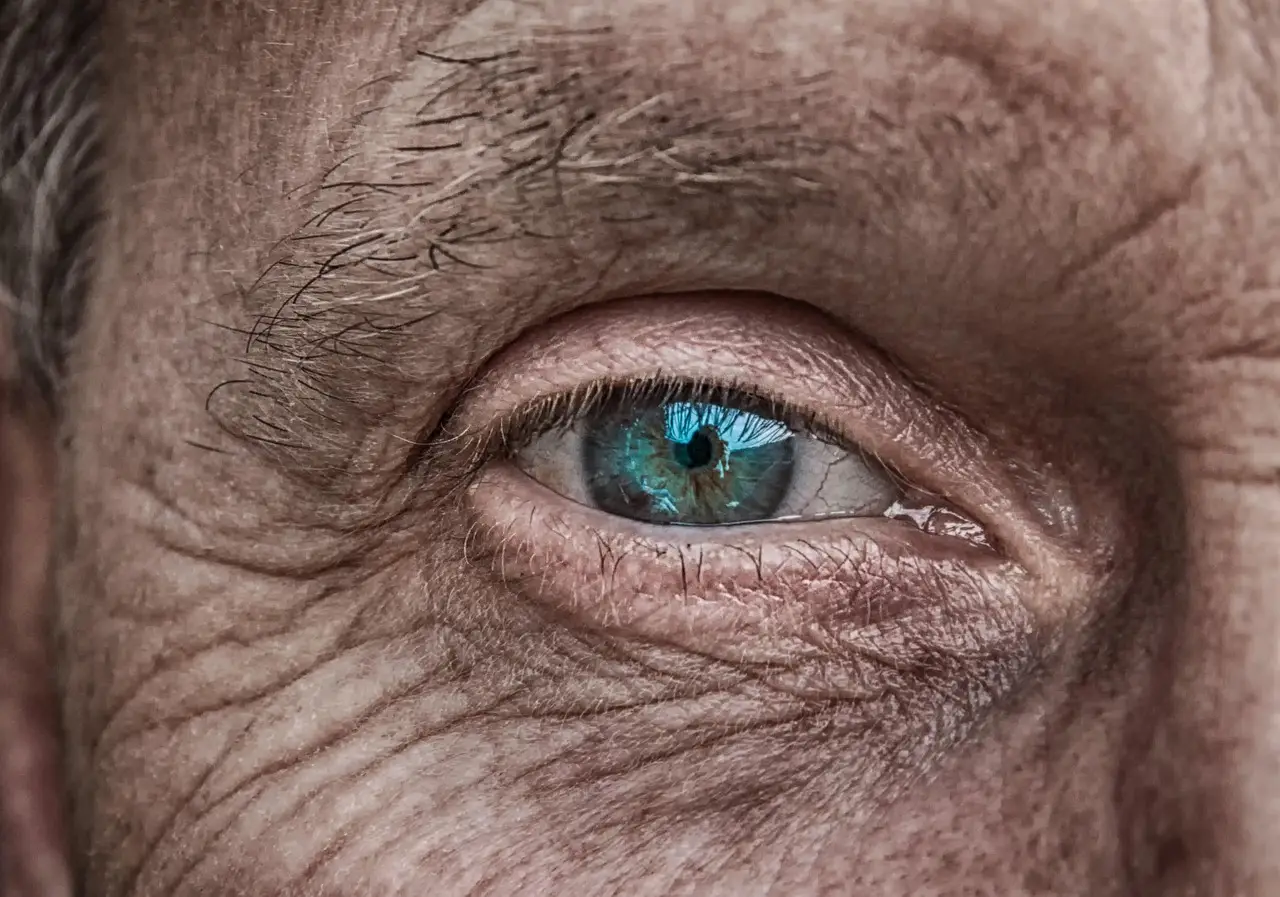
A University of Florida study of 126 adults found both age groups rated AI-generated faces more real than genuine photos, while older adults showed a significantly stronger bias.
Wire notes
- 126 adults aged 18-89 rated 80 images: 40 real and 40 AI-generated.
- Both age groups judged AI-generated faces more real, while older adults rated them significantly more realistically.
- Brain scans showed less activity in the anterior insula when participants viewed deepfakes.
- The findings were published in October in Social Cognitive and Affective Neuroscience.
- Anterior insula activity did not differ significantly between younger and older adults.
By Amara Osei
A University of Florida study of 126 adults aged 18 to 89 found both younger and older groups rated AI-generated faces as more real than genuine photographs; older adults rated the 40 synthetic images significantly more realistically than the 40 real ones. The team published its findings in October in Social Cognitive and Affective Neuroscience.
How strong was the deepfake effect?
Researchers showed each participant 80 images, half real and half AI-generated, then recorded the participants’ reality ratings while tracking brain activity. They examined “deepfake hyperrealism” (the tendency to judge AI-generated faces as more authentic than real faces).
The published summary does not state the younger and older group sizes or the age cutoff between them. That omission does not erase the reported statistical difference, but it limits how readers can assess the subgroup result.
Natalie C. Ebner, Ph.D., a University of Florida psychology professor who led the study, said: “Fake faces are being perceived as more real than real faces.” She added: “You’re actually worse than just guessing, because you’re actively being drawn in the wrong direction.” Ebner also said: “All adults have hyperrealism bias, not just older adults. But older adults have it more.”
Takeaway: The synthetic faces did not merely escape suspicion; participants actively judged them more authentic.
Why might AI-generated faces look more real?
The researchers suggest that AI generation produces an average of many faces, which may trigger the brain’s preference for familiarity. Ebner said: “We know that when you average across faces you end up with something that has less distinct features, is more attractive and represents more of the prototype.” She added: “That makes these faces easier to process and more pleasing.”
“Prototype” here means a generalized facial average. The published account presents this mechanism as a likely explanation and does not report a separate test of competing explanations.
Takeaway: AI-generated faces may gain familiarity because they resemble an average face rather than one person’s distinctive features.
What did the brain scans show?
The team tracked the anterior insula (a deep brain region that connects with other areas and helps the brain recognize important or potentially suspicious information). The region sits roughly at the level of the temples. Its activity fell when participants viewed deepfakes rather than real faces.
“The muted response in the anterior insula directly tracks with people thinking the fake faces are more real,” Ebner said.
Activity did not differ significantly between younger and older adults, however. That leaves the stronger age effect unexplained and weakens any simple claim that the brain scan itself accounts for it.
Takeaway: The scans identify a possible mechanism, not the reason older adults show the larger bias.
Can awareness or detection tools prevent fraud?
AI-generated faces increasingly fill the internet and amplify scams built around fake romantic partners or supposedly trustworthy investment partners. The University of Florida account describes older adults as more susceptible to scams for reasons it does not specify and as frequent targets; many do not know deepfakes exist.
Ebner said AI-detection tools can help people assess a photo’s genuineness online, but awareness of deepfake hyperrealism may provide the greater practical advantage. “Identifying that this potential deception scheme is the first step to an intervention,” she said. “We can now work on awareness that if something looks too good to be true, think twice before you go along with it.”
That proposal remains untested in the study. The research measured face ratings and brain activity, not scam losses; it did not compare detection tools or test an awareness campaign. For marketers, the narrow conclusion is that photorealistic imagery can increase perceived authenticity, so identity claims still require independent verification.
Takeaway: Detection may help, but this study does not show that detection alone stops a scam.
The next useful evidence is an intervention trial measuring whether awareness plus reliable detection reduces scam losses across age groups. Until then, the study identifies a persuasive risk, not a proven remedy.
via digitalinformationworld.com (Source)
More from Amara Osei
Show full bio
News editor covering people, launches and day-to-day practice in marketing, advertising, marketing technology, media, SEO and search at Marketing Herald.
346 articles
More on the wire
- A Fake Photo of Mia Goth Got 500,000 Likes. Meta Acted Only After a Reporter Called
- 89% of U.S. Adults Worry About AI — and 55% Use It Weekly Anyway
- 6.8 Million People Called a Real Monet "AI Slop" — Here's Why It Matters for Marketers
- Google Calls Fabricated Author Profiles Deception
- AI Labels Flag the Tool, Not the Lie: Why Ad Disclosures Fall Short