Cumin Sodas Cut Coca-Cola and PepsiCo to 85% of India's Market
Cumin-flavored sodas from 10 rupees doubled to 15% of India's fizzy drinks market by September 2025, cutting Coca-Cola and PepsiCo from 93% to 85%, a Kotak report says.
Wire notes
- Coca-Cola and PepsiCo's combined share of India's fizzy drinks market fell from about 93% to 85% in under a year, per Kotak Mutual Fund.
- Ethnic beverages including Lahori Zeera and Campa doubled their share to roughly 15% by September 2025.
- Lahori Zeera expects 2026 revenue of $115-120 million and doubled capacity to 1.2 million bottles per day.
- Online orders for cumin sodas grew 900% during the summer, an Indian delivery company reported.
- India's non-alcoholic drinks sector was valued at $32 billion in 2024 and is projected to double by 2033.
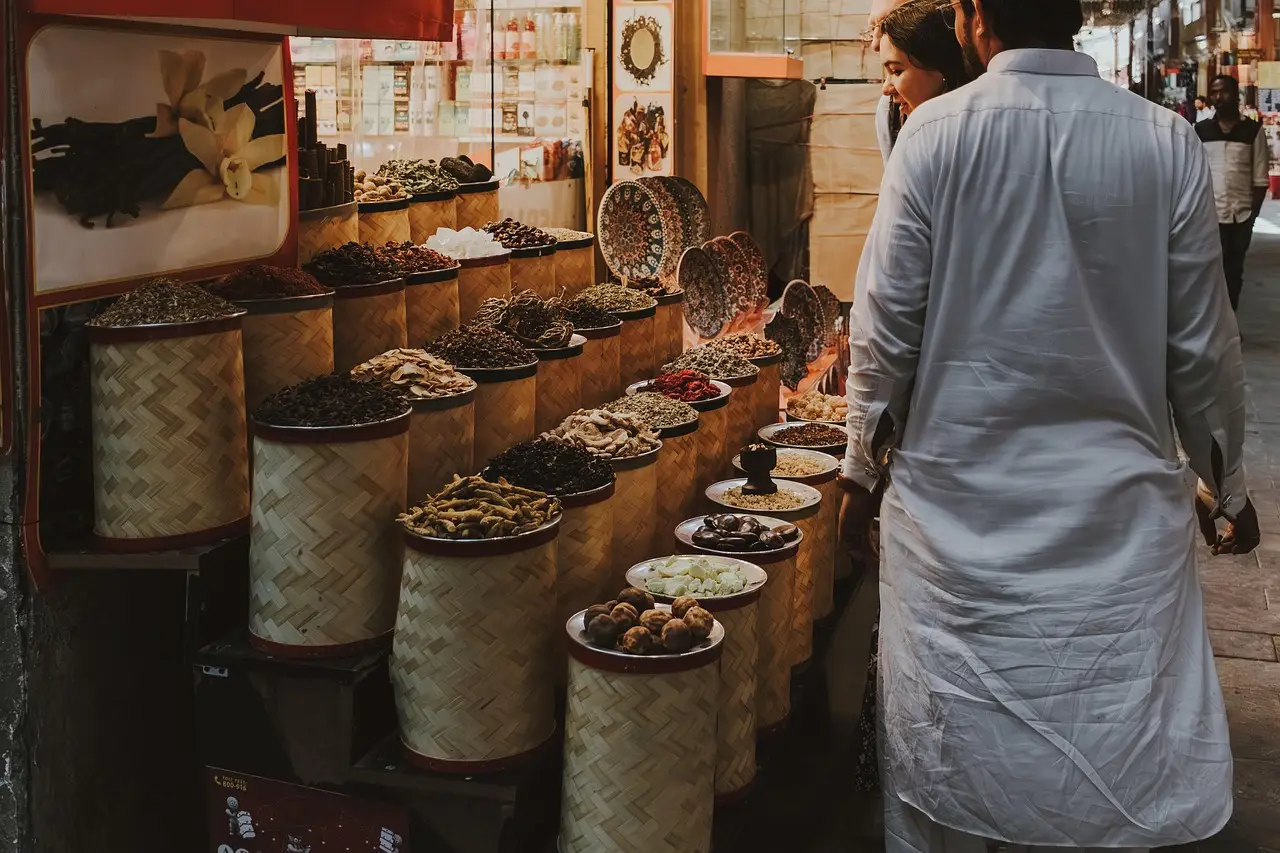
Coca-Cola and PepsiCo lost eight share points in India's carbonated soft drinks market in under a year, as local cumin-flavored sodas priced from 10 rupees (about R$0.64, roughly the cost of a small candy bar) doubled their combined share to roughly 15% by September 2025, according to a Kotak Mutual Fund report published in early 2026.
The category leader is Lahori Zeera, founded in 2017 by three cousins from Punjab — Saurabh Munjal, Nikhil Doda and Saurabh Bhutna — after they tasted a homemade cumin recipe prepared by Doda, the BBC reported. Backed by family money, the trio launched a tart, cumin-flavored fizzy drink; "zeera" means cumin in Hindi. The brand expects to close 2026 with revenue between $115 million and $120 million.
Who else is chasing the cumin market?
Lahori Zeera faces a crowded field:
- Jeeru, from Xotik Frujus
- Campa Jeera, from Mukesh Ambani's Campa Cola
- Fizz Jeera Masala, from House of Bindu
- Dhishoom, from Parle Agro
Megha Shankar, a director at House of Bindu, said cumin soda sales stayed flat for years before demand surged. The product's share of company revenue rose from 20% to 40% over the past five years. House of Bindu, which operated mainly in southern India for more than two decades, has expanded distribution to other regions and recently launched a sugar-free version.
Online orders for cumin-flavored fizzy drinks grew 900% during the summer, according to a report from an Indian delivery company.
What does Kotak's 'Jio moment' comparison mean?
The Kotak report likens the shift to Reliance's Jio Telecom entry in 2016, when crashing data prices stripped legacy telecom operators of market share.
"This is a 'Jio moment' for the beverages sector. Just as traditional telecom companies lost market share when data prices plummeted, established beverage companies are losing volume," the report states, as cited by the BBC.
It adds: "In global markets, established duopolies rarely lose more than 1% to 2% of market share per year; an 8% swing in less than a year represents a structural rupture."
Price anchors the category. The brands fight hardest in the 10-rupee band, a critical price point in the Indian market. Analysts also credit rising demand for local flavors and drinks seen as healthier — green mango, kokum fruit and tamarind are among the ingredients in play. For decades, Coca-Cola and Pepsi sold modern, Western lifestyles through Bollywood stars and cricket sponsorships.
Saurabh Munjal, chief executive of Lahori Zeera maker Archian Foods, frames the brand's pitch as distinctly Indian. Its slogan: "apna desi thanda" — the genuinely Indian cold drink.
Can the challengers keep growing?
Demand has outrun supply. Munjal said Lahori Zeera doubled capacity to 1.2 million bottles per day last year and still cannot fill all orders. "We have always been in a situation where we sell out of stock every year," he told the BBC. He plans to expand internationally in the coming years.
Rajiv Agarwal, a professor at the SP Jain Institute of Management in Mumbai, questions the ceiling. "The million-dollar question is: how big can the cumin-flavored beverage market be? And I suspect it will not get as big as the cola market," he said.
The 10-rupee price point is a second vulnerability. Rising costs for plastic, packaging, sugar and other raw materials amid the global energy crisis threaten already-thin margins, and passing costs to consumers could dent volumes. Shrinking bottle sizes, as cola makers did years ago, is one workaround.
The giants may also strike back. Coca-Cola bought cumin-soda brand Rimzim in the 1990s and, according to reports cited in the Kotak survey, doubled its production last year.
India's non-alcoholic beverages sector was worth $32 billion in 2024 and is projected to double by 2033 — growth that both the incumbents and the ethnic-drinks challengers will now contest with eight share points already moved.
via oglobo.com (Source)
More from Tom Whitfield
Show full bio
Staff writer covering companies, deals and strategy in marketing, advertising, marketing technology, media, SEO and search at Marketing Herald.
430 articles