MH-7780Advertising & Media
Campari America's Varone: Heritage Brands Win on Ritual
Campari America's Allison Varone explains how Aperol and Crodino turn rituals, festivals and bartender training into durable brand equity amid mindful drinking.
Wire notes
- Allison Varone, head of marketing at Campari America, leads Aperol, Campari and a growing aperitivo portfolio after two decades at LVMH and Martha Stewart Living.
- Campari America creates brand environments at Coachella and Lollapalooza and trains bartenders through Campari Academy to protect cocktail consistency.
- Varone says non-alcoholic Crodino lets consumers control their participation in social occasions without abandoning the ritual.
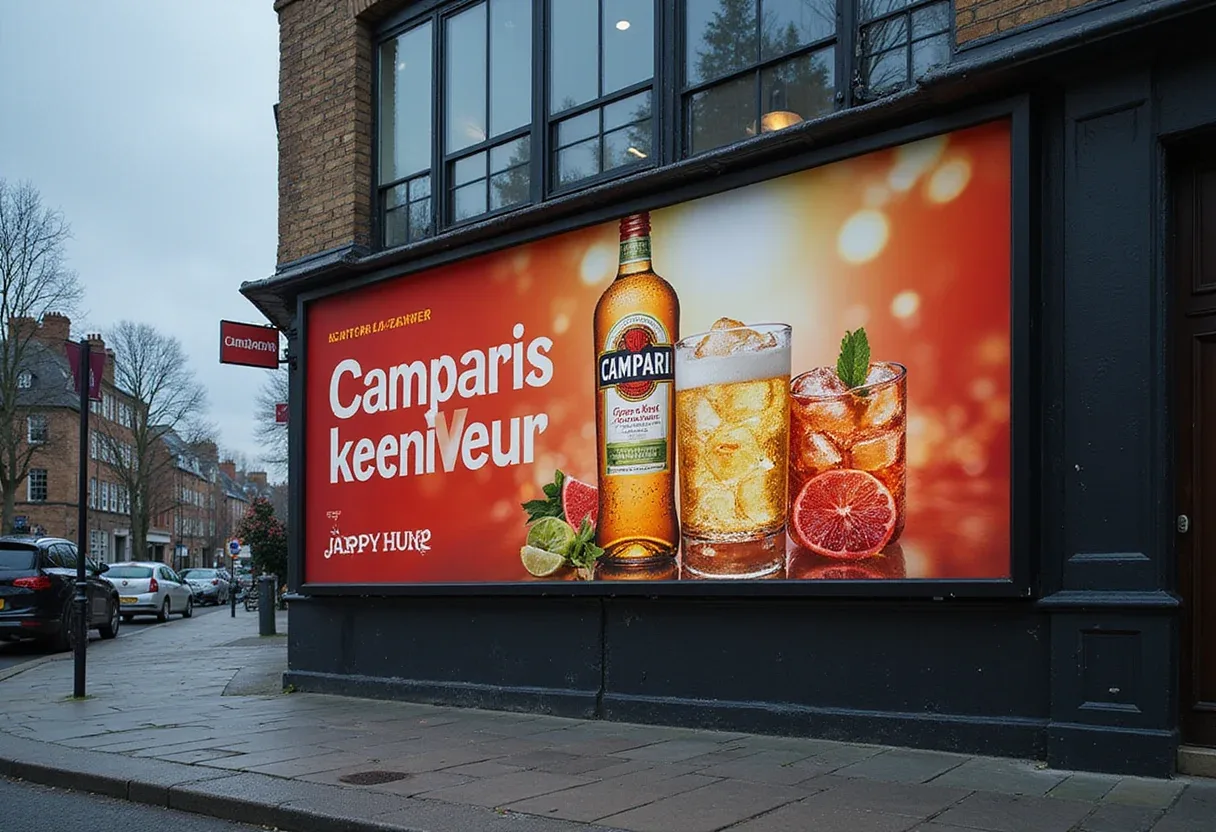
Campari America's marketing chief Allison Varone says brands outlast their categories only when consumers form an emotional connection with the experiences surrounding them — and she is betting that insight across Aperol, Campari and a growing range of aperitivo brands.
Varone, head of marketing at Campari America, laid out her approach on The Speed of Culture Podcast. Her career spans more than two decades building lifestyle brands across publishing, luxury, fashion and spirits, including leadership roles at LVMH and Martha Stewart Living. That background has shaped a marketing philosophy built on emotional connection, cultural relevance and brand heritage rather than product features alone.
"Lasting brands become woven into the moments people remember," her argument runs, giving marketers something more durable to build around than specifications or taste profiles. At Campari, that means translating decades of brand history into modern social rituals — from spritz culture and non-alcoholic options to festivals, neighborhood experiences, bartender education and AI.
Mindful drinking is not a threat
Consumers are drinking more intentionally, but Varone does not read that as a rejection of social occasions. Products such as Crodino, the non-alcoholic aperitivo, let people move between alcoholic and non-alcoholic options while keeping the same ritual, color, refreshment and connection.
The shift, in her framing, is less about abandoning the occasion and more about giving consumers greater control over how they participate. For a portfolio built on the aperitivo moment, that distinction matters commercially.
Building brand worlds at festivals
At Coachella and Lollapalooza, Campari America goes beyond simple visibility and builds environments around the emotion of the brand. Aperol's color, joyfulness, sociability and conviviality become part of the experience itself.
The same thinking scales down. The Aperol Day Club shows how a cultural platform can extend into the everyday life surrounding a major event, not just the event weekend.
Bartenders as brand equity
Consumer marketing does not stop at advertising. Through Campari Academy and ongoing bartender training, the company invests in the people who actually serve its drinks. The logic is blunt: consumers associate the final cocktail with the brand, regardless of who made it. Consistent preparation protects that experience, and protecting that experience builds brand equity over the long term.
Selectivity over reach
Not every cultural moment belongs to every brand. Before entering a festival, partnership or cultural conversation, Varone starts with the consumer. What do people want to feel in that moment? Does the brand naturally support that feeling? Does the talent involved genuinely connect with the product? Only when the answers align does an activation make sense — a filter designed to let the brand participate in culture without forcing its way in.
Curiosity with commercial context
Varone encourages marketers to study new technologies and brands outside their own category, because those perspectives unlock different creative ideas. But she pairs curiosity with business fluency: marketers need to understand where the product is sold, how it is sold, and what the customer and commercial environment looks like.
"Relevance requires both imagination and proximity to the business," her message to modern marketers concludes — a prescription that positions curiosity and commercial awareness as essential skills as the spirits category navigates mindful drinking and AI alike.
via Adweek (Source)
More from Tom Whitfield
Show full bio
Staff writer covering companies, deals and strategy in marketing, advertising, marketing technology, media, SEO and search at Marketing Herald.
144 articles
More on the wire
- Five Years On, Sorority Rush Keeps Delivering Brand ROI
- Twisted Tea Goes Camo for Fall Collab Amid Brand Headwinds
- Anthropologie pairs sentimental holiday ads with DoorDash push
- TikTok Shop Wants to Be More Than a Sales Channel, Marketers Say
- Advertising Week Turns to Gen Alpha: Five Paths for Marketers