MH-2352Content Marketing
Cambridge Dictionary crowns "human" its 2026 Word of the Year
Cambridge Dictionary named "human" its 2026 Word of the Year, citing AI's blur between people and machines, the rise of "made by humans" and a new candidate: FOBO.
Wire notes
- Cambridge Dictionary named "human" its 2026 Word of the Year on Wednesday, saying AI makes the boundaries between people and machines less sharp.
- Lexicographer Francesca Woodward said the choice reflects "the spirit of 2026" as people ask what it means to be human amid job-replacement fears.
- Lexicographers recorded increased use of the expressions "made by humans" and "human author."
- "Agent," defined as an AI system capable of operating in a complex way without human control, also competed for the title.
- The dictionary is studying whether to add "FOBO," the fear of becoming obsolete, which describes concern about losing a job to AI.
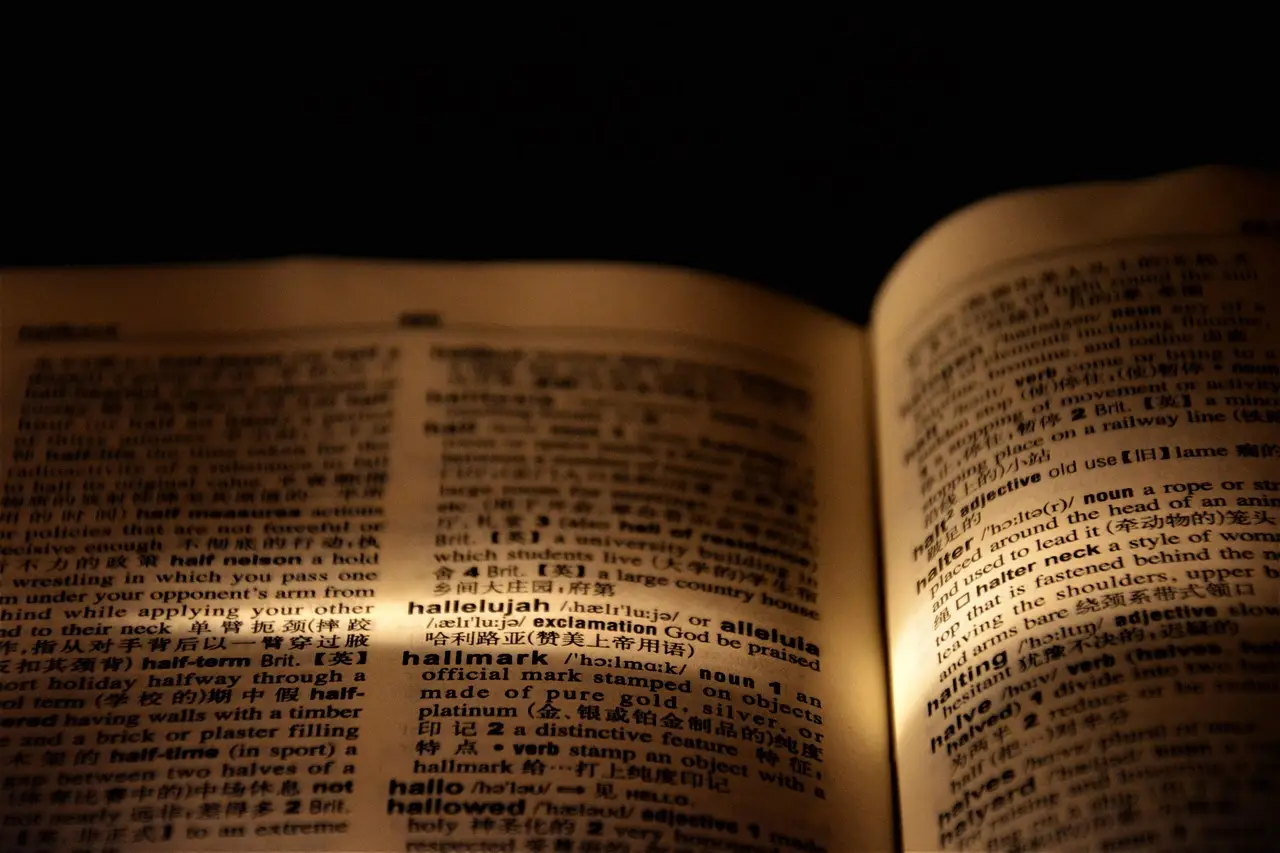
Cambridge Dictionary named "human" its 2026 Word of the Year on Wednesday, saying artificial intelligence "makes the boundaries between people and machines less sharp." The British dictionary defines the word as possessing "the qualities, the flaws and the emotions proper to human beings, in contrast to gods, animals or machines."
Francesca Woodward, a lexicographer at Cambridge Dictionary, told AFP that the choice captures "the spirit of 2026." She placed the decision in an era of accelerated AI expansion and warnings about the technology's dangers.
What does the word choice reveal about public anxiety?
Woodward said people "really asked themselves what it means to be human," driven mainly by concern that AI could replace certain jobs. The dictionary also logged a rise in the phrases "made by humans" and "human author," according to its lexicographers.
The word has reached public argument as well. In a photograph by Alberto Pizzoli/AFP, faithful carry a banner reading "Too human" during the funeral of Pope Francis in St. Peter's Square at the Vatican.
What did the competing terms say about AI?
"Agent" also competed for the title. Cambridge defines it as "an AI system capable of operating in a complex way without human control, generally used to make decisions." The dictionary is also studying whether to add "FOBO," short for fear of becoming obsolete, which it says describes the concern of losing one's job to AI.
How did AI errors come into the same story?
The AFP report paired the dictionary decision with a gallery of 12 Midjourney-generated images built around six AI errors: deformed hands on a cinema selfie, a conductor's elongated finger, an extra arm, a child's teeth merging into the gums, Brazilian singer Anitta and Coldplay's Chris Martin with six fingers, and a capybara rendered with a ratlike tail.
The gallery supplies a visual test behind the label. A malformed hand or an extra digit is easy to spot, which makes "human" simple to claim and easy to challenge when a brand makes that claim.
What does this change for marketers?
For brand and content teams, the practical answer starts with copy. Brands that use "made by humans" or "human author" now make a claim consumers can test against the kinds of defects AFP displayed. Teams must decide whether those phrases signal a process they can document or a promise they cannot support.
The dictionary's definition also matters for brand voice. Cambridge counts "qualities, flaws and emotions" as the markers of a human being, so machine polish does not satisfy its standard. That narrows the room for brands to present error-free output as proof of human quality.
The employment anxiety behind the choice will keep the subject live. Cambridge has not yet decided whether "FOBO" enters the dictionary, and Woodward said the public has already asked what it means to be human.
For marketers, the next step is disclosure that matches the language consumers already use: as AI-generated work moves from demonstration galleries into campaigns, brands will need to say plainly who produced it.
via oglobo.com (Source)
More from Priya Raman
Show full bio
Correspondent covering people, launches and day-to-day practice in marketing, advertising, marketing technology, media, SEO and search at Marketing Herald.
348 articles
More on the wire
- Marketers Must Stop Treating LLMs Like People
- 'Humanity Is Trending': Five Lessons From PRSA ICON 2026
- 80% of Users Missed Chatbot Errors Because Fluent AI Sounds Smart
- Nadella's AI Memo, Oracle's Layoff Email and Shopify's 'Slop Grenades'
- As AI Distrust Grows, Brands Put Humanity Front and Center in Ads