Brazil's Hand-Painted Shop Signs Fight Back Against AI Sameness
Hand Painted Brazil, an Instagram archive with 128,000 followers, has moved from feeds into Rio's CCBB museum show on memes, as digital printing and AI erode hand-painted shop signs.
Wire notes
- Hand Painted Brazil has 128,000 Instagram followers and eight years of archives
- The CCBB Rio exhibition 'MEME: no Br@sil da memeficação' includes Hand Painted Brazil images
- Melissa Warwick has photographed facades in Sergipe, Bahia and Alagoas since 2009
- The Ugly Mickey World Contest, first proposed in 2002, is running again at CCBB-RJ
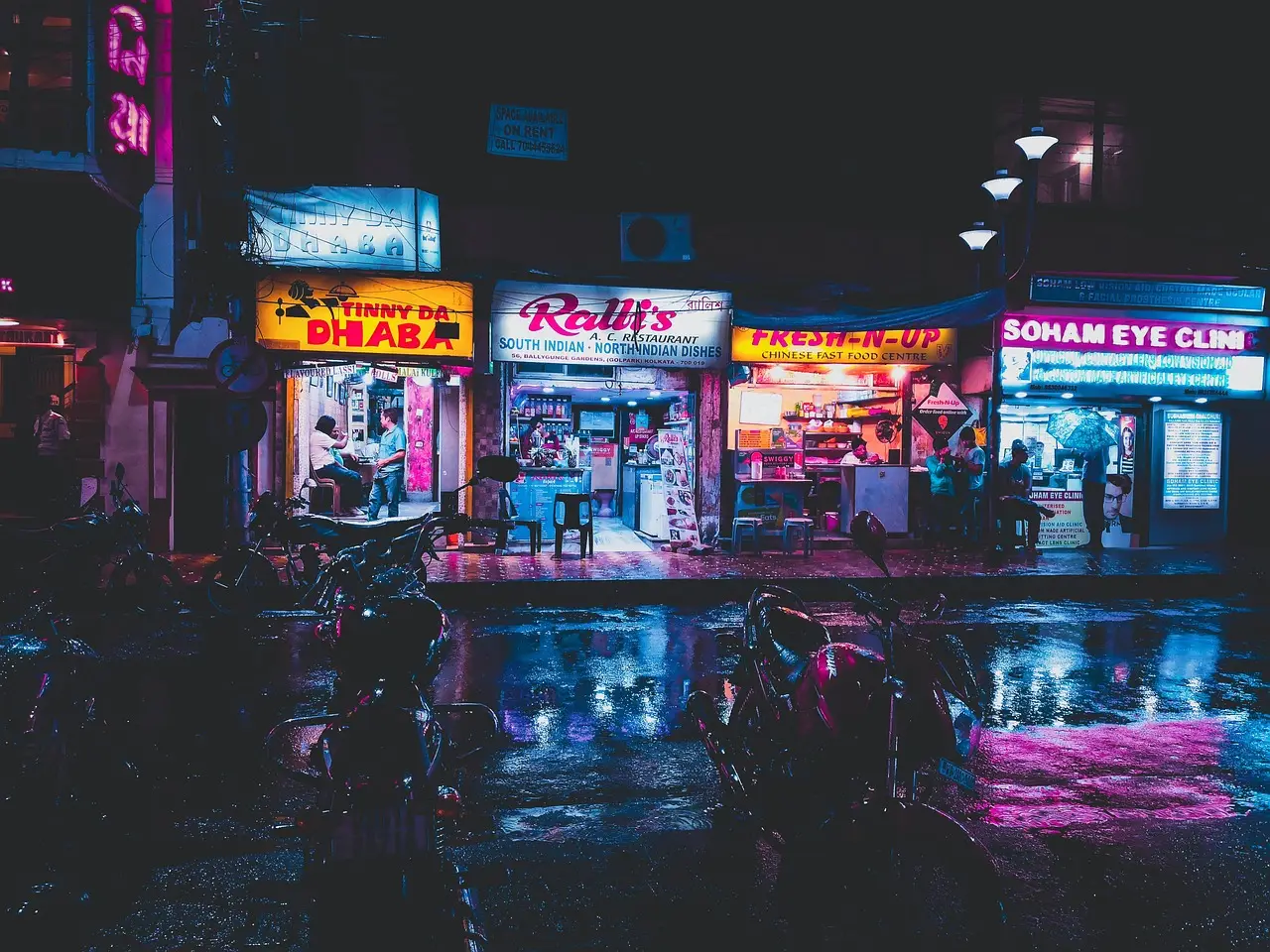
A Brazilian Instagram account with 128,000 followers has spent eight years doing something AI image generators cannot: documenting the crooked, funny, hand-painted signs that identify barber shops, bars and corner stores across the country. The account, Hand Painted Brazil, has now crossed from social media into the museum — its images appear in "MEME: no Br@sil da memeficação", the first major Brazilian exhibition dedicated to memes, currently on view at the CCBB in Rio de Janeiro.
What exactly is a hand painted?
The term refers to urban painting done by hand, marking local businesses and services with picturesque figures and vibrant colors. The academic field calls the broader phenomenon "vernacular graphic language," while "popular lettering" (letreiramento popular) covers only the drawn letterforms. Most of the paintings serve commerce; some do not. Enigmatic images circulate too, like a fish in existential crisis or an M&M's in diva pose sharing a motivational message: "Durma com ideias, acorde com atitudes" (sleep with ideas, wake with actions).
The page's creator, São Paulo filmmaker Clara Izabel, posts her own finds but says most content arrives from contributors in every corner of the country, from remote villages to the largest capitals.
"Sinto que são parte fundamental da paisagem e dialogam com o estilo de vida e o repertório imagético do lugar," Izabel said of the images. "Gosto de pensar na página como documentação e divulgação dessas artes espalhadas pelo Brasil."
Why do these images go viral?
Mascots drive the spikes, especially anthropomorphic ones: a lion teaching capoeira, a gas-cylinder family, a chicken warning "estou assadinho" (I'm well roasted). Pop-culture figures appear in wildly free interpretations — a baker Thor, a Franz Kafka at the Bar Metamorfose, Homer Simpson, Woody Woodpecker, Sonic and Rocky Balboa on a tractor. On one truck, a dejected Chaves del Ocho embraces Jesus Christ in search of salvation.
Izabel notes the audience has evolved. "É muito legal ver seguidores que chegaram pelo humor começarem a se interessar por esse tipo de pintura, enviar as imagens que têm na esquina de sua casa," she said.
She also maps regional patterns:
- North: boats hand-painted by abridores de letras in Amazonian river communities
- Mato Grosso: alligators, herons, parrots
- Northeast: forró dance halls, beach bars with mermaids and fish, candomblé imagery
- São Paulo: iron commercial doors, car paintings at car washes and repair shops
Is this only a Brazilian phenomenon?
No. Similar pages multiply across Africa and Latin America, with rarer examples in Europe and North America. On Instagram, @pollerias_de_mexico documents only the facades of pollerías — roast-chicken shops dominated by anthropomorphic chickens. The pig recurs in Mexico to advertise carnitas.
"Os pintores de letreiros usam isso colocando porcos felizes dentro de uma panela simulando uma jacuzzi," said Edgar Campos, creator of La tipografía en Oaxaca (@tiposlocales), which documents the city's popular graphics. "É exatamente o exemplo de como a imagem é usada para transmitir uma ideia popular."
Priscila Farias, a researcher at FAUUSP specializing in design history and lettering in the urban landscape, identifies a shared Global South repertoire of forms, colors and materials, shaped by available resources: paint colors, brush formats, the painter's knowledge, time and client expectations.
What is eroding the practice?
Digital printing. Researcher and graphic designer Fátima Finizola, author of "Tipografia vernacular urbana" (Editora Blucher), says hand painting persists mainly in suburbs, commercial zones and small businesses — and that digitization has steadily replaced painted facades with printed signs, imposing aesthetic homogeneity. That loss sparked the research and archiving projects now documenting the work.
Photographer Melissa Warwick has documented facades in Sergipe, Bahia and Alagoas since 2009. "Na era da inteligência artificial, dos plágios e do culto à banalidade, essa arte feita à mão carregada de originalidade e modéstia tem tudo pra ganhar cada vez mais potência e visibilidade," she said. She adds a caveat: an anthropologist friend pointed out that what looks ephemeral to a passing photographer is durable — and can be tiresome — for residents living with it daily; Warwick now says "transitoriness" rather than "ephemerality."
What does the museum show argue?
The curatorial text of "MEME: no Br@sil da memeficação" praises the "traços tortos, proporções inusitadas e soluções visuais" — crooked lines, unusual proportions, visual solutions — as creative autonomy that challenges "hierarchies and aesthetic hegemonies." Curator Clarissa Diniz, who assembled the show with artist Ismael Monticelli, frames the free appropriation of pop icons as fundamentally memetic, and the "deformation" of Mickey Mouse as decolonial.
"Há uma correlação entre se apropriar desses ícones do 'império', dos locais de poder no mundo, e de intervir sobre eles, profaná-los, hackeá-los," Diniz said.
The exhibition includes a new edition of the 1º Concurso Mundial do Mickey Feio (Ugly Mickey World Contest), first proposed by Daniela Brilhante and Lourival Cuquinha in 2002 to challenge the discourses of virtuosism and authenticity. Voting for the best Ugly Mickey remains open at a ballot box at CCBB-RJ. For brands and agencies chasing AI-generated uniformity, the exhibition makes one thing plain: the imperfect, anonymous and unrepeatable is acquiring scarcity value.
via oglobo.com (Source)
More from Amara Osei
Show full bio
News editor covering people, launches and day-to-day practice in marketing, advertising, marketing technology, media, SEO and search at Marketing Herald.
429 articles
More on the wire
- Chivas Regal turned Brazilian fan messages into a Ferrari race helmet
- FHC Video Ignites Consent Debate Over Vulnerable People on Social Media
- Dior's Six-Finger Scuffle Exposes AI Anxiety in Holiday Ads
- Ipanema 2000 Gallery Rebounds as Author-Driven Brands Flock In
- 6.8 Million People Called a Real Monet "AI Slop" — Here's Why It Matters for Marketers