MH-4182Retail Media & Commerce
Brazil's Bet Ban Lifts Grocery Sales 7%, But Assaí Still Holds Back
Grocery sales rose 7% in three weeks after Brazil blocked betting sites on October 6, NielsenIQ data shows, but Assaí's CEO keeps expansion plans capped for 2027 amid high rates and household debt.
Wire notes
- Supermarket and atacarejo sales grew 7% in the three weeks after betting sites were blocked on October 6, versus 3.8% from January to September, per NielsenIQ.
- Assaí same-store sales rose 3.9% in October after a 0.1% contraction from January to September.
- Store openings fell from 60 in 2022 to 10 last year; 2026 plans four openings and 2027 considers three to five.
- The 2027 investment budget is about R$ 800 million, with 49% for maintenance and technology and 39% for expansion.
- Leverage fell to 2.2x in Q3 and management expects to end December below 2x.
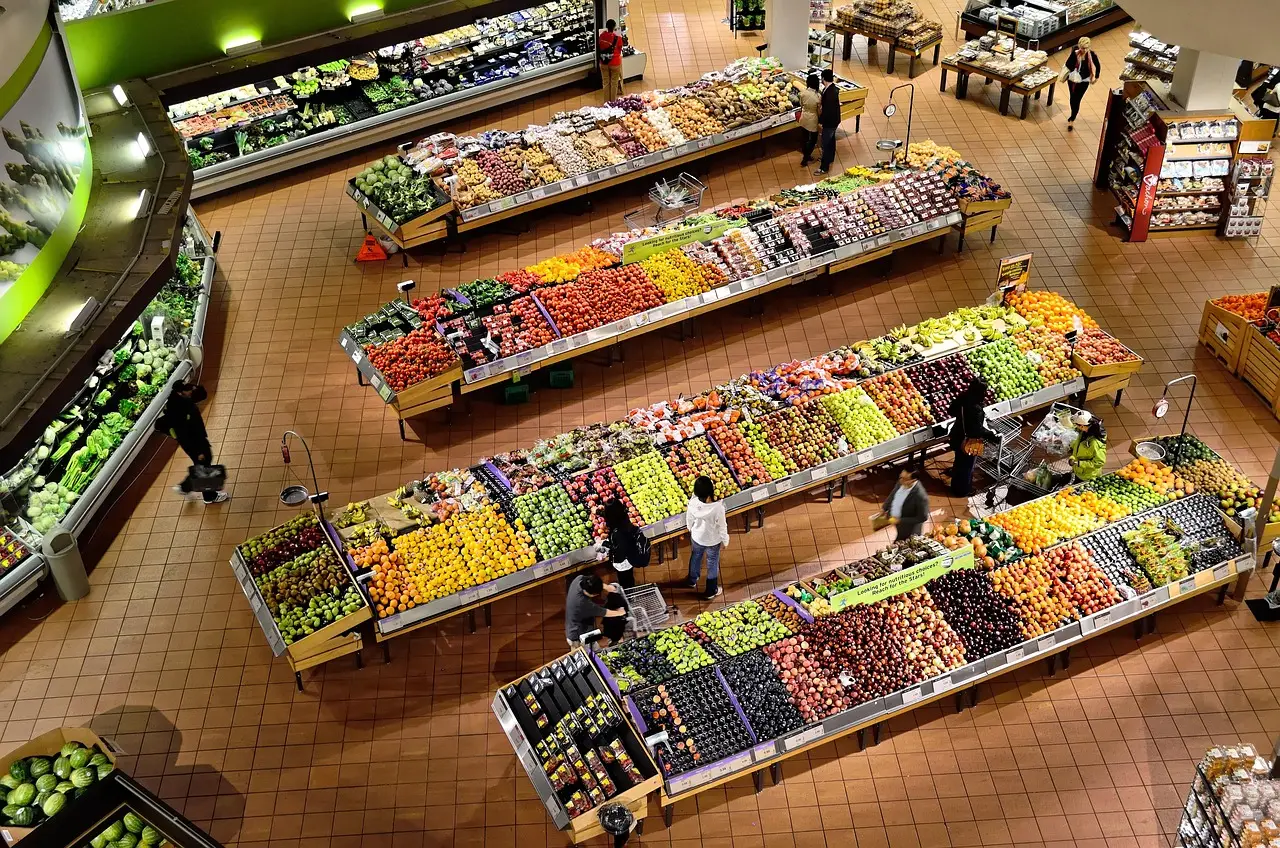
Supermarket and cash-and-carry sales in Brazil grew 7% in the three weeks after the government blocked betting sites on October 6, according to NielsenIQ data presented by Assaí CEO Belmiro Gomes — up from 3.8% across January to September. Gomes, who had repeatedly warned about the impact of online betting on consumption, told journalists ahead of the company's Investor Day in São Paulo on Tuesday that low-income consumers, especially in Brazil's Northeast interior, are buying more food again, including meat cuts and barbecue products.
What do the numbers show?
The NielsenIQ survey breaks the rebound down week by week for the atacarejo (cash-and-carry) segment:
- Sales grew 7.8% in the week of October 5–11
- 8.2% in the following week
- 7.8% between October 19 and 25
- That compares with cumulative growth of just 3.7% in the first nine months of the year
Volumes moved too. Product quantities purchased rose 5.5%, 3% and 2.4% in those same weeks, against 1% cumulative growth through September. Among the sector's major chains, 80% of stores recorded sales increases. That's a sector-wide lift, not a one-company story.
How did Assaí itself perform?
Assaí's same-store sales grew 3.9% in October after a 0.1% contraction between January and September, ending five quarters of practically flat results. The reaction was strongest at stores serving lower-income families in the Northeast interior and among small neighborhood merchants who stock their businesses at the chain.
Gomes believes part of the movement reflects families rebuilding budgets after cutting food spending to fund bets. With more cash available, these consumers are buying meat cuts again and organizing barbecues. But he stopped short of crediting the blockade alone.
— It's a cauldron with a lot happening at the same time — he said, noting that prices and household debt also shape sales.
November data, he said, will show whether October's recovery marks a durable shift in consumption and clarify the long-term effect of the betting ban.
Why is Assaí still cautious?
Betting isn't the only expense squeezing Brazilian households.
— At some point, interest rates eat away at everything — Gomes said, referring to high rates and elevated debt levels.
If Congress keeps the betting blockade in place after reviewing the provisional measure, Gomes sees room for additional consumption recovery in 2027, particularly among lower-income families.
— The goal is to maintain profitability even if the scenario remains challenging. If an improvement comes from this change [with the bets], even better — he said.
What happens to expansion plans?
After an aggressive expansion cycle driven by acquiring and converting former Extra stores, Assaí has throttled back openings to prioritize cash generation and debt reduction. The chain added 60 stores in 2022 — mostly from buying 71 Extra locations — then 27 in 2023, 15 in 2024 and ten last year. Four openings are planned for 2026, with three to five units under consideration for 2027, a ceiling rather than a target, according to Gomes.
He called the Central Bank's decision to hold rates at the last Copom meeting "a yellow light for investment."
Where will the money go instead?
CFO Rafael Sachete said the investment budget for 2027 will stay near R$ 800 million:
- 49% for maintaining existing stores and technology
- 39% reserved for expansion
- 12% for new business lines such as pharmacies and fuel stations
The group's leverage ratio fell to 2.2x in the third quarter, and management expects to close December below 2x, continuing the downward path in 2027.
— If the economic scenario improves, rates fall, this strategy can be renewed [...] but for now, we're in a very restrained investment cycle — Sachete said, adding it's still too early to call the recent consumption recovery a consolidated trend.
via oglobo.com (Source)
More from James Calloway
Show full bio
Market editor covering technology and product news in marketing, advertising, marketing technology, media, SEO and search at Marketing Herald.
288 articles
More on the wire
- Brazil's Black Friday Opens Weaker as B and C Classes Pull Back
- Magalu Seizes Casas Bahia's Market as Sales Growth Hits 16% in October
- Black Friday set to bring R$17 billion in Brazilian sales
- Amazon: 400 Million Customers Used Alexa for Shopping in a Year
- Mercado Livre ad revenue seen at $636M, up 58%, Itaú BBA says