MH-8949Advertising & Media
Apple Music Built Its New Logo Out of Sound Waves and Baby Oil
Apple Music's new logo was made with sound waves moving liquid and baby oil, after 12 weeks of R&D by TBWA\Media Arts Lab and Optical Artists.
Wire notes
- Apple Music's new logo was created using sound waves moving liquid, shown in a 78-second behind-the-scenes spot.
- The project required 12 weeks of research and development before production.
- Production company Optical Artists built a submerged rig; Nest Acoustics and producer Fred again… created the sound.
- The liquid approach references Apple's Liquid Glass design language, introduced in June 2025.
By James Calloway
Apple and TBWA\Media Arts Lab spent 12 weeks of research and development to answer one question: could a beautiful piece of music make something beautiful visually? The result is Apple Music's new logo, created by pushing sound waves through liquid, and a 78-second behind-the-scenes film showing how it was made.
The spot continues an approach Apple and the agency first took last fall, when they revealed the process behind the updated Apple TV logo. It also lands in a moment when brands increasingly show their craft. Prada, for example, titled its partially animated holiday campaign this week as "animated by hand" — a signal of human production as AI raises questions about how things are made.
Why show the work behind the work?
James Taylor, global head of design at TBWA\Media Arts Lab, said audiences now want to see how things get done, especially at Apple.
"We're in a space right now where audiences are looking to understand how things are done, especially from Apple," Taylor told Marketing Brew. "What Apple does from a product and marketing standpoint always sits on the edge of wonder…There's a curiosity, which I think is becoming even more acute at the moment because things are feeling automated and generated, and I think people are looking to feel things a little bit more. This asset, this behind-the-scenes film, does many of those jobs for us."
The takeaway: the BTS film isn't a bonus — it's doing brand work in an era when audiences distrust what looks generated.
How do you build a logo from sound?
The brief was simple: create a visual mark for Apple Music from sound. The execution was not. Taylor said it took 12 weeks of R&D just to establish feasibility.
Working with production company Optical Artists, the team built a rig submerged in liquid. Sound waves moved the liquid, and the liquid created the visuals. For the audio side, Apple Music tapped Nest Acoustics and producer Fred again…
The constraint was physical. "If you do anything complicated, it's going to make the liquid just move violently," Taylor said. The team tested "what cadence of notes would give us the right kind of ripples."
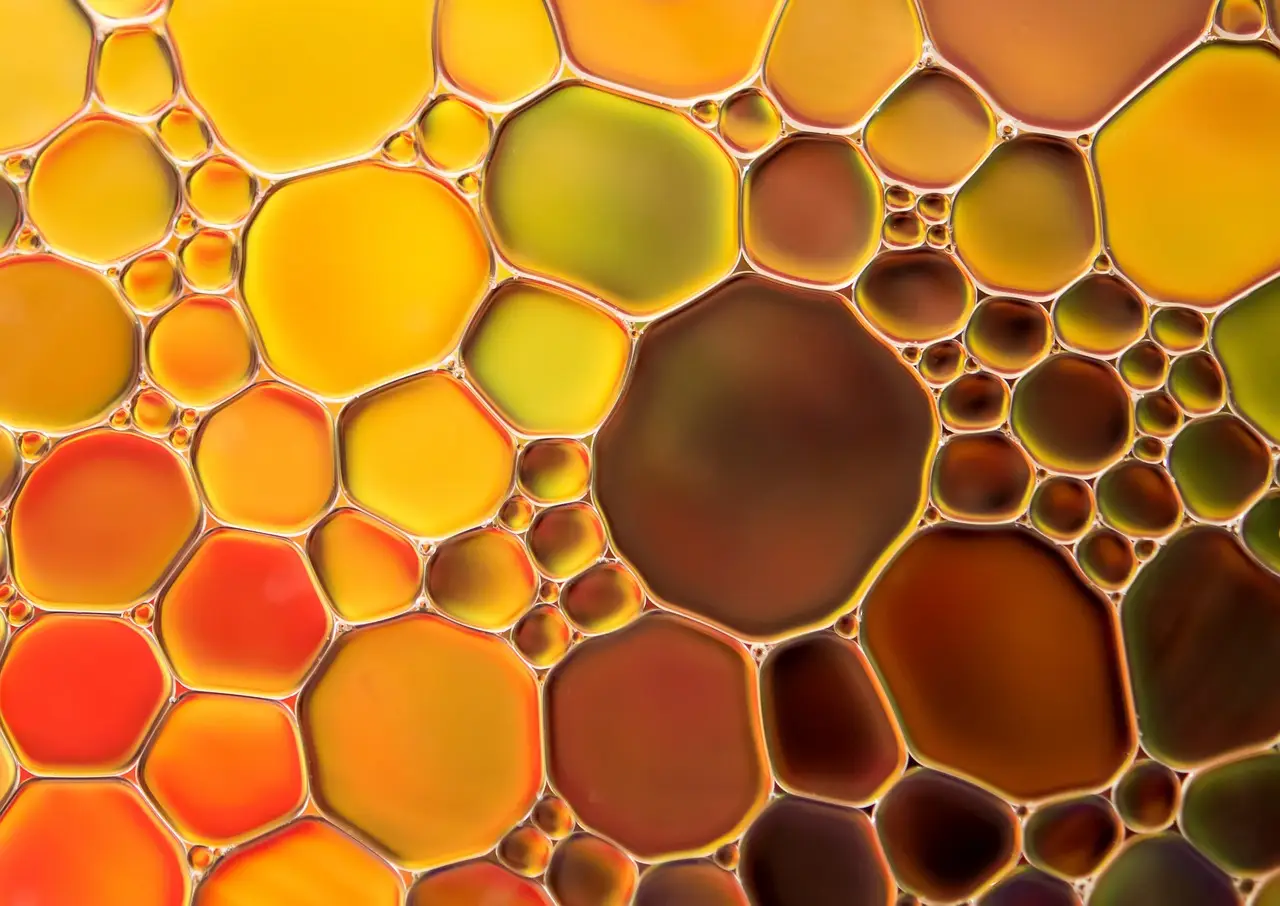
For the look, the team became "very experienced with baby oil and the different dilutions of baby oil," Taylor said, which produced a glass-refraction effect.
In plain words: the logo's texture came down to getting the mix of oil right.
What does liquid have to do with Apple's design?
The liquid approach also references Apple's broader design language, Liquid Glass, introduced in June 2025. Taylor's team worked on the Apple TV logo refresh, which took its cues from cinema — "lensing, light, and color" — and was made of glass.
"We really saw this interesting idea of, 'What would glass feel like if it was refracted by sound?'" he said. "So that was the starting point."
The finished mark is flexible and transparent. It can feature musical artists behind it and occupy large real estate in marketing.
"As you'll see over the next coming months, the identity is built in a way which can flex across different artists, different stories, and is repeatable," Taylor said. "It's going to be very hardworking as this kind of piece of art."
While the logo demanded months of R&D, the behind-the-scenes production itself was, in Taylor's word, "pragmatic." As he put it: "There was a heavy amount of actual production content, but in terms of the BTS, there's only so many times you can shoot a ripple."
Expect the new mark to keep appearing across artists and campaigns in the coming months — it was built to repeat.
via adage.com (Original)
More from James Calloway
Show full bio
Market editor covering technology and product news in marketing, advertising, marketing technology, media, SEO and search at Marketing Herald.
185 articles
More on the wire
- Apple Music Drops 'Made by Sound' Identity Built From Mineral Oil Ripples
- Kill 2 Birds' Jonathan Ouellette on Severance DOOH and Shared Attention
- As AI Distrust Grows, Brands Put Humanity Front and Center in Ads
- Aura Reframes Digital Frame as Social Network Past 10 Million Users
- Runway Launches AI Agent That Builds and Measures Ads