MH-4489Advertising & Media
AB InBev Cuts Invested Brands From 500 to 50 and Doubles ROI
AB InBev narrowed meaningful investment from 500 brands to 50, concentrates 60% of volume in megabrands, and reports 11% Q2 2026 revenue growth, per CMO Marcel Marcondes.
Wire notes
- AB InBev reduced meaningfully invested brands from 500 to 50 and cut SKUs by 25%.
- Q2 2026 revenue rose 11%; megabrands hold 60% of volume and over 60% of investment.
- Corona grew 65% in five years and is the world's most valuable beer brand per Kantar BrandZ.
- Mega-platform sponsorships (World Cup, Olympics, Wimbledon, Tomorrowland) deliver 2x traditional media ROI.
- Commercial leaders must log 30 consumer-facing hours yearly; the company passed 50,000 total hours.
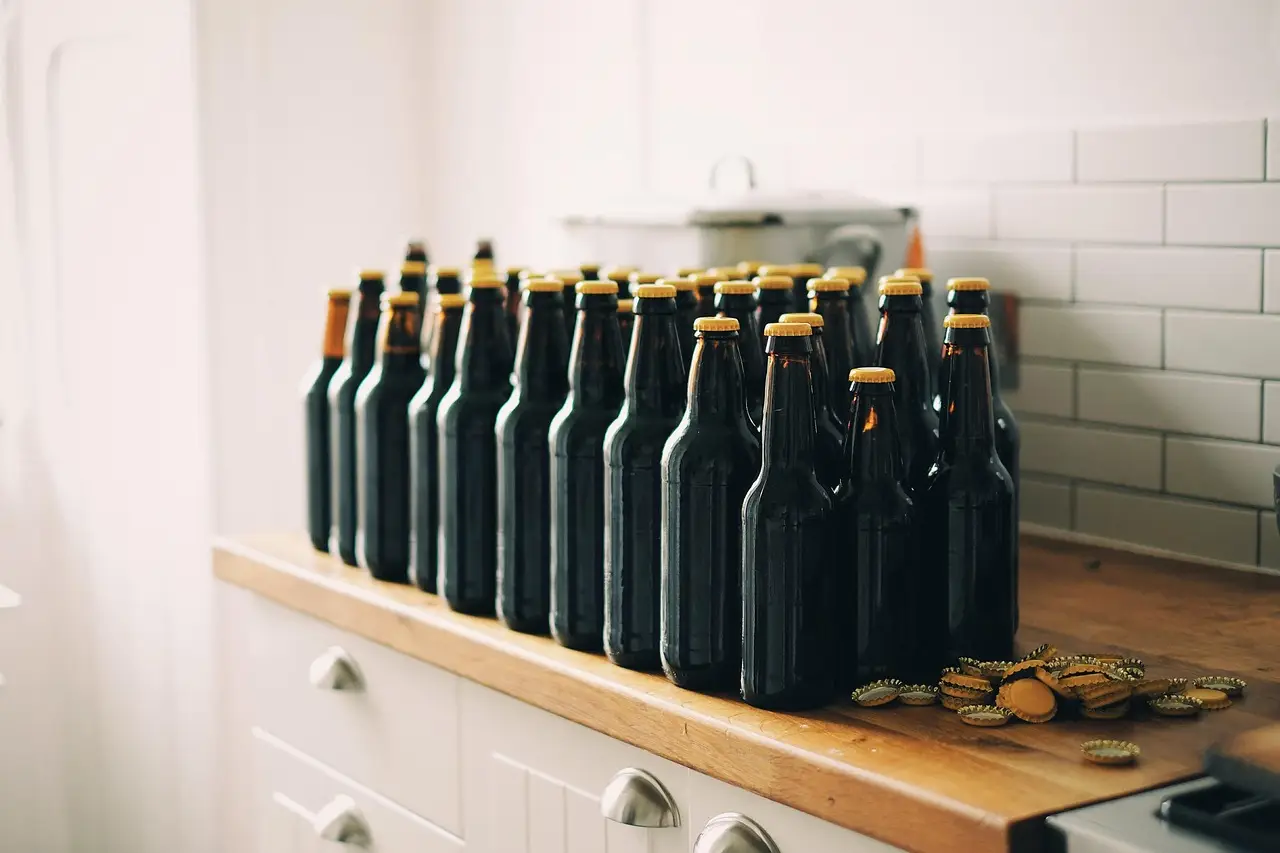
AB InBev cut the number of brands receiving meaningful investment from 500 to 50, and CMO Marcel Marcondes says the focus is paying off with an 11% revenue increase in Q2 2026. The brewer, named Cannes Lions Creative Marketer of the Year in May — the first company to win the award three times in the festival's history — shared its operating playbook at the Association of National Advertisers Masters of Marketing conference in Orlando on Oct. 21.
"We're reaching all-time high revenues, and we see our share price having good performance," Marcondes said. "The business is moving [in] the right direction, and that's the beauty of means and ends going together, hand in hand."
Marcondes became global chief marketing officer in April 2022, roughly coinciding with a strategic shift after years of growth through acquisition. "For every company that wants to grow organically, the only way to go is to go through brands. It's all about genuinely becoming consumer-centric and brand-led," he said of the move from brewer toward, as he hopes, "a top CPG."
How does the megabrand model work?
AB InBev assigns its 500-plus brands different roles per market using an inverted pyramid: megabrands as growth drivers at the top, followed by expansion brands, defensive brands, and brands to deprioritize. The company has cut 25% of its SKUs in recent years. Megabrands now carry 60% of volumes and receive more than 60% of investment.
"These are the brands that will drive the future, and these are the brands that therefore require disproportionate levels of investment," Marcondes said. "This makes us much more agile, much more focused, and the business flows much better."
The discipline extends to legacy brands. Corona, which marked its 100-year anniversary in 2025, has grown 65% in five years and is the world's most valuable beer brand, per Kantar BrandZ data cited by AB InBev. "It is much harder to build something new from scratch versus making sure that whatever you've been spending years, decades, and in our case, sometimes centuries building remains up to speed," Marcondes said.
On innovation, the Balanced Choices portfolio — no-alcohol beer, low-calorie, low-carb, gluten-free and zero-sugar options — accounts for about 10% of beer revenue. Focus: moderation trends and the next generation of drinkers.
What replaces traditional media spend?
AB InBev is shifting from advertiser to experience provider around what it calls "mega platforms": sports, music, streaming and travel passion points. Nearly 70% of consumers say they will spend more on experiences, per a StubHub report Marcondes cited. Across the FIFA World Cup, the Olympics, Wimbledon and Tomorrowland, ROIs run two times higher than traditional media, per data shared on stage.
The FIFA World Cup sponsorship ran across media, packaging, trade and experiential marketing for Michelob Ultra. This year AB InBev became exclusive beer and cider partner across all Live Nation UK properties. A Netflix partnership goes beyond product placement into co-produced content, including Stella Artois in season two of Guy Ritchie's "The Gentlemen." "When we produce content together, it should be almost impossible for anyone to differentiate what is advertising from what is just another episode," Marcondes said.
On AI, Marcondes keeps it instrumental: "Don't talk about the tool. Talk to me about what it's going to give us and how it's going to make our work better and more effective." Commercial leaders must spend at least 30 hours per year face-to-face with consumers — a policy modeled on pilots' flight hours; the company has surpassed 50,000 hours. Internal agency Draftline uses AI to track social listening across 200 markets, turning a Knicks playoff moment into a Michelob Ultra ad in hours.
The scoreboard follows: "We don't track impressions, because we can buy impressions. We track share of engagement," Marcondes said. Whether concentration this aggressive holds up as consumer tastes fragment remains the open question — but AB InBev is betting it compounds.
via Marketing Dive (Source)
More from Amara Osei
Show full bio
News editor covering people, launches and day-to-day practice in marketing, advertising, marketing technology, media, SEO and search at Marketing Herald.
156 articles
More on the wire
- Three CMOs Show How Brand Moves Revenue — With Numbers to Prove It
- Mastercard's Jill Kramer on Curiosity, Craft and B2B Marketing
- Stanley 1913's Kate Ridley on Building Marketing After Viral Growth
- ISBA launches creator economy framework as UK spend nears £1bn
- BrewDog's New CMO Faces 'A Mountain to Climb' to Rebuild Brand