MH-2056Advertising & Media
Tatari Max Learns Its Way to Better CTV Ad Matching
Tatari Max, an ad-server-level CTV optimization engine, drove a 32% purchase lift for Rhoback and found Rylo's real responders were caregivers, not users.
Wire notes
- Tatari launched Tatari Max on Thursday, an ad-server-level CTV optimization engine built on its Upstream supply-side stack.
- Rhoback saw a 32% purchase increase and 10% site-visit increase over one month testing a Hulu ad.
- Upstream integrates with premium publishers including Paramount, Peacock and Disney, plus direct-buy inventory.
- Rylo began testing Tatari Max about two months ago and found younger household members respond best to testimonial ads.
- Rhoback plans to retest Max on ESPN with collegiate creative and expand on Hulu during Black Friday and Cyber Monday.
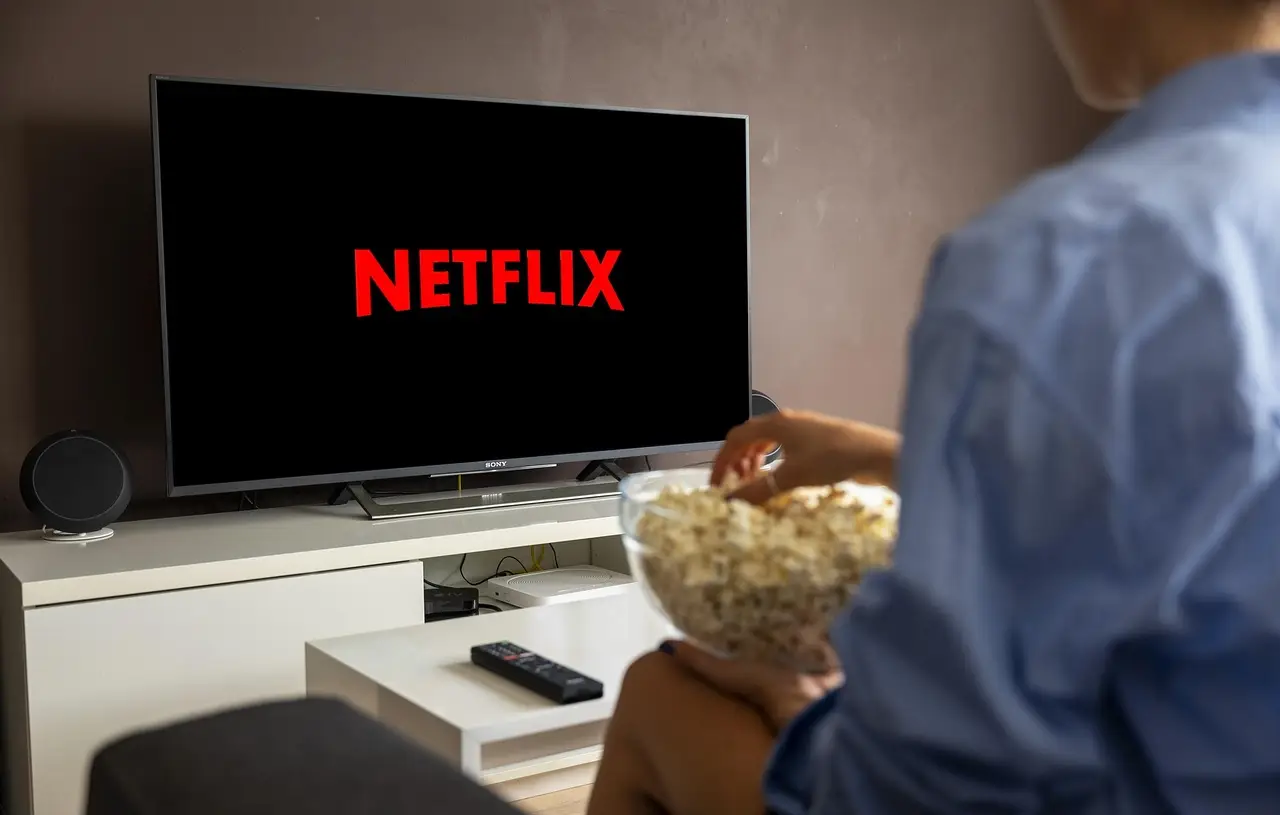
CTV ad platform Tatari launched Tatari Max on Thursday, an optimization engine that sits at the ad server level and decides which TV ads to serve to which audiences. The product lands as AI tools make ad versioning cheap and abundant, while accurate matching remains the hard part.
Tatari CEO and Co-Founder Philip Inghelbrecht is explicit that the product is not agentic AI. Agentic systems rely on a series of "if, then" rules and automate existing processes. Tatari Max instead uses machine learning that evolves over time as new data emerges, Inghelbrecht said.
The engine reads signals including device IDs, shopping behavior and demographic information to determine which people — and types of people — respond best to specific ads. It also calculates an "affinity score," which measures "the extent to which an impression is best fit for a particular brand," based on previous viewers' engagement, according to Inghelbrecht.
What did early testing produce?
Activewear brand Rhoback, an early tester, saw concrete results. Over a one-month test of a Hulu ad promoting a new women's activewear collection, Rhoback recorded a 32% increase in purchases and a 10% increase in site visits.
Rhoback began as a men's clothing brand and has spent this year expanding its women's line and collegiate sportswear. Those segments are newer, so Rhoback has less data on how potential customers respond to its ads. TV mainly serves as an "awareness play" for finding new customers, said Caroline Nemceff, senior digital marketing analyst at Rhoback, and the self-learning element should help the brand "learn who the correct user is" for a given creative.
It is too soon for demographic breakdowns on which audiences respond to which creatives, Nemceff said. Rhoback paused the tests due to external factors shortly after implementing Tatari Max, but it plans to return later this year. "We are planning to test Max again on ESPN using our collegiate creative, and expand into Hulu during [Black Friday and Cyber Monday] with our sale creative," she said. "It's only going to get better," she added, "because you're feeding it more data and more data points."
How does Tatari Max see more inventory?
Tatari Max is built on Upstream, Tatari's supply-side stack that integrates with publishers at the ad server level. Similar products, such as Meta's Advantage Plus and Google's Performance Max, connect only to the company's own inventory. Upstream plugs into several premium TV publishers, including Paramount, Peacock and Disney, so clients can see all accessible inventory across the TV world.
Upstream is not limited to programmatic inventory, Inghelbrecht said. Because it sits at the ad server level, it also sees data on inventory available only as direct buys. More data gives the AI more to learn from, which lets it improve rapidly.
That data depth drew captioning and live transcription app Rylo, which started working with Tatari about two months ago and began testing Tatari Max at the same time. Annica Lin, Rylo's VP of growth, said Tatari has outperformed other CTV ad platforms for the app, and that more customers now say they discovered the brand on TV.
Who actually responds to the ads?
Most Rylo users are older individuals, because the app targets people who are deaf or hard of hearing. Directly targeting older people is difficult because many of them "are not tech-savvy," Lin said. Tatari Max's household targeting found that the strongest responders were often younger household members — adult children or caretakers. "They are the people who actually [are] influenced and then help their parents to download the app," said Lin.
Tatari Max determined that testimonial ads, in which hard-of-hearing individuals describe their experience with Rylo, worked best with that younger demographic. Rylo now thinks more about "how to communicate with the caretaker or the kids" rather than targeting potential users exclusively.
For performance advertisers, the lesson is practical: the buyers an ad influences are not always the buyers an ad targets, and optimization engines with wide data access can find that gap.
via AdExchanger (Source)
More from Priya Raman
Show full bio
Correspondent covering people, launches and day-to-day practice in marketing, advertising, marketing technology, media, SEO and search at Marketing Herald.
166 articles
More on the wire
- Agentic AI Moves Into CTV Buying — With Humans Still in the Cockpit
- Google Expands Agentic Commerce Tools Ahead of Holiday Shopping Rush
- Brands Expect Little Holiday Sales Lift From ChatGPT Ads
- Measurement Gaps Keep ChatGPT Ad Budgets in Test Mode
- OptimizeRx Expands Programmatic Reach With The Trade Desk Deal