MH-8831Advertising & Media
SharkNinja Bets Five Years on McLaren and F1 Fandom
SharkNinja launched its five-year McLaren F1 sponsorship early, gaining driver access and engineering hours, while DAIVID ranked Cheetos' Halloween spot among the scariest ads ever.
Wire notes
- SharkNinja signed a five-year McLaren F1 sponsorship and activated it in mid-September, months ahead of the usual February start.
- Cheetos' 'Man at The Bottom of The Bag' ranked ninth-scariest ad of all time, predicted to frighten 15.3% of viewers (DAIVID).
- This year's Halloween campaigns were 32% less likely to provoke intense fear than 2025's, per DAIVID.
- YouTube posted $11.2 billion in quarterly ads revenue and takes 15.8% of U.S. TV viewing.
- Anthropic's ad spend climbed from $33 million in 2024 to $147 million in 2025, per its IPO filing.
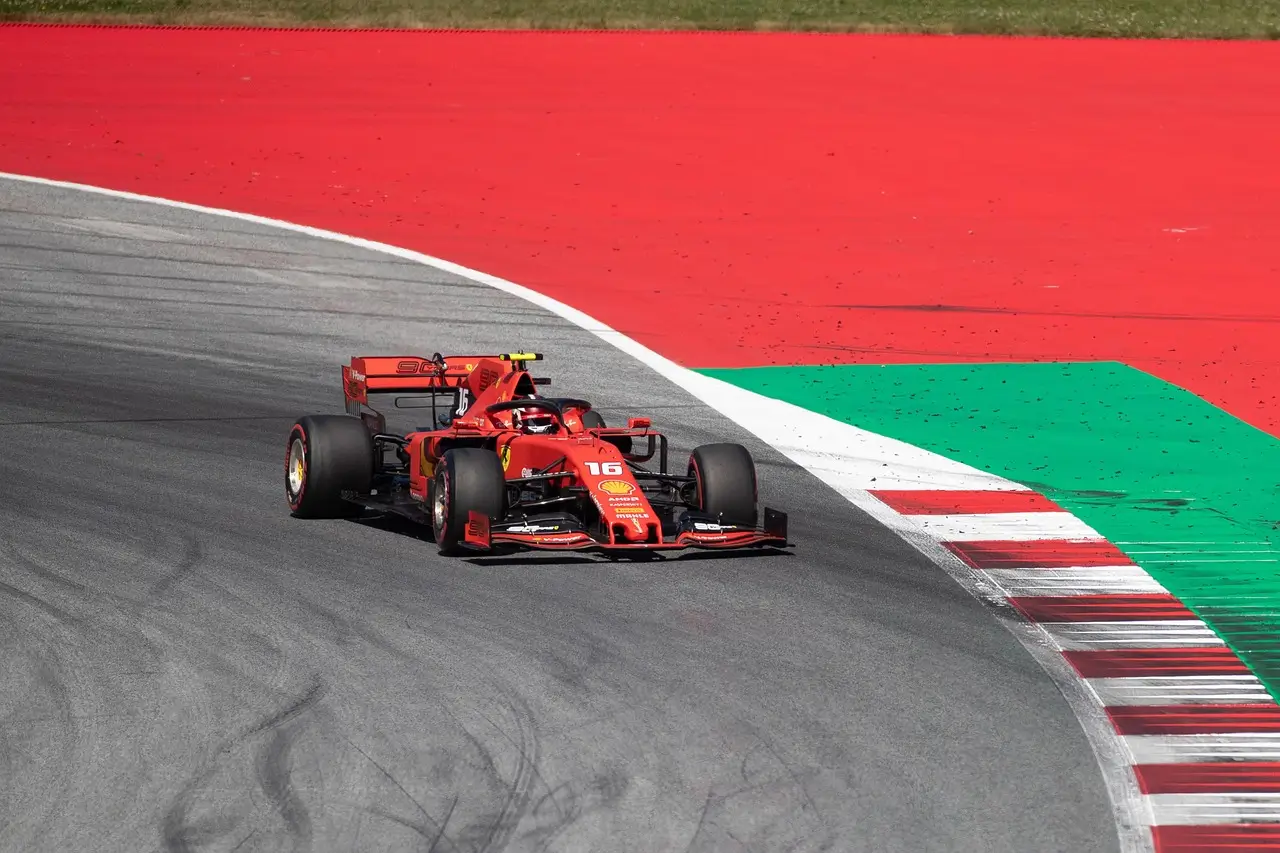
SharkNinja signed a five-year sponsorship of McLaren and started it in mid-September, months earlier than F1 sponsors typically arrive. The deal gives the appliance maker four racing series, access to McLaren engineers in its labs, and a direct line to drivers Lando Norris and Oscar Piastri.
The move follows a short-lived boost from Brad Pitt's racing film last year. "The movie was great but it spiked and then it left," said Laura Dyer, svp of global brand and partnerships at SharkNinja. "What's great about this is it's going to continue."
Why did SharkNinja start the deal early?
F1 sponsors usually appear over the winter, ready for their logos on the new car in February. SharkNinja asked McLaren whether anything could go live before the year ended. McLaren agreed. That hands the brand several months of practice ahead of 2027.
The practice matters because SharkNinja has never backed a sports property of this scale. Its earlier sports deals were built around single moments:
- At the Women's Rugby World Cup it was an official appliance partner, running stands at match venues, a fan zone at Battersea Power Station and a social series on matchday prep.
- A year earlier it put Thierry Henry, Peter Crouch and Bastian Schweinsteiger on a faux video call to argue over hosting the best Euro 2024 watch party.
Both campaigns ended within weeks. McLaren offers five years of continuity instead.
How will drivers be used?
Dyer wants Norris and Piastri to help shape ideas rather than read scripts. "Getting them to do the things that they're comfortable with is way better than handing someone a script and saying 'there you go'," she said. Fans follow drivers as closely as teams, so the brand wants both onside.
Most content will run on McLaren's and SharkNinja's channels, and nothing goes live until both sides sign off. Posts will not automatically appear on the drivers' own accounts. "Their channels are theirs to own and theirs to editorialize," said Dyer.
SharkNinja's measurement of engagement remains rough. Dyer warned her answer would be "really wooly." Comments, shares and dwell time carry the most weight, with reach a step behind. Success, in her words, is a fan seeing a post and thinking "'oh yeah, like wicked. I totally get it'. Rather than this feels like advertising."
Further out, the brand will track recognition and sales impact. "When we go hard at a product line with McLaren, we want to see whether or not that changes the trajectory of sales," Dyer said.
McLaren engineers will also sit with SharkNinja's teams in Needham, Massachusetts, for a set number of hours each year to "literally pen to paper solve problems together," according to Dyer. Battery life is one target area. The brand is "really obsessive about the concept of marginal gains," she said. "If we can get a battery to last like 50 seconds longer or get a fan to be 10% more efficient, we'll do it."
What does the wider market show?
Sports sponsorship has shifted in this direction for a while. Live sport remains one of the few moments when a mass audience watches the same thing at once, and brands pay more to join it. What they buy has changed: marketers now want to know what fans themselves are worth.
"We operate more like an agency than a lot of traditional rights holders in that we insight on entering every conversation talking about the brand first," said Ryan Fischer, president at Fenway Sports Management, on an Advertising Week New York panel. His team starts with a client's objectives, then finds a consumer insight or story to amplify across the portfolio.
The F1 film also fixed a perception problem. Before it, Dyer said "people saw us as Shark and Ninja"; afterward, fans grasped the brands were one company. "We were all pleasantly surprised by the sentiment and engagement with our brand in that movie by a fan base that I think really got us," she said. "That was definitely the inflection point to say okay, we should go further into the sport." F1's global audience tops 900 million, but Dyer said: "We're here for everyone, truthfully, and we want to stay for everyone."
Which Halloween ad scared viewers most?
Cheetos' Halloween spot "Man at The Bottom of The Bag" ranked as the ninth-scariest ad of all time, per creative intelligence platform DAIVID. The ad, part of Cheetos' Flavor of Fear collaboration with horror studio Blumhouse Productions, is predicted to make 15.3% of viewers feel intense fear. HBO Max's Halloween trailer ranked tenth.
This year's Halloween campaigns were 32% less likely to provoke intense fear than those released in 2025, DAIVID found. The top of the all-time chart:
- 1st: 2025's I Choose Freedom, "End The Horror" — 24.5% predicted intense fear
- 2nd: 2025's Universal, "Dare To Answer The Black Phone" — 21.6%
- 3rd: Six Flags' 2024 "Tick, Tick, Tick" — 19.5%
- 4th: 2025's Hatch, "Goodnight, Phone" — 18.9%
- 5th: 2025's Sixt, "Renting With Competitors Can Be Horror" — 18.6%
DAIVID ranked ads by the share of viewers predicted to feel intense fear, defined as a score of eight to 10 on a 10-point scale. The average Creative Effectiveness Score rose slightly, from 5.84 out of 10 last year to 5.85 for 2026 — evidence that less fear has not meant less effectiveness.
Also this week
Google's svp and chief business officer Philipp Schindler, on the company's latest earnings call, said: "Given that there is almost never only one perfect option for a decision, we're confident that we can actually provide really interesting, compelling advertising models for agentic use cases."
Key figures: YouTube posted $11.2 billion in quarterly ads revenue; Instagram now allows 90-minute horizontal videos; creators must enroll in X's new Video Bonus Program by 30th Oct; and YouTube accounts for 15.8% of U.S. TV viewing.
Elsewhere, Anthropic's IPO filing showed ad spend rising from $33 million in 2024 to $147 million in 2025, alongside $16.3 billion in first-half revenue; Apple's Safari identity block is hitting publisher ad revenue; The Times of London will test "macro payments" for one-off products; and Stagwell bought Freestar, the ad sales firm behind Fortune and Boston Globe Media, gaining direct access to publisher inventory.
SharkNinja's five-year commitment signals how sponsors now treat loyal fan bases, not broadcast inventory, as the asset worth paying for.
via youtube.com (Original)
More from Elena Vasquez
Show full bio
Senior reporter covering technology and product news in marketing, advertising, marketing technology, media, SEO and search at Marketing Herald.
192 articles
More on the wire
- SharkNinja Turns a Brad Pitt Movie Deal Into a Five-Year McLaren F1 Partnership
- Apple Says F1 Viewership Up Double Digits Since Streaming Deal Began
- Michelob Ultra Signs Multiyear Deal to Become Official Beer of NHL
- Liquid I.V. Trades Singing Toilets for F1 Precision in McLaren Debut
- Soaring US Open Ticket Prices Push Sponsors Beyond the Stadium