MH-4559Retail Media & Commerce
Philips Sonicare Cuts Customer Acquisition Cost 75% via Amazon Ads
Philips Sonicare cut acquisition costs 75% and gained 24% incremental reach by consolidating streaming TV ad buys across six publishers through Amazon Ads Agent.
Wire notes
- Philips Sonicare cut customer acquisition cost by 75% during the 2025-26 upfront season.
- The brand gained 24% incremental reach among high-intent audiences via consolidated Amazon buys.
- Consumers who saw streaming TV ads showed a 15x higher purchase rate than Sponsored Ads-only viewers.
- 86% of the oral care audience segment was not considering Philips products before the campaign.
- Amazon replaced Amazon DSP with a new product called DVA (display, video and audio).
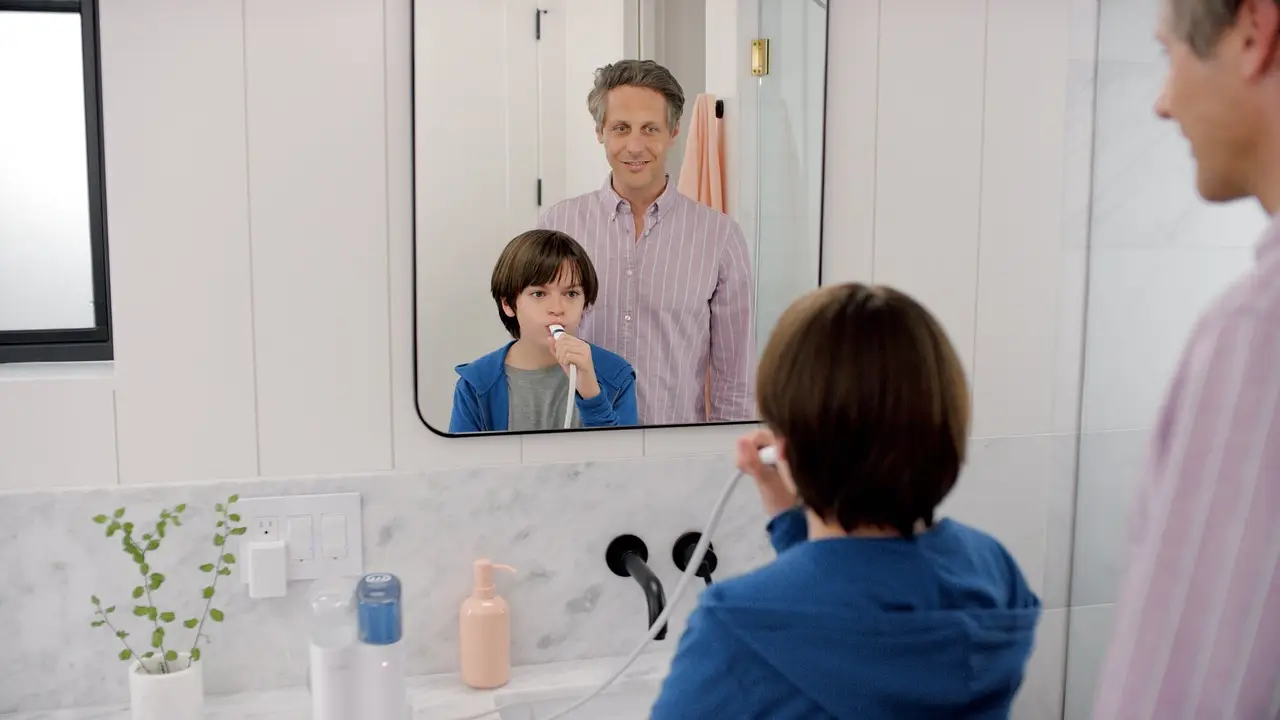
Philips Sonicare cut its customer acquisition cost by 75% after consolidating its streaming TV ad buys inside a single Amazon buying platform during the 2025-26 upfront season. The brand also gained 24% incremental reach among audiences likely to buy its products, according to results from the consolidation effort.
The electric toothbrush and water flosser maker bought streaming media through Amazon Ads Agent across Paramount+, Roku, Tubi, Peacock, TelevisaUnivision and Warner Bros. Discovery. Previously, it had to negotiate and manage each of those publishers separately.
Why did Philips consolidate its streaming buys?
The core rationale is simplification. When media workflows merge, ad transactions require fewer dashboards and third-party intermediaries, which improves campaign efficiency and performance.
Philips Sonicare already used Amazon's Sponsored Ads (ads placed within Amazon's own shopping site) to market its products. It wanted to expand its audience after finding that 86% of the oral care audience segment was not considering Philips products. To reach those consumers, the brand paired Amazon's data with its own first-party data to build custom segments of shoppers in market for oral care who had never bought from Philips.
Amazon has consolidated on its side too. The company replaced Amazon DSP, its demand-side platform (software advertisers use to buy ads programmatically), with a new product called DVA, which stands for display, video and audio.
What do the executives say?
Priyanti Telang, director of Amazon activation, retail media and digital shelf excellence for Philips North America, said: "By working with Amazon Ads to consolidate our streaming TV investment, we can apply one audience strategy across our portfolio, and manage reach and frequency more effectively while better understanding what happens after an ad is seen."
Buying media and pulling reports from several platforms is "highly inefficient" because audiences overlap across publishers, said Chris Conetta, director of omnichannel supply for Amazon Ads. Marketers "lose a lot of the incrementality you get when using one tool that can measure audiences across multiple touchpoints," he said.
Centralized buying also speeds up reporting for Philips and improves cross-channel visibility, which lets advertisers learn more about their audience and adjust campaigns accordingly.
How did the ads perform?
Philips measured a 15x higher purchase rate among consumers who saw its connected TV ads (ads delivered to TVs via internet streaming) than among consumers who only saw a Sponsored Ads placement online.
Telang said one of the clearest findings of the effort is that "streaming can generate measurable intent." After seeing the CTV ads, more consumers searched online for Philips products by name, she said, and "that intent translated into purchases."
Conetta offered a caveat: the lift resulted from customers seeing Philips ads on both streaming and Amazon's site. Industry research, as the source notes, suggests diversified ad formats can drive improved brand results.
What does this mean for streaming TV?
Telang positioned the results as proof of streaming's role "as a contributor to commercial performance as well as brand awareness," not only a top-of-funnel awareness channel.
The logic extends beyond Amazon. Retailers with rich purchase data can attract brands seeking better attribution and performance measurement, including on streaming TV. Expect the "full-funnel" argument — streaming as both brand and sales driver — to dominate future CTV advertising discussions.
via AdExchanger (Source)
More from Elena Vasquez
Show full bio
Senior reporter covering technology and product news in marketing, advertising, marketing technology, media, SEO and search at Marketing Herald.
352 articles
More on the wire
- Amazon Ads Agent Unifies Ad Buying Under AI at UnBoxed 2026
- Amazon Ads Adds Cross-Retailer Audience Targeting via Attain
- Magnite and PubMatic Sign ChatGPT Ad Deals as OpenAI Builds Partner Bench
- Amazon's Thursday Night Football Pulls In Non-Endemic Brands
- Amazon Shows Users Its Assumptions — Including the Shape of Your Butt