Nearly 80% of Top Advertisers Run Hybrid Media Models, COMvergence Finds
COMvergence's first Global Advertiser Survey of 21 brands controlling $22B in media spend finds nearly 80% run hybrid models, with in-housing now about capability, not cost cutting.
Wire notes
- Nearly 80% of 28 surveyed leaders at 21 advertisers controlling over $22 billion in media spend describe their setup as hybrid; fewer than 18% run media fully in-house.
- More than 85% of in-house operators run social media themselves; search, display and programmatic trail at roughly 57%.
- More than 80% of advertisers using multiple agencies plan to simplify or consolidate their rosters.
- More than 40% of respondent feedback focused on agency operating models — team structure, work splits and media governance.
- Half of respondents use global hubs or offshore resources in India, Colombia, Brazil and Mexico.
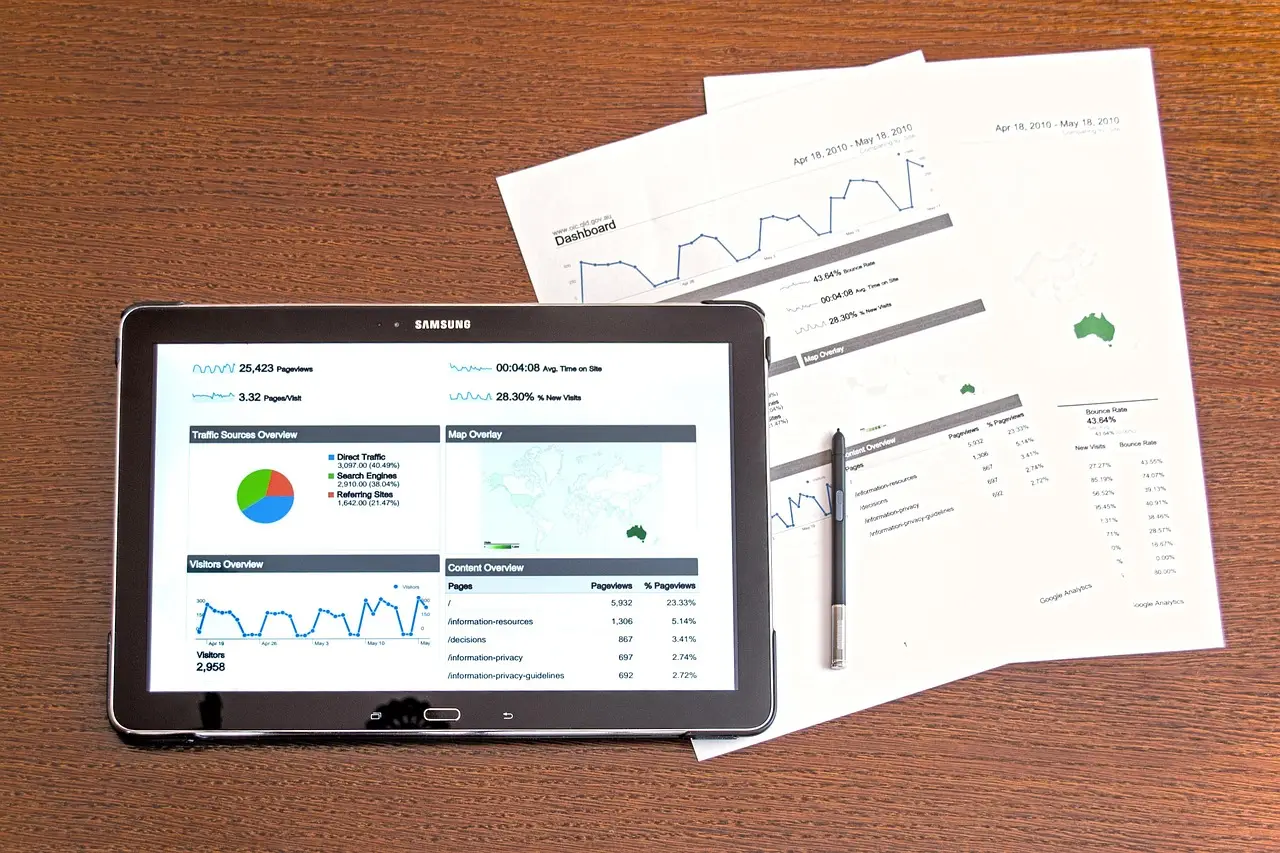
Nearly 80% of senior advertisers describe their media operation as hybrid, while fewer than 18% run media entirely in-house, according to COMvergence's first Global Advertiser Survey. The study polled 28 senior marketing, media, procurement and operations leaders at 21 global advertisers who together control more than $22 billion in media spend. A quarter of those advertisers buy or control media in-house; of the rest, roughly a third are considering bringing spend in-house within 12 months.
The report settles an argument that has run for a decade. Media agencies have not died, but their job description has changed. Advertisers keep the work closest to the brand and hand specialist tasks back to agencies.
What changed the motive?
The original case for in-housing was cost and transparency, sharpened by the ANA's 2016 report on agency rebates. That motive has moved on, said Scott Grenz, head of U.S. operations for COMvergence. "Agencies have become more transparent, and advertisers are looking at their media ecosystem as a whole, asking how best to use all their resources, internal and external, to hit their critical KPIs."
The evidence sits in the brands themselves. Mars is staffing internal teams to prepare for agentic shopping. Gap has set up its own entertainment studio. Lego brought programmatic in-house partly to make better informed calls on ad tech vendors.
"The CMO isn't always the one pushing," Grenz said. "Much of the energy comes from internal media, procurement and data/analytics teams."
Jon Williams, founder and chief creative officer at Freedom Works, frames the split in football terms: "You build your own academy and you're proud of it. You still buy a striker when you need goals. You just don't keep a dozen agents on the payroll in case."
Which channels go in-house first?
In-house teams follow the budget, and the budget is digital. The largest group of respondents puts 60% to 70% of total media spend into digital, with only a small minority below 30%. More than 85% of in-house operators run social themselves. Search, display and programmatic trail at roughly 57%.
Retail media, CTV and influencer marketing remain mostly agency-run. All three are fragmented and specialized enough to keep agencies in demand. Retail media's sprawl of networks and measurement approaches is precisely the mess advertisers appear willing to pay someone else to untangle.
Will crowded rosters last?
More than half of the marketers interviewed use more than one media agency, and more than half bring in digital specialists alongside their main agency. That crowding has a shelf life. More than 80% of advertisers working with multiple agencies plan to simplify or consolidate.
"Some of it is procurement," Williams said. "One in-house lead told us it took nine months to get a new supplier set up. Do that ten times and you'll consolidate too. And AI is taking away a lot of the everyday work that used to keep four or five agencies busy."
Half of respondents use global hubs, offshore resources or both, with India, Colombia, Brazil and Mexico handling digital operations, programmatic buying and social execution. Advertisers see these setups as agency-run, and COMvergence expects hubs to become a bigger agency differentiator as labor costs rise and execution gets automated.
Asked what they want more of, respondents pointed at agency operating models, which made up more than 40% of all feedback: how peers structure internal teams, split work and govern media investment.
What does this change for practitioners? "It isn't all or nothing," Grenz said. "Advertisers are working out the right mix of internal and external expertise to make their media effective." The sample is small — 21 advertisers can swing percentages — and COMvergence will run the survey annually, so the second edition will show the direction of travel more clearly than this first snapshot.
via Digiday (Source)
More from Priya Raman
Show full bio
Correspondent covering people, launches and day-to-day practice in marketing, advertising, marketing technology, media, SEO and search at Marketing Herald.
385 articles