MH-1320Advertising & Media
Maritz Turned a Registration Survey Into an Event Lounge
Maritz built Elevate 2026's Elevation Lounge around survey answers on where attendees feel most authentic, after feedback showed networking barriers at last year's event.
Wire notes
- Elevate 2026 brought about 300 clients, supplier partners and staff to Scottsdale, Arizona.
- A post-event survey after the prior year showed attendees wanted earlier connections and lower engagement barriers.
- Claire Lester, senior design studio strategist at Maritz, said people connect on low-risk emotional items, not business elements.
- The Elevation Lounge served as home base for networking, meals, learning sessions and Braindates; partners were Encore and Hello! Destination Management.
- Maritz's data science team will evaluate the approach and feed results into next year's event design.
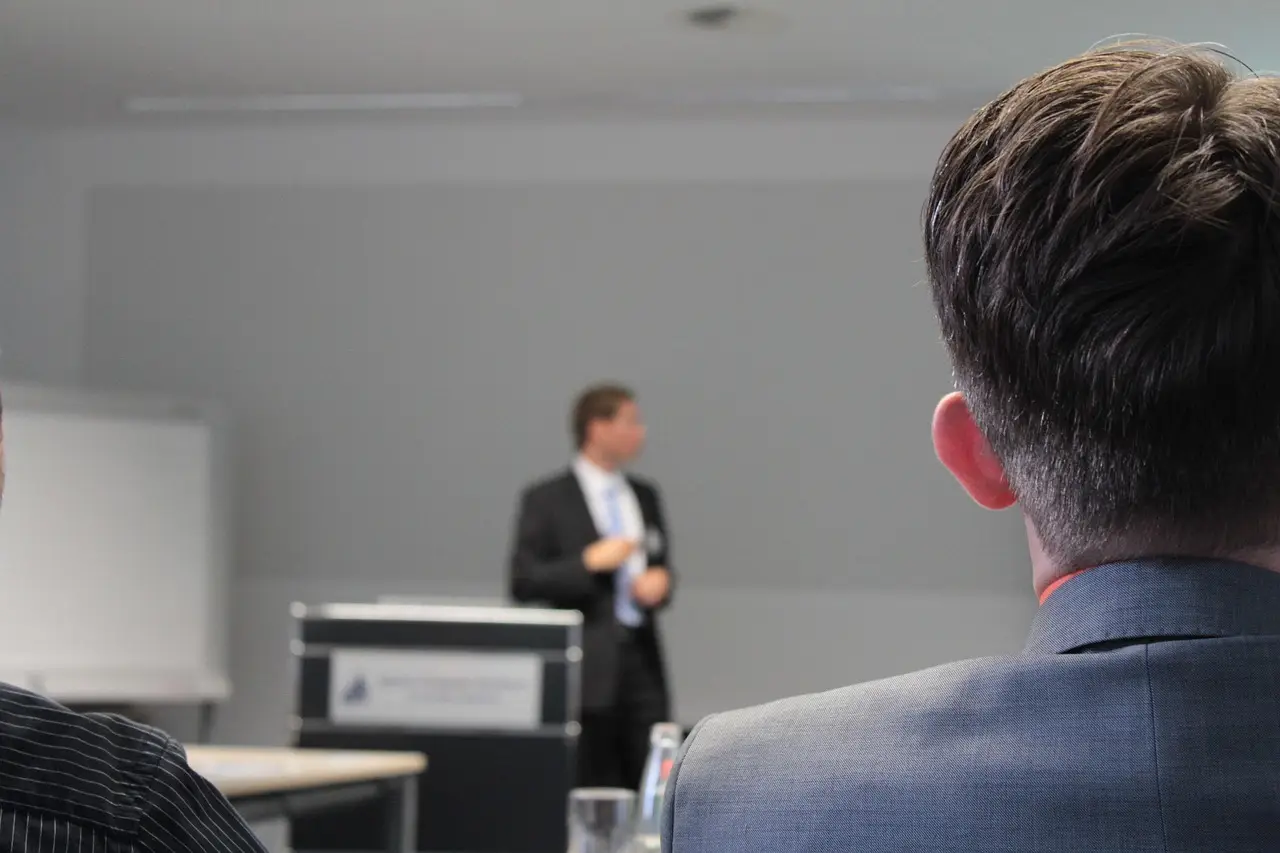
Maritz asked two questions in its registration survey for Elevate 2026 — "Where do you feel like your most authentic self? Where do you feel most alive?" — and built the event's central space around the answers. Roughly 300 clients, supplier partners and staff gathered in Scottsdale, Arizona, earlier this year for the brand event.
The design decision came from direct attendee feedback. After last year's event, a post-event survey showed attendees wished they had made connections earlier and wanted a lower barrier to engaging with new people. The Maritz team treated that insight as its guiding principle: ground the experience in belonging and authentic connection from day one.
What drove the design?
Claire Lester, senior design studio strategist at Maritz, explained the psychology behind the approach. "People tend to connect on low-risk, emotional items, not on business elements," she said.
To find the right environments for those conversations, the team offered survey choices including "in nature," "by the water," "at a concert" and "at home." The answers shaped the Elevation Lounge, the first space attendees encountered on arrival. Each guest could move immediately to the setting that felt most comfortable and join like-minded attendees.
The lounge then functioned as home base for the entire event. Attendees used it for networking, meals, learning sessions and Braindates (structured peer-to-peer meetings arranged around shared topics). Delivery partners included Encore and Hello! Destination Management.
How does personalization work here?
Familiarity did the heavy lifting on anxiety reduction, according to Lester. "When you get familiar with the space, there's not that much anxiety in terms of what to do and how to act. People found their favorite nooks and crannies, and made it their own," she said.
She also challenged a common assumption in event personalization. "Sometimes we think about personalization as how do we satisfy the most people instead of thinking about personalization as where do we meet people where they are," Lester said.
Was it measured?
The verdict now sits with Maritz's data science team. The results will inform next year's event design. Lester flagged one structural gap: event-design decisions made only from past attendees' responses. Learning about first-time attendees is harder, she said, but crucial.
Her team addresses this by asking preference questions early in the registration process. "We actually consider 'What do you want at an event?' a lazy question. It puts a lot of pressure on the person answering. Instead, we provide preference choices, which creates a range of data that allows us to be more intentional with the experiments we're looking to try at an event," Lester said.
On ROI, she advocated starting planning with a clear definition of success, then extrapolating and measuring outcomes. The method can be direct. "If one of our outcomes is for people to feel a sense of belonging, we ask them, 'How did you feel in terms of belonging?' Sometimes it's as simple as that," Lester said.
The Elevate model points to a broader shift: preference surveys are moving from registration paperwork to the architectural core of event design.
via eventmarketer.com (Source)
More from Elena Vasquez
Show full bio
Senior reporter covering technology and product news in marketing, advertising, marketing technology, media, SEO and search at Marketing Herald.
276 articles
More on the wire
- Athletes Are Becoming Media Companies — If Brands Let Them
- Ad Tech's ARI Gave Converse's Pulled Ad an F. ChatGPT Gave It a B Minus
- Charlotte's Web Took CBD Sales Across State Lines — and Generated 9,000 Advocacy Emails
- Depop Puts Music at the Center of Its Marketing Strategy
- Dentsu X CEO Bruce Williams: Campaigns Can Beat Media Fragmentation