MH-3329PR & Comms
J.P. Morgan Runs Its Town Halls Twice — and Employees Still Missed the Point
J.P. Morgan runs each global town hall twice for overseas staff. One confused executive email revealed the team had built access but failed to signal it, said Diana Sweis.
Wire notes
- A J.P. Morgan executive hosts global town halls twice, with the second session at 9 p.m. Chicago time for overseas employees.
- Diana Sweis, director of internal and executive communications at J.P. Morgan, spoke at Ragan's Internal Communications Conference at Microsoft HQ in Redmond, Washington, last month.
- An executive committee member emailed after a morning session to ask if the evening session would really be live.
- One 'Saturday Night Live'-style opening line clarified the session was live and invited questions.
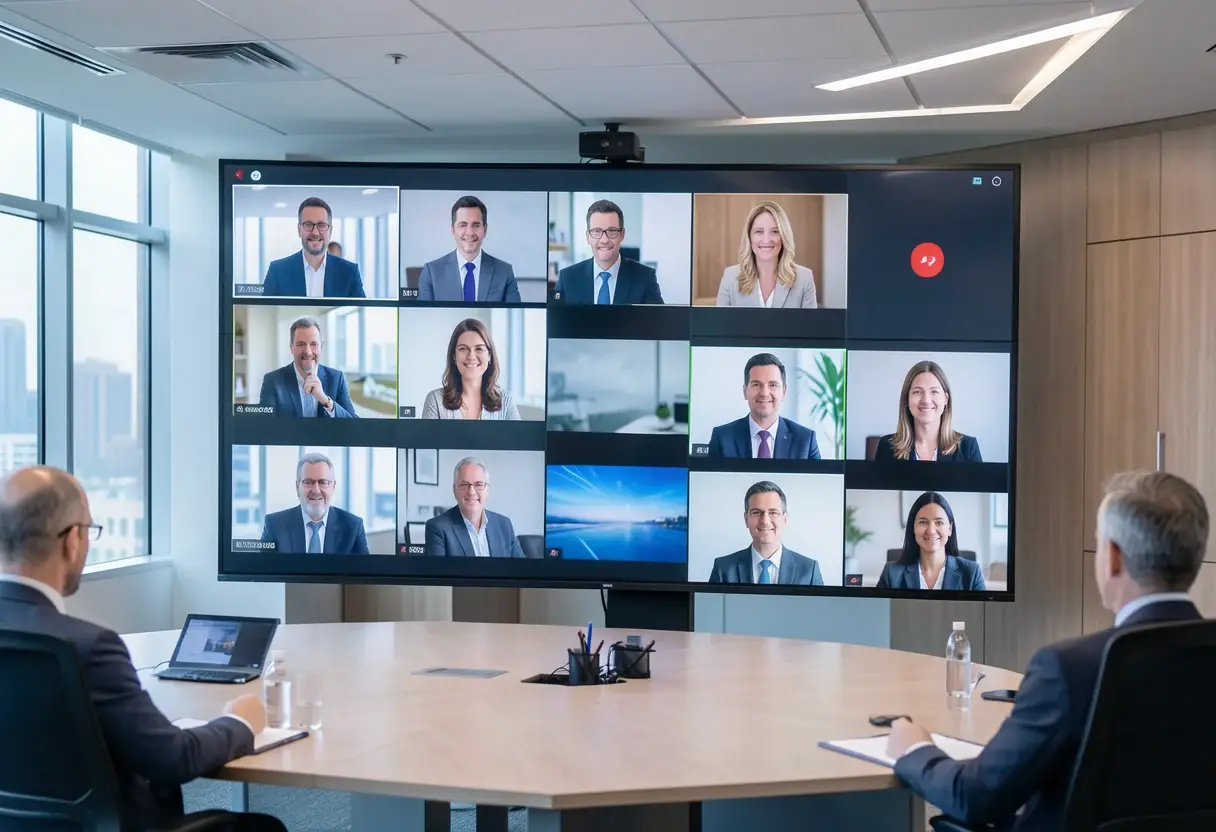
A J.P. Morgan executive committee member hosts every global town hall twice — once in the morning and again at 9 p.m. Chicago time — so employees overseas can watch live. One sentence was all it took to make that effort register with the audience.
Diana Sweis, director of internal and executive communications at J.P. Morgan, shared the story at Ragan's Internal Communications Conference, held last month at Microsoft HQ in Redmond, Washington. Her account turns on a distinction many internal comms teams skip: an employee communications challenge is not always an engagement challenge. Sometimes it is an access challenge, and the fix is simpler than a new engagement strategy.
What went wrong with the double town hall?
The two-session format existed for a clear reason. Employees around the world needed a live time slot that fit their working day. The morning session served one set of time zones. The 9 p.m. Chicago session served the rest.
The format worked. The signaling failed.
After one morning session, an executive committee member emailed the communications team. He wanted to know whether the evening edition would really be live, or whether the team would simply replay the morning recording.
"I was shocked," Sweis said. "Either we were extremely polished, or we'd failed to make the effort visible."
The email exposed a blind spot. The team had built access. It had not told anyone the access existed.
How one sentence fixed the signal?
Sweis asked the leader to open the next town hall with a nod to "Saturday Night Live." The reference is familiar to a broad audience, and it carries one built-in message: this is happening now, on air, in front of you.
The leader told viewers he was coming to them live from Chicago, and that they should have their questions ready.
"One sentence clarified that the session was live," Sweis said. "It invited participation and made the scheduling choice visible."
That single line did three jobs at once, according to Sweis's account. It confirmed liveness. It invited questions. It explained why the session ran at an unusual hour.
What does this change for internal comms teams?
The case reframes how teams diagnose quiet audiences. Before assuming employees do not care, communicators should ask whether employees know what is on offer. A live session that reads as a replay invites no questions. The same session, labeled as live, becomes a conversation.
The mechanism is cheap. It costs one sentence of airtime, not a new platform or a new campaign. The lesson from the J.P. Morgan example is that access work needs its own visibility work — and that even executive committee members will not infer the effort on their own.
via jpmorgan.com (Original)
More from Elena Vasquez
Show full bio
Senior reporter covering technology and product news in marketing, advertising, marketing technology, media, SEO and search at Marketing Herald.
291 articles
More on the wire
- M&T Bank gives town hall questions 10 to 15 minutes
- The Conference Trap: Why More Meetings Don't Mean More Opportunities
- Rethinking Internal Comms Metrics: Reach, Engagement, Understanding, Behavior
- Cornell Deploys Largest PR Response Yet After Gang Rape Allegations
- Ragan's 2026 Zenith Awards Turn the Spotlight on Communicators