MH-4967
Hackers Expose Data of 22 Million People in Attack on French Postal Tech Firm
A September hack on Maileava, part of France's La Poste group, exposed names and postal addresses of some 22 million people, Paris prosecutors confirmed.
Wire notes
- A September hack on Maileava exposed personal data of about 22 million people, Radio France reported.
- The breach compromised names and postal addresses but not banking data, the company said.
- Maileava is part of Docaposte, the digital division of France's La Poste group.
- A DDoS attack attributed to pro-Russian group Noname057 disrupted La Poste services from 22 December to 5 January, with no data leak.
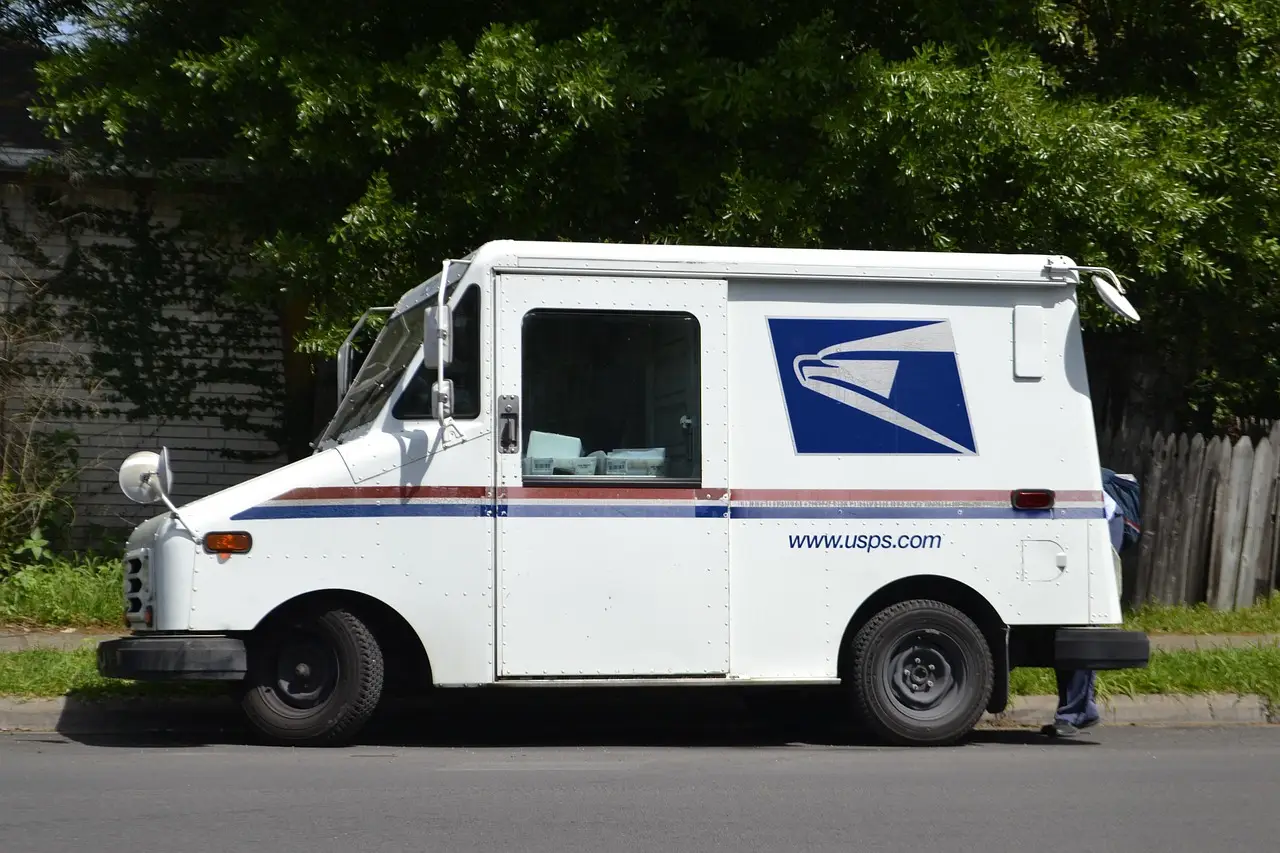
A September cyberattack on Maileava, the mail-services company inside France's La Poste group, exposed the personal data of roughly 22 million people, according to Radio France. The Paris Prosecutor's Office confirmed the scale of the breach on Sunday.
The compromised records include first names, surnames and postal addresses of mail recipients. Banking data and other financial information were not affected, the company said in a statement. The attackers' method has not been disclosed.
France's cybercrime unit is investigating the intrusion.
Who was affected?
Maileava said the people affected were recipients of correspondence sent by its clients, and that all organizations involved have been notified of the incident. That detail matters for marketers: the breach did not hit account holders of a single brand, but the audiences of many companies and public bodies that use the platform to send mail.
Maileava belongs to Docaposte, the digital division of La Poste that supplies technology services to companies and public institutions across health, finance and public services. The platform specializes in business mail delivery and sends payslips, registered letters, invoices and official notices. It also serves hospitals and companies that administer social housing.
What does this change for practitioners?
The exposed data gives criminals material for highly targeted fraud. Antoine Hautin, secretary-general of cybersecurity firm Almond, which is not involved in the investigation, told Franceinfo that the records can feed large databases traded on the dark web. Criminals can use them to craft fraudulent messages that imitate legitimate communications, including with the help of artificial intelligence tools, he said.
For brands that send invoices, payslips or official notices through third-party platforms, the risk is twofold. Their recipients' identities and home addresses are now potentially in criminal hands, and those same details make impersonation emails and letters more convincing. Companies using Maileava should expect recipients to receive fraud attempts that appear authentic, and should factor that into customer communications.
A repeat incident for La Poste
This is not the first large-scale attack on the La Poste group. A distributed denial-of-service (DDoS) offensive, which floods systems with massive simultaneous traffic, disrupted the company's digital services during the Christmas and New Year period, between 22 December and 5 January.
The pro-Russian hacker group Noname057 claimed responsibility for that attack, which affected parcel tracking and access to online banking services. According to La Poste, the offensive extended until 5 January 2026 but caused no data leak.
Unlike the DDoS episode, the Maileava breach involved actual data exposure rather than service disruption. With 22 million names and addresses potentially circulating on dark-web markets, organizations that relied on the platform now face a longer tail of phishing and impersonation risk directed at their recipients.
via oglobo.com (Source)
More from Priya Raman
Show full bio
Correspondent covering people, launches and day-to-day practice in marketing, advertising, marketing technology, media, SEO and search at Marketing Herald.
320 articles
More on the wire
- Microsoft Outage: 130,000 Outlook Reports and a Cloud Puzzle
- Tinder fined €11 million by Irish regulator over data access failures
- Microsoft 365 outage hit nearly 140,000 Outlook users worldwide
- DebugBear Tells Customers to Remove Its Script After DNS Hack
- Newsweek, Tom's Hardware Built Stories on Reddit Posts