MH-1430Retail Media & Commerce
Google Wallet Lands on iOS Without Tap-to-Pay, Targets Agentic Purchases
Google Wallet arrives on iOS in the US without tap-to-pay, instead scanning loyalty cards, summarizing purchase emails and serving as a 'secure hub' for agentic purchases.
Wire notes
- Google Wallet launched on iOS in the US without tap-to-pay due to platform restrictions
- Google positions the app as a 'secure hub for managing agentic purchases across Google'
- The app digitizes loyalty cards and gym memberships via camera scanning
- A floating pill in Liquid Glass design provides navigation with two tabs
- Payment cards added in Wallet can be used for checkout in Chrome
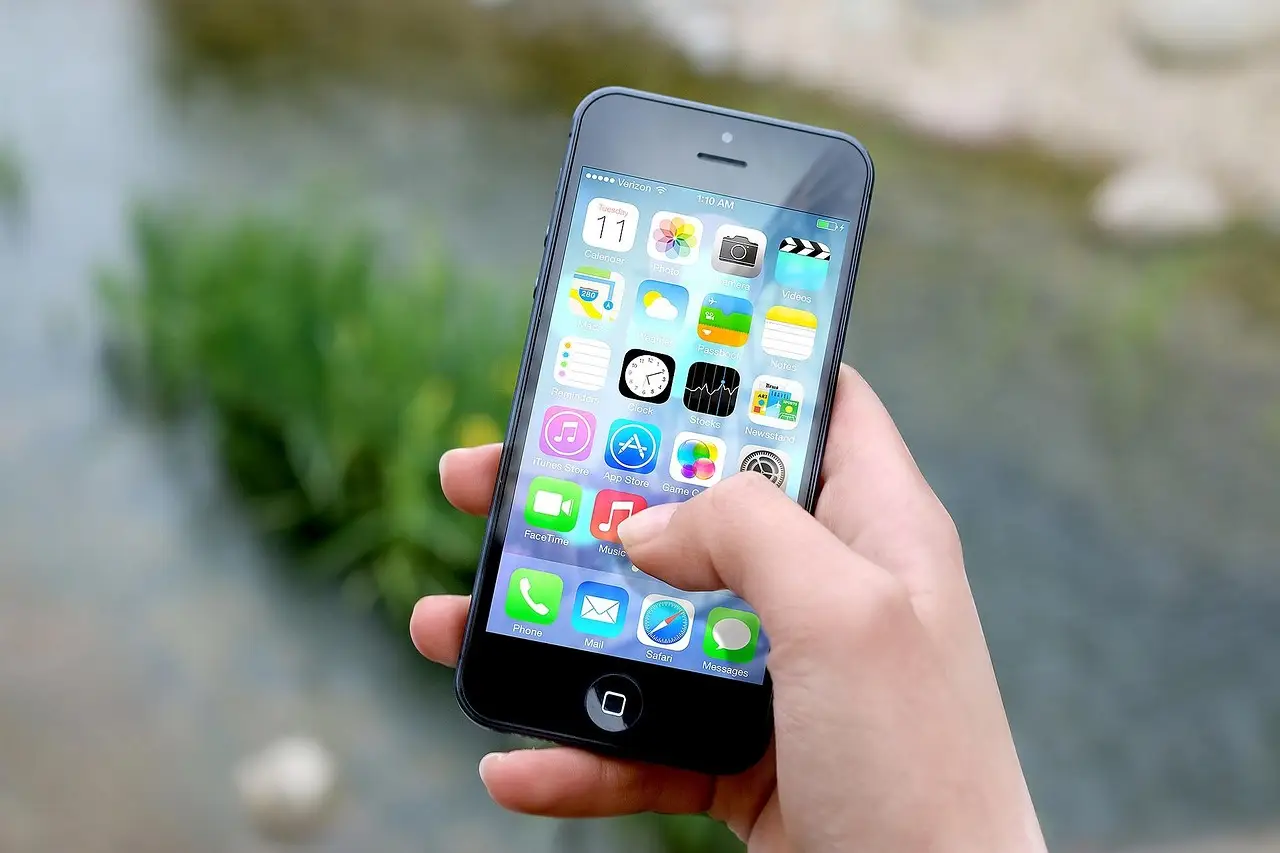
Google has launched the Google Wallet app on iOS in the US, but the app cannot make tap-to-pay purchases because of Apple's platform restrictions. Instead, Google positions the app as a place to "organize purchases, tickets, boarding passes, and more in one easy place" — and, more significantly, as a "secure hub for managing agentic purchases across Google."
That last phrase carries the strategic weight. Google says it wants users to "stay in control of agentic purchases made across Google" and to "easily view and manage order confirmations, receipts, and delivery updates all in one secure place." In plain terms, Google expects AI-mediated buying across its services to grow, and it wants iOS users to have a dedicated surface for tracking what those automated purchases actually produce.
What does the app actually do on iPhone?
Google promotes three use cases for the iOS build:
- Card digitization. Users can "quickly scan loyalty cards and gym memberships using your phone's camera to import them into Google Wallet."
- Online checkout management. The app lets users "securely manage payment cards to check out faster online across Google and anywhere you use Google Pay."
- Agentic purchase oversight. Users can "easily view and manage order confirmations, receipts, and delivery updates all in one secure place."
Navigation follows a familiar pattern for anyone tracking Google's current design language. A floating pill, rendered in Liquid Glass, sits over the interface and holds two tabs.
How the interface is organized
The homepage opens with a carousel of recent purchases slated for delivery. Boarding passes follow. A grid of loyalty cards closes the page.
The second tab lists recent transactions associated with the user's Google account. The Wallet app will display purchase emails and summarize them. The same tab holds a list of Passes, which users can pin or unpin from the homepage, and the payment methods saved to a Google Account.
A plus-shaped floating action button handles additions. Through it, users can add loyalty cards, gift cards and payment cards — the payment cards work in Chrome. An "Everything else" camera scanner digitizes anything that does not fit the standard categories.
What does this change for marketers?
For loyalty program operators, the iOS launch puts scanned membership cards and passes in front of an audience that previously had no native Google home for them. Pinning behavior gives well-designed passes a repeat slot on a user's homepage, which rewards issuers whose passes carry genuine utility.
For commerce teams, the agentic-purchase angle matters most. If Google escalates automated buying across Search, Shopping and its AI surfaces, Wallet on iOS becomes the receipt-and-receipts-adjacent layer where those transactions land. Brands that feed clean order confirmation and delivery data into that flow will appear inside a summary screen Google intends users to check.
The absence of tap-to-pay caps the app's payments role on iPhone, but it does not cap its data role. Transaction lists, purchase email summaries and delivery carousels all flow through one Google-owned surface. Marketers should treat the iOS Wallet as a retention and post-purchase channel first, and watch whether the agentic purchase hub becomes the default receipt drawer for Google-driven commerce.
via 9to5google.com (Source)
More from Priya Raman
Show full bio
Correspondent covering people, launches and day-to-day practice in marketing, advertising, marketing technology, media, SEO and search at Marketing Herald.
348 articles
More on the wire
- Google Wallet Arrives on iPhone Without Its Core Feature: Tap-to-Pay
- Google Wants Its Wallet to Replace the Physical Wallet Entirely
- Google Brings UCP Direct Checkout to AI Mode in Canada
- Google Makes Gemini AI Agent Free — and It Can Now Spend Your Money
- Google UCP Update Lets Merchants Enable Cart Transfer to Site