MH-2186Social Media
Ex-CNN Correspondent Cut Home Internet Three Years Ago. Here Is His Method
Former CNN correspondent Chris Moody cancelled home internet three years ago. His method: engineered friction, not willpower, against billion-dollar attention algorithms.
Wire notes
- Chris Moody's family cancelled home internet over three years ago and kept a landline, originally planned for one summer.
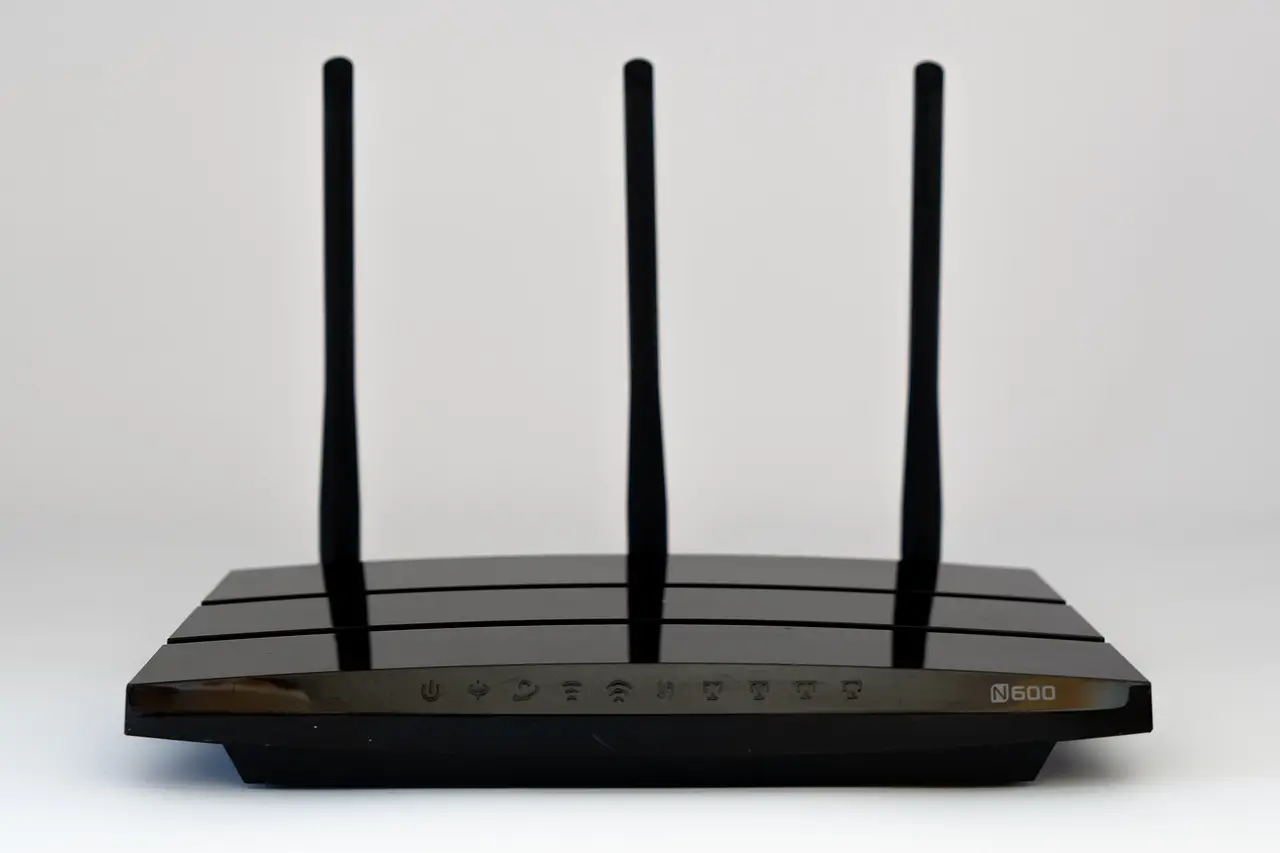
- In New York, Moody ran his router on a timer that switched Wi-Fi off from 8 p.m. to 8 a.m.
- The interview was published November 17, 2026, by Psychology Today, conducted by Yael Hallak.
- Moody teaches journalism at Appalachian State University in Boone, North Carolina.
- Moody: 'If we're going to rely on willpower, we're all going to fail.'
A former CNN senior political correspondent has lived without home internet for more than three years — and he says no amount of willpower could have achieved that. "Billions of dollars are being thrown at us, and no human will ever be able to win that battle every time," Chris Moody told interviewer Yael Hallak in a Psychology Today interview published November 17, 2026.
Moody, now a journalism professor at Appalachian State University in Boone, North Carolina, lives with his wife and three-year-old son in a log cabin with no cell signal. The family cancelled their home internet over three years ago, kept a landline intended as a one-month experiment, and documents the life on their Substack, The Opt Outers. For marketers, his argument reads as a sharp critique of the attention economy from someone who helped build its earliest channels.
Why does willpower fail against the feed?
Moody's first post-college job was in social media at the industry's beginning. He watched what the algorithms did to his friends: "I'm an extrovert, a golden retriever when the doorbell rings, and suddenly everyone just went off and into their screens."
His mechanism is simple. Tech companies profit by knowing what captures attention and feeding it back to users. Every moment with a device in reach becomes a decision, and decision fatigue (the documented decline in self-control after repeated choices) eventually wins. "Even if you're not using it, the phone is still calling; it's like the sirens calling out to Odysseus," Moody said.
He counts himself among the failures, not the disciplined: "No! I have absolutely no willpower. I'm a disaster. When I'm on the road, and there's Wi-Fi all over the place, I just go absolutely mad and end up with no idea how the time has gotten away from me."
What replaces discipline?
Systems, Moody argues — engineered friction (deliberate obstacles placed between a user and an unwanted habit). His prescriptions from the interview:
-
Sabbath spaces: a room, a floor or a corner of the house where connected devices simply cannot enter.
-
Landlining: leave the phone plugged in on the kitchen counter, usable only standing there. "What would have been three hours on the couch comes down to three minutes."
-
Wired, not wireless: question whether household Wi-Fi is needed at all; one wired connection in one room may suffice.
-
Timed routers: in New York, Moody and his wife put phones in baskets by the door and ran the router on a timer that cut service from 8 p.m. to 8 a.m.
-
Set rules sober: "Make the rules when you're sober; you don't want to be relying on yourself when you're drunk."
The professor applies the same logic to consumption. He downloads podcast episodes in town, drives fifteen minutes to a studio for work, and watches a library DVD on a projector on Friday nights. "It takes ten minutes to set it up, and that friction is important," he said. "Everything has a beginning and an end. It's not 'let's just scroll to the next forever.'"
Is real-time information worth the scroll?
Hallak described refreshing X constantly during recent bank and flight outages. Moody dismissed the value of the flow: "Today's channels don't give you any data that's going to help. They just feed an appetite that can't be quenched; they're just empty calories." A weekly Sunday New York Times suffices for most people, he said; only a reporter covering a presidential campaign needs real time.
His evidence points at the audience itself: "Look at the boomers, the richest generation in history, spending their days being angry online. Do they have more information? Possibly. Are they any happier? No."
His undergraduate students, he reports, are reacting. Raised by phone-obsessed parents, some are "completely radicalised" — one told him: "I'll never ignore my child the way my own did." When Moody shows his Nokia flip phone, a few students return with their own.
Moody credits his wife, not himself: "Mostly it's my wife, really. She's the one who drives it." He offers no retreat into nostalgia: "I'm not living in the 1890s, more in the 1990s."
For brands built on engagement metrics, the interview is a data point worth tracking: a visible minority of users, including Moody's students, is actively engineering the feed out of their homes — and buying friction rather than convenience.
via psychologytoday.com (Source)
More from Elena Vasquez
Show full bio
Senior reporter covering technology and product news in marketing, advertising, marketing technology, media, SEO and search at Marketing Herald.
352 articles
More on the wire
- Threads Hit 500 Million Users, but No One Replaced Twitter
- Creator Mindset Beats Influencer Status, Shira Lazar Tells Comms Pros
- OWN President Tina Perry: Brand, Not Channel, Wins the Viewer
- Communicators Move 'From Doers to Thinkers' as AI Reshapes PR
- Social-only briefs now drive 30% of DMG Media's New Media revenue