DryBar's 14-Event Strategy Delivers 5.2x ROI in 2026
DryBar’s 14 smaller activations delivered 5.2 times ROI in 2026, above its three-to-four-times goal, while the Buttercup Pro pop-up drew 1,500 guests and $350,000 in earned media value.
Wire notes
- DryBar's 14 smaller 2026 activations achieved 5.2x ROI, above its three-to-four-times spending goal.
- The program included three partnerships and three larger community events, including the Buttercup Pro pop-up salon.
- The New York City launch hosted 1,500 consumers, media and influencers; 100 won a blow dryer or other DryBar products.
- DryBar reported $300,000 in earned media value for the wider program and $350,000 for the launch, representing 28% year-over-year growth.
- Buttercup Pro was DryBar's first blow-dryer update in 10 years.
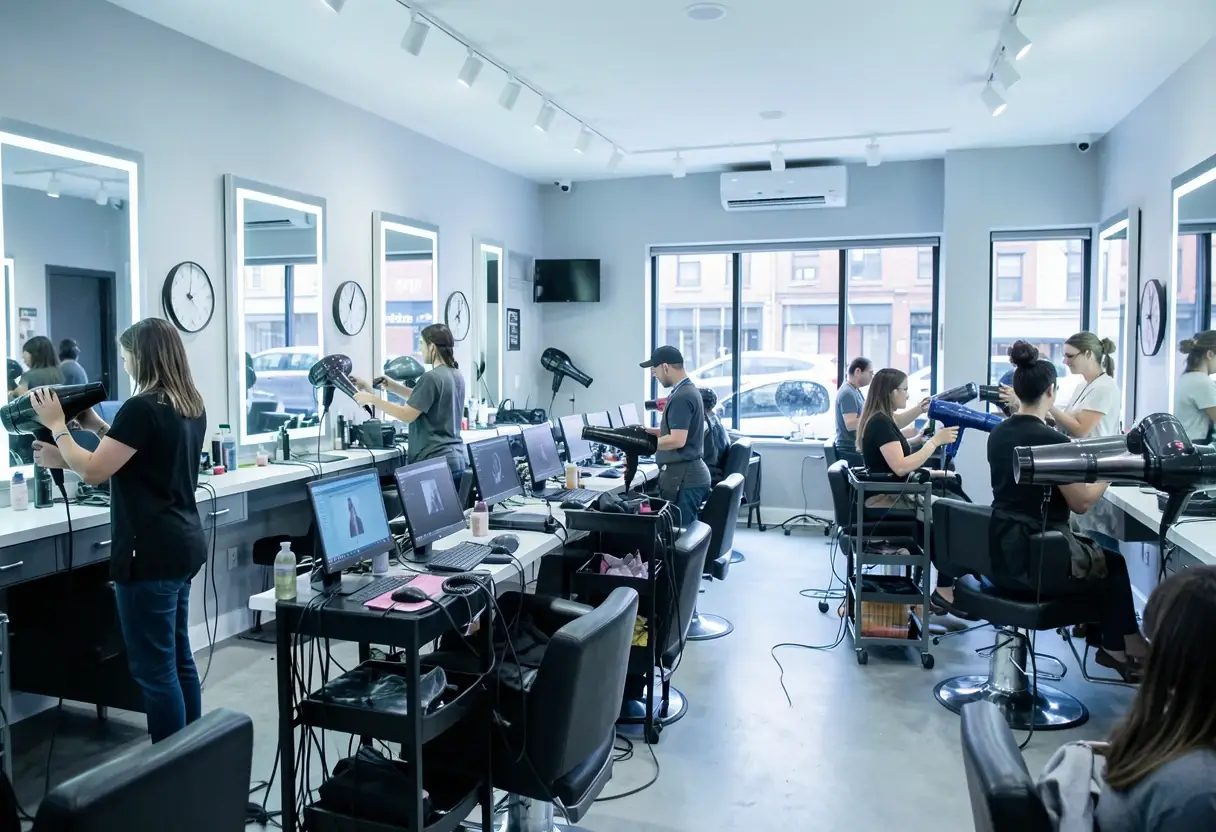
DryBar achieved a 5.2-times return on investment (ROI) across 14 smaller activations in 2026, exceeding its goal of three to four times the amount spent, the brand said.
Those 14 activations (branded marketing events) included three partnerships and three larger community events, DryBar said. The company reported $300,000 in earned media value (a valuation of media exposure) for the wider program. The Buttercup Pro launch produced $350,000 alone. DryBar said those values represented a 28% year-over-year increase in earned media value.
Why did DryBar switch to smaller events?
Director of Brand Marketing Margaux Mahoney said DryBar had moved away from one large annual activation toward more frequent, lower-budget consumer events. She said: “We wanted to take the approach of this scrappy, social-first approach that we could do a lot more little versus having one big event one time a year.”
The shift followed three to four quieter years focused mainly on influencers and press, Mahoney said. She described 2026 as a response to a crowded beauty market and consumers’ changing shopping locations. DryBar leadership and salon partners supported the risk, she said. Mahoney said the strategy centered on “relevance,” “showing up” and “collabing for cool.”
Mahoney said the small team handled much of the production in-house rather than outsourcing it. Her account links the higher ROI to spending control and more frequent consumer contact. She said the earlier formats produced learning about what worked and what did not, which informed the New York City launch.
What did the Buttercup Pro launch achieve?
DryBar debuted the Buttercup Pro at a pop-up salon (a temporary store) in New York City. The launch marked the first update to a DryBar blow dryer in 10 years, the brand said. The event hosted 1,500 consumers, media members and influencers. Of those attendees, 100 won the blow dryer or other DryBar products.
DryBar collected attendees’ email addresses. The opt-in rate remained strong one month later, Mahoney said. New York City offered heavy foot traffic, an influencer base and a large concentration of existing customers, she said. The prior year’s learning also helped make the city the right setting for the flagship launch.
Why did product trial matter?
Mahoney said consumers face a major purchase barrier when they cannot try DryBar liquids or tools in real use. Putting a product in their hair, switching it on and understanding its daily use can address that barrier, she said. Hands-on sampling (a product trial) and a live conversation with staff help the process. In Mahoney’s account, the pop-up served as both an education and trial channel, not only a media event.
Which partnerships powered the program?
Mahoney identified the 2026 collaboration sequence:
- DryBar worked with Pop-Up Workouts on joint pop-ups across different college campuses, beginning early in the year.
- Stacked Mats joined DryBar for a New York City event that Mahoney characterized as more influencer-focused than a pop-up.
- DryBar staged a Boston pop-up with a local ice cream shop.
- The Buttercup Pro salon became the larger pop-up after the earlier events built awareness.
Mahoney said the sequence helped DryBar understand where consumers wanted to meet the brand. She also said the company would stage more pop-ups after spending the previous three to four years mainly on influencers and press.
How did Helen of Troy support the model?
Chief Marketer reported that Helen of Troy owns DryBar and licenses the salons to WellBiz, a beauty and fitness franchise operator. Helen also owns brands including Vicks, Revlon and Honeywell, Chief Marketer said.
Mahoney said Helen gives her four-person team access to resources and economies of scale. She contrasted those resources with startups she worked for that had one or two people. The team maintained a resource-light, startup-style mentality inside a larger corporate structure, supported by Helen’s leadership and DryBar’s salon partners, Mahoney said.
Mahoney valued the stability of a larger employer as a mother of two. She also said Helen gave her the ambiguity and runway to act. She named Revlon Tools, Hot Tools, Curlsmith, and the group’s home, outdoor and wellness brands. Those relationships can support giveaways, product development, shared consumer-goods systems and cross-brand innovation, she said.
What changes in 2027?
Mahoney said: “Yes, but in a bigger and bolder way.” DryBar will build on the 2026 foundation, meet consumers where they shop and reinforce its right to win (a defensible reason for consumers to choose it) through an ecosystem of salons, liquids and tools, she said. The approach also grew awareness and reconnected the brand with its community.
The practical test for 2027 is whether DryBar can expand the format without losing the spending discipline behind the 5.2-times return. That test follows directly from Mahoney’s plan to scale the social-first approach in bigger and bolder ways.
via chiefmarketer.com (Source)
More from Elena Vasquez
Show full bio
Senior reporter covering technology and product news in marketing, advertising, marketing technology, media, SEO and search at Marketing Herald.
398 articles