MH-2645Retail Media & Commerce
DoorDash's $17 Billion Instacart Bid Redraws the Quick Commerce Map
DoorDash's proposed $17 billion Instacart acquisition would control 77% of U.S. delivery spending, pressuring Uber and accelerating the race with Amazon on fast delivery.
Wire notes
- DoorDash proposed acquiring Instacart for $17 billion; the combined company would hold 77% of U.S. delivery platform spending per Consumer Edge.
- DoorDash revenue grew nearly 28% between 2024 and 2025, while Instacart's spending share fell from 26% to 18% over five years.
- Amazon launched Amazon Now in May with 30-minute delivery in dozens of U.S. cities, plus one-hour delivery in hundreds of cities from March.
- Uber announced in July its intent to acquire Germany's Delivery Hero for $15 billion.
- Amazon and DoorDash are converging on sub-hour delivery, the segment Amazon has targeted this year.
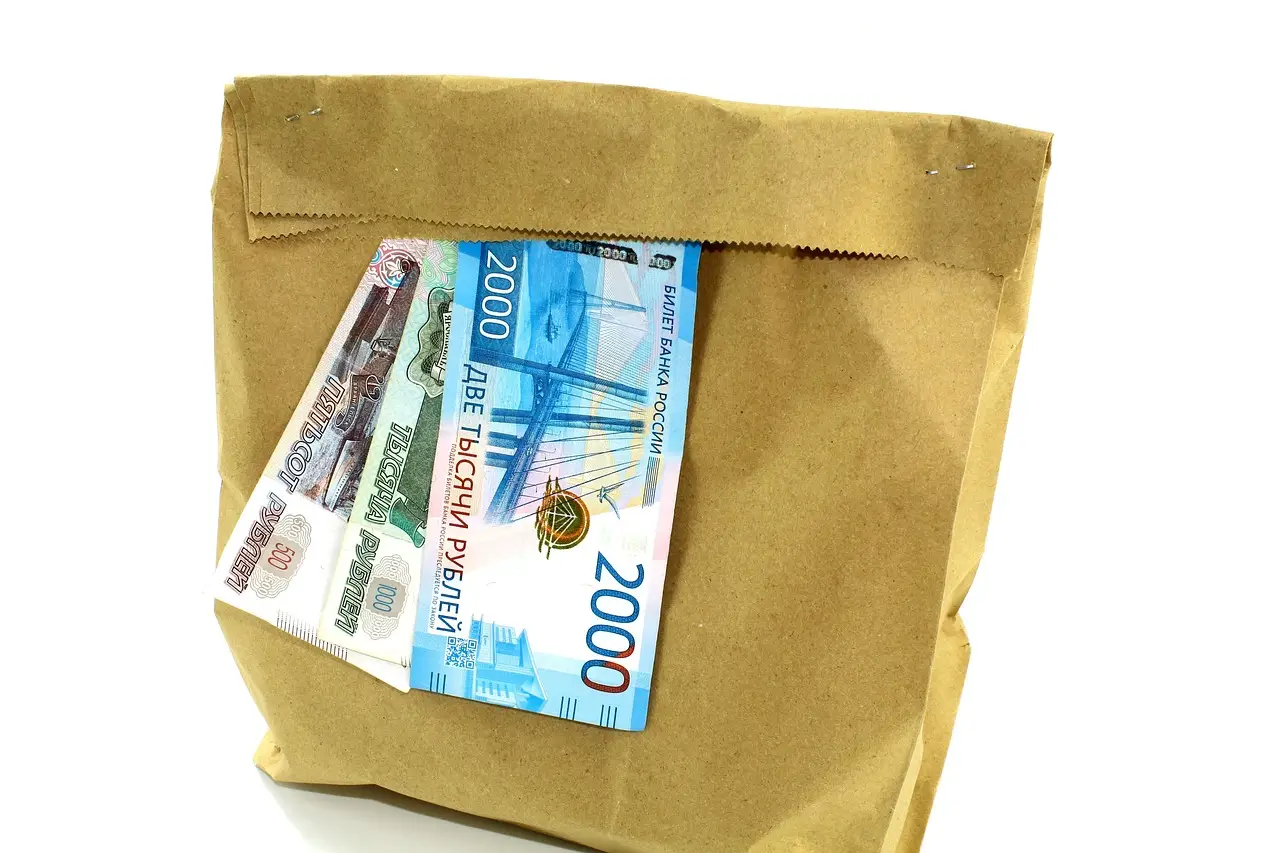
DoorDash has proposed acquiring Instacart for $17 billion, a deal that would combine two platforms accounting for 77% of consumer spending on U.S. delivery platforms, according to market research company Consumer Edge. The announcement landed last week and immediately reframed the competition among Uber, Amazon and every player chasing fast delivery.
The transaction, if approved, would unite the market leader in restaurant delivery with the leading grocery delivery platform. It also raises antitrust questions that DoorDash has moved early to answer.
Why is DoorDash buying growth it already has?
DoorDash does not need Instacart to grow. Its revenue grew nearly 24% between 2023 and 2024, and nearly 28% between 2024 and 2025, as it expanded beyond restaurants into apparel retail and its owned delivery-only convenience store, DashMart.
Uber Eats, by contrast, has held its share of U.S. delivery platform spending steady at just under 20% for five years, Consumer Edge data shows. Instacart's share fell from 26% to 18% over the same period.
The motive, some analysts say, is Amazon. "Amazon is moving toward delivering things faster and faster," said John Harmon, managing director of technology research at Coresight Research.
Amazon built its Prime membership around two-day shipping. This year it pushed hard into faster windows. In May, it launched Amazon Now, now live in dozens of major U.S. cities, promising delivery of thousands of goods, from groceries to household essentials, in 30 minutes or less. In March, it launched one-hour delivery in hundreds of cities.
The risk for DoorDash is brand association. Amazon could become synonymous with 30-minute delivery the way it owns two-day shipping in consumers' minds.
How does DoorDash frame the deal for regulators?
DoorDash dedicated much of its acquisition press release to local stores. The argument: a combined company could offer grocers and restaurants technology and fulfillment services they could not afford to build themselves.
The press release listed concrete benefits:
- More grocers could deploy Instacart's technology to run their own websites and retail media networks, "bringing them more sales and advertising revenue."
- Brands would gain a scaled alternative for reaching customers online.
- Grocers could add online-order capacity through DoorDash's DashMart fulfillment services, with faster, more accurate and affordable delivery.
The local-store framing may also ease antitrust concerns. A company controlling more than three-quarters of U.S. delivery platform spending will attract scrutiny.
What happens to Uber?
Uber now faces two of its most formidable U.S. competitors operating as one. Its answers lie abroad and in its own balance sheet.
In July, Uber announced its intent to acquire Germany's Delivery Hero for $15 billion, a deal that per Reuters would "create the largest food-delivery group outside of China."
Uber also holds one asset DoorDash lacks: ridesharing. It has invested heavily in autonomous vehicles and its paid subscription service, Uber One, both of which improve ridesharing margins.
What does the deal mean for advertisers?
For retail media (the sale of ad inventory on commerce platforms using shopper data), the merger creates a data consolidation play. Restaurant delivery orders, Instacart grocery orders and more could sit in one place, allowing more granular targeting across purchasing occasions.
"If someone is exposed to an ad on DoorDash but then made a purchase through Instacart at a respective grocery or retail location, that allows more measured outcomes that can be proved," said Greg Carlucci, senior director analyst at Gartner.
Uber retains one targeting edge. Advertisers can reach consumers while they book rides, opening moments like travel and vacation that a combined DoorDash-Instacart platform cannot easily match.
The broader picture
The moves by DoorDash, Uber and Amazon show how lucrative last-mile delivery (the final leg of getting goods to the customer) has become, as players race to add services and capture more of customers' wallets.
"Last-mile delivery is [kind] of the last frontier where it controls a lot of additional transactions," Carlucci said.
If regulators clear the $17 billion deal, advertisers gain a unified data platform spanning restaurants and groceries, Amazon gains a direct rival in sub-hour delivery, and Uber must fight on two fronts with a $15 billion war chest of its own.
via ir.doordash.com (Original)
More from Elena Vasquez
Show full bio
Senior reporter covering technology and product news in marketing, advertising, marketing technology, media, SEO and search at Marketing Herald.
206 articles
More on the wire
- DoorDash to Acquire Instacart in $17 Billion Grocery Delivery Deal
- DoorDash Buys Instacart at $17 Billion as Retail Media Consolidates
- Macy's Goes Consumer-Facing With DoorDash as Retail Media Deals Blur Lines
- DoorDash Buys Instacart as Stagwell Picks Up Freestar in Weekly M&A
- Costco Rolls Out Nationwide Delivery via Uber and DoorDash