MH-4766Retail Media & Commerce
Brazilian Retailers Beat the Dollar, but Cod and Wine Still Cost More
Cod wholesale prices jumped 25% ahead of Christmas, but Brazilian retailer Casas Pedro will pass on only 5% after direct negotiation with Norwegian suppliers.
Wire notes
- Cod wholesale prices rose 25% year on year; Casas Pedro will pass on only a 5% increase.
- El Niño-driven harvest failures in Argentina and Chile raised wine and raisin import costs by about 20%.
- Olive oil prices fell 15.4% in the 12 months through September per the IPCA.
- Only 10% of Portuguese chestnut orders will ship by air, which costs up to three times sea freight.
- CNC economist Fábio Bentes expects above-average Christmas consumption as default rates fall.
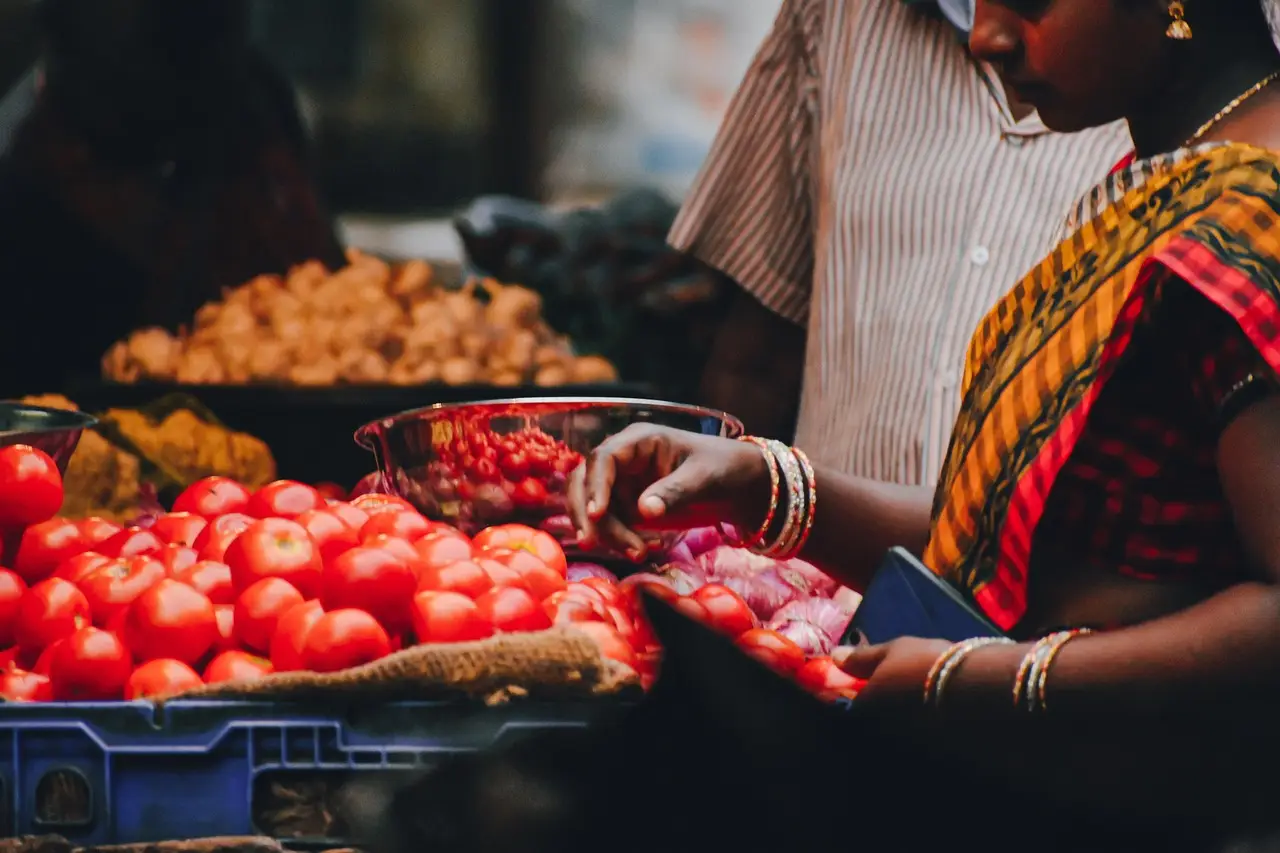
Cod wholesale prices rose 25% ahead of this Christmas, yet Brazilian delicatessen chain Casas Pedro will pass only 5% of that increase on to shoppers. The gap is the result of an aggressive retail strategy: earlier purchasing, direct negotiation with foreign suppliers and a willingness to trade down on logistics to protect the Christmas table from Brazil's currency volatility.
Why did retailers buy early this year?
Economic uncertainty in Brazil and abroad pushed supermarkets and delicatessens to intensify a strategy of anticipating purchases of classic Christmas products, according to the source report. Two pressures drove the shift. The exchange rate swings make imported goods harder to price. International freight costs more because fuel prices surged and shipping restrictions hit the Middle East amid the war involving the US, Israel and Iran.
Some items cannot escape repricing. Cod and wine, centerpieces of Brazilian Christmas suppers, should get more expensive on shelves, also because of harvest failures and fishing restrictions.
How did one chain tackle cod?
Casas Pedro, a Rio de Janeiro delicatessen network, sent what it called an expedition to Norway to negotiate face to face with suppliers. Ana Patrícia Salem, the chain's planning and purchasing manager, said the trip produced slightly better conditions despite headwinds: Norway enforces fishing quotas tied to closed seasons, and the fish moved farther off the coast in search of colder waters.
She said: "A negociação estava mais difícil do que em outros anos, mas optamos por não repassar o total do aumento nos custos. Vamos repassar só 5%."
What hit wine, raisins and chestnuts?
El Niño (a climate pattern marked by warming Pacific waters) damaged grape harvests in Argentina and Chile, key suppliers. That lifted import costs for wine and raisin derivatives by roughly 20%, Salem explained.
For Portuguese chestnuts, the chain originally planned air freight to stock stores early. Air transport costs up to three times more than sea freight, so the plan changed: only 10% of orders will travel by air to keep prices down for consumers.
Will shoppers trade down?
Casas Pedro expects sales above last year's level in both revenue and volume, Salem said. But the group's own consumer research shows a shift toward cheaper alternatives.
She described the pattern: the customer buys nuts in shell because they cost less, takes smaller quantities of chestnuts, and swaps premium Gadus Morhua cod for the cheaper Imperial grade. "Mantém-se o perfil de compra, mas com um gasto menor."
What cushions the Christmas bill?
Fábio Bentes, senior economist at the Confederation of Trade in Goods, Services and Tourism (CNC), sees a positive retail outlook despite exchange-rate and freight uncertainty. Household income is rising, and family indebtedness and default rates, though still high, are falling gradually, according to CNC research.
He said the scenario could favor year-end food sales and give retail some breathing room as defaults decline.
Olive oil, the villain of recent years, has become a relief valve. Prices fell 15.4% in the 12 months through September, according to the IPCA, Brazil's official price index calculated by the IBGE statistics agency. Casas Pedro extended its European trip and signed a Spanish supplier; the oil arrives under the group's own brand at 10% below traditional market brands.
Domestic production helps too. Alex Ribeiro, commercial director of GPA, which controls the Pão de Açúcar and Extra chains, said fruit harvests are good despite El Niño fears and supply should be abundant. Pork cuts such as pernil and tender, plus Christmas poultry, arrive without significant cost pressure.
Bruno Imaizumi, economist at consultancy 4intelligence, added two further tailwinds: the Bolsa Família benefit increase in force since October and the ban on sports betting sites. Part of that freed-up income, he said, may migrate into food consumption — a signal retailers will watch as the holiday season unfolds.
via oglobo.com (Source)
More from Elena Vasquez
Show full bio
Senior reporter covering technology and product news in marketing, advertising, marketing technology, media, SEO and search at Marketing Herald.
256 articles
More on the wire
- Holiday Retailers Face $1 Trillion Test: Fix the Store Experience
- Adobe Data: Americans Will Use Black Friday to Stock Up on Basics
- Adobe Forecasts U.S. Online Holiday Spend to Exceed $275 Billion
- Toy Prices Climbed 4.2% in September as Holiday Season Nears
- Black Friday set to bring R$17 billion in Brazilian sales