MH-4875
Apple to Face Paris Trial in 2027 Over iPhone Planned Obsolescence
Apple will stand trial in Paris in June 2027 over alleged planned obsolescence, accused of blocking third-party iPhone repairs to protect revenue.
Wire notes
- Apple faces trial in Paris starting June 17, 2027, over planned obsolescence charges.
- Prosecutors allege Apple blocked third-party iPhone repairs from November 2021 to July 2024.
- HOP filed the original complaint on December 7, 2022.
- Apple's annual revenue exceeds $400 billion, half from iPhone sales.
- Apple told AFP: 'We vehemently reject these unfounded accusations.'
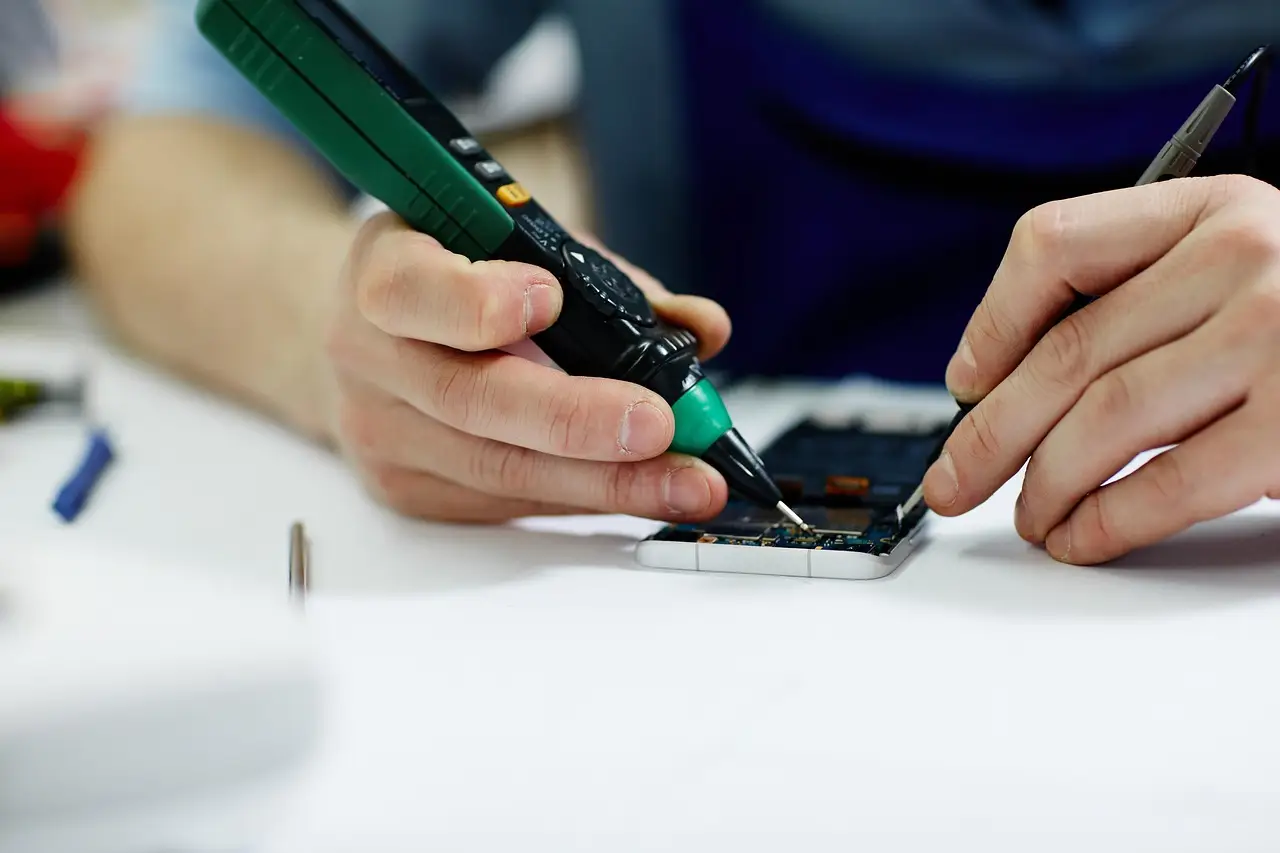
Apple will stand trial in Paris in June 2027 on charges of planned obsolescence, accused of blocking repairs of several iPhone models outside its authorized stores, according to a source close to the case cited by AFP.
The proceedings are unprecedented. The association Halte à l'Obsolescence Programmée (HOP), which filed the original complaint on December 7, 2022, said these legal actions against the American giant for "dificultar o reparo e o recondicionamento" — making repair and refurbishment difficult — are the first of their kind.
Apple rejects the case outright. "Rejeitamos veementemente essas acusações infundadas," the company said in a statement to AFP, which translates as: "We vehemently reject these unfounded accusations."
What is planned obsolescence?
Planned obsolescence is a deliberate attempt to shorten the useful life of technology products, forcing consumers to discard and replace them more frequently. France criminalized the practice, and the Paris case will test that law against one of the world's largest companies.
What does the prosecution allege?
Prosecutors have summoned two entities to appear: Apple Distribution International and Apple Inc., the parent company. The hearing is scheduled over four days starting June 17, 2027, according to the source close to the case.
The charges cover a specific window: more than two and a half years, from November 2021 to July 2024. During that period, Apple allegedly configured its smartphone software to make "tornar impossível o reparo ou recondicionamento [...] fora de seus canais autorizados" — repair or refurbishment impossible outside its authorized channels.
The alleged mechanism is precise. Apple engineers configured the operating system to check the serial numbers of components, the source said. If a repair was performed outside the official network, the system deactivated certain functions of the device.
Why would Apple do this?
The prosecution's theory rests on revenue. The alleged goal was to boost sales of Apple's flagship product. The company's annual revenue currently exceeds $400 billion (roughly 2.31 trillion reais), and half of that comes from iPhone sales, according to the figures cited in the case.
That scale explains the stakes of the trial. A conviction in France could set a precedent for repair-restriction cases across Europe, where regulators have already pushed legislation on the "right to repair" (a legal framework guaranteeing consumers' ability to fix products they own).
What happens next?
The trial opens on June 17, 2027, before the Paris tribunal. HOP, the plaintiff association behind the December 2022 complaint, will press its argument that Apple's software restrictions amounted to a criminal scheme. Apple, for its part, maintains the accusations are baseless — and the outcome will test whether software-based repair locks fall under France's planned obsolescence law.
via oglobo.com (Source)
More from Elena Vasquez
Show full bio
Senior reporter covering technology and product news in marketing, advertising, marketing technology, media, SEO and search at Marketing Herald.
326 articles