PR & Comms
Communicators Face Post-Midterm Reputation Risks: Four Moves
APCO's Mara Hedgecoth says 72% of Americans respect firms that hold firm under political pressure. She outlines four ways comms teams can prepare for post-midterm reputation risks.
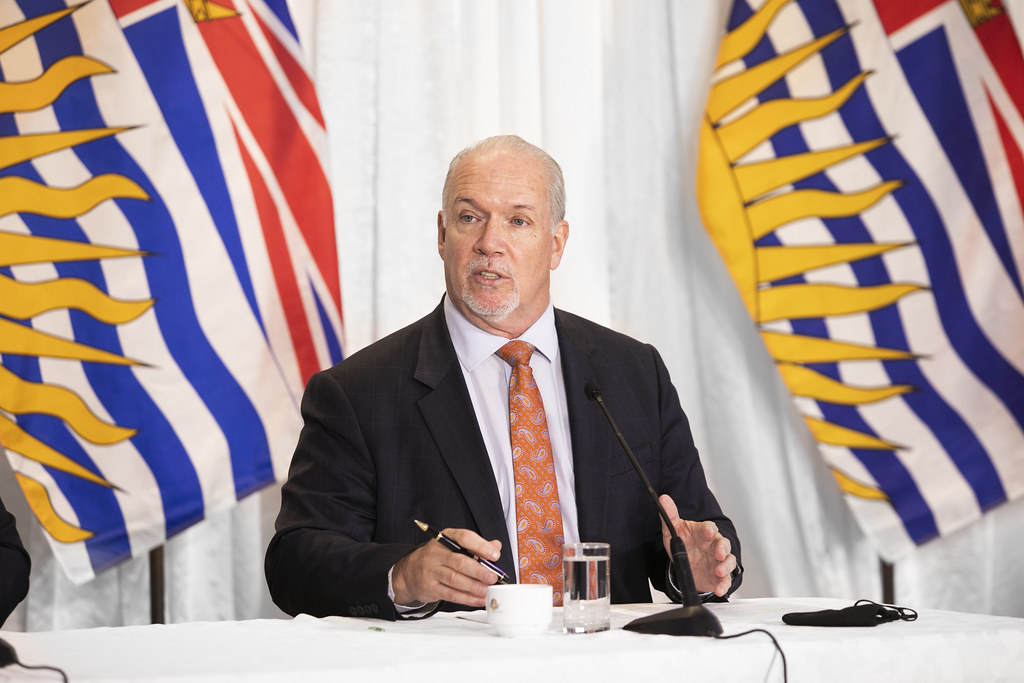
Stakeholders no longer tolerate "performative" corporate responses, and the 2026 midterms could intensify political pressure on companies. Mara Hedgecoth, chief communications and marketing officer at APCO, expects the election to accelerate a years-long shift in what employees, customers and investors expect from brands, especially where business and politics overlap.
"Regulation moves on its own timeline and pressure to speak publicly ebbs and flows with the news cycle, but what employees, customers and investors expect from a company has been shifting for years, and midterms tend to accelerate that shift," Hedgecoth said.
She laid out four priorities for communications teams.
1. Know when an issue becomes a business problem
Communicators need clear signals that a political debate has turned into a reputational or operational risk. Hedgecoth points to changes in employee questions, customer behavior, market value and online conversations about the brand as key indicators. One signal alone may justify a wait-and-watch approach. Several appearing together demand a larger response.
"More than one happening at the same time means you're no longer in 'monitor' mode," she said.
Another warning sign: a widening gap between what a company says and what stakeholders believe it actually does. Rather than waiting for leaders to request a response, communicators should bring stakeholder sentiment, media coverage and reputation concerns into decision-making early through frequent check-ins.
"The goal is to catch those signals early, before the organization gets forced into a reactive position," Hedgecoth said.
2. Don't let the loudest stakeholder decide
Political issues often pull different audiences in opposite directions. Employees may expect one response while customers and policymakers want another. Companies risk prioritizing whichever group applies the most pressure.
"It shouldn't turn into a contest over which group is loudest," she said.
Leaders should instead determine what is materially at risk and make a decision they can explain consistently across audiences. Not everyone has to like the answer, but the organization must clearly justify the choice and connect it to its business, values and long-term strategy.
3. Rethink how you respond
Companies have already grown more selective about weighing in on political and social issues, and Hedgecoth doesn't see that trend fading. The question is no longer whether to speak, but how.
"There is much less appetite for commentary that appears performative," she said.
APCO's 2026 Pulse Check survey found that 72% of Americans respect companies that maintained their existing practices and commitments despite political pressure. Consistency, in other words, beats issuing statements on every hot-button issue.
Hedgecoth recommends evaluating each situation against three criteria: relevance (is it connected to the company's business, values, employees or customers?), credibility (does the organization have a legitimate role to play?) and impact (will speaking actually accomplish anything?).
Sometimes the right response should stay out of public view. "Sometimes listening, supporting employees internally or engaging policymakers directly is the more effective move than a public statement," she said.
When a company does speak publicly, words alone won't suffice. "If you do decide to speak, you need to be ready to explain what you're doing about it, not just what you believe," Hedgecoth said.
4. Build the response process before you need it
Preparation should focus less on predicting which political issue will dominate after the election and more on speeding up internal decision-making. The traditional model—government relations, legal, HR and communications each assessing an issue separately before convening—is usually too slow, Hedgecoth said.
"By the time those teams get in the same room, the external conversation has often already moved on," she said.
Organizations should establish in advance who monitors emerging issues, who needs consulting, who decides whether to respond and who gives final approval. Breaking down those silos will become critical as companies face divergent federal and state policy developments around AI, data privacy and labor.
"The most valuable preparation isn't predicting the next issue," Hedgecoth said. "It's making sure the organization can make a thoughtful decision quickly once that issue, wherever it comes from, actually arrives."
Source: PR Daily (https://www.prdaily.com/4-ways-communicators-can-prepare-for-post-midterm-reputation-risks/) / Source: apcoworldwide.com (https://apcoworldwide.com/)
Source: PR Daily; Source: apcoworldwide.com